Melting Permafrost Is Poisoning Rivers With Metal Levels 70 Times Higher Than Normal - ScienceAlert
This story deserves to be shared
Send it to someone who'd care, or post it on your networks.
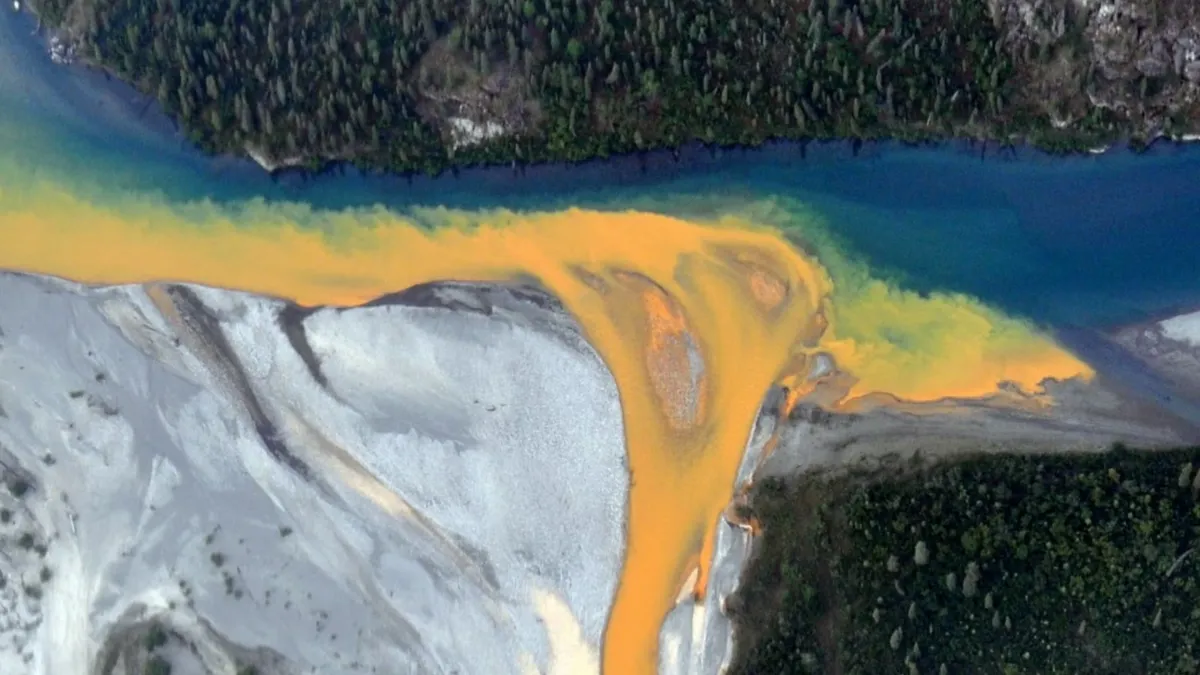
Over the past decade, a network of usually pristine blue rivers and lakes that winds through Alaska's breathtaking Brooks Range mountains has been starting to look a little… rusty. Scientists first noticed the unusual orange plumes flowing into the water back in 2018. They began to investigate, collecting water samples from various sites so remote they can only be accessed by helicopter – but at the time, they were only able to get a snapshot of what was going on. "The more we flew around, we started noticing more and more orange rivers and streams," said ecologist Jon O'Donnell, of the US National Park Service. "There are certain sites that look almost like a milky orange juice. "Taylor Evinger holds a bottle of orange water sampled from the Igning River in Gates of the Arctic National Park and Preserve in Alaska. (Brett Poulin/UC Davis)Environmental toxicologist Brett Poulin (of UC Davis) was intrigued at how similar the orange staining looked to the acidic pollution he had seen draining from metal mines.
This article is an excerpt. To read the full content, visit the original source. ScienceAlert
Related articles
Human teeth pinpoint when lead began poisoning medieval town - Popular Science
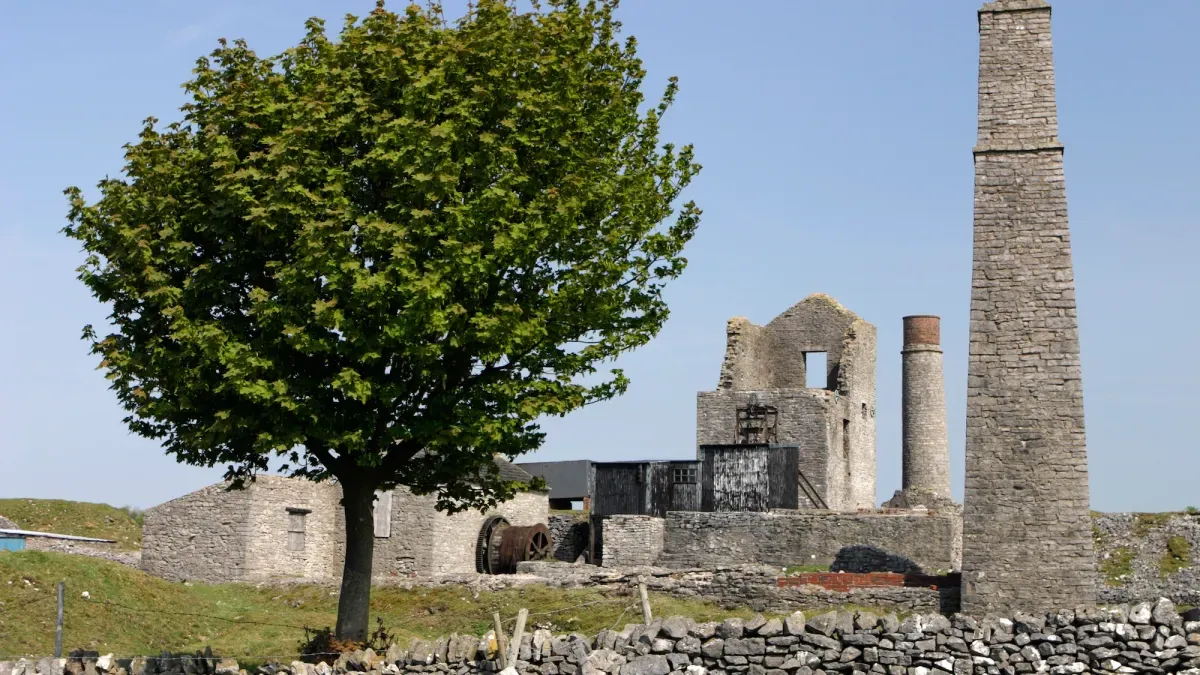
Lead mining began during the 7th century in Derbyshire, England. Magpie Mine was the last facility to operate in the region. It opened in 1735 and finally closed in 1954. Thanks to some medieval human teeth, archaeologists have pinpointed when lead production first expanded across Europe during the Middle Ages. By examining dental enamel collected from graves located in central England, researchers now know the post-Roman society started mining and smelting again during the mid-7th century. As the team explains in a study published today in the journal Antiquity, the consequences of exposure to the toxic were stark—but distributed unequally among locals.
0 comments
No comments yet. Be the first to share your thoughts!