Let’s debate ethical dilemmas taking place in high school sports - Los Angeles Times
This story deserves to be shared
Send it to someone who'd care, or post it on your networks.

There are so many ethical dilemmas in high school sports that earning a teaching credential or gaining life experiences from participating in sports won’t always provide a clear path on how to proceed. And when you bring in rules and regulations set forth by the California Interscholastic Federation, the state’s governing body for high school sports, everyone has an opinion or complaint — especially when there is a perception of inconsistency in how punishment for a rule violation is assessed. It really comes down to how coaches hold themselves accountable and what a principal believes in supporting. For example, some principals have dismissed coaches for using profanity. Others do nothing. Here are some of the ethical questions administrators, coaches, parents and players now face:If cheating is wrong, how come so many cheat? Should a player who transfers and has superior talent immediately get to start over a player who has been in the program for three years busting his butt? How do you figure out when it’s OK to share playing time at quarterback if you have two good players or even three? When is it OK for a parent to ask about their son‘s or daughter’s playing time, if ever?
This article is an excerpt. To read the full content, visit the original source. Los Angeles Times
Related articles
Embryo gene editing: How safe and ethical is the practice? | Podcast - Euronews.com
In the summer of 2026, two studies revived the debate on embryo gene editing, a technique that consists of manipulating the DNA of a human embryo for reasons ranging from better understanding human development to preventing children from developing certain diseases. One study was led by Kathy Niakan at Cambridge University in the United Kingdom, and the other by Dieter Egli at Columbia University in the United States.
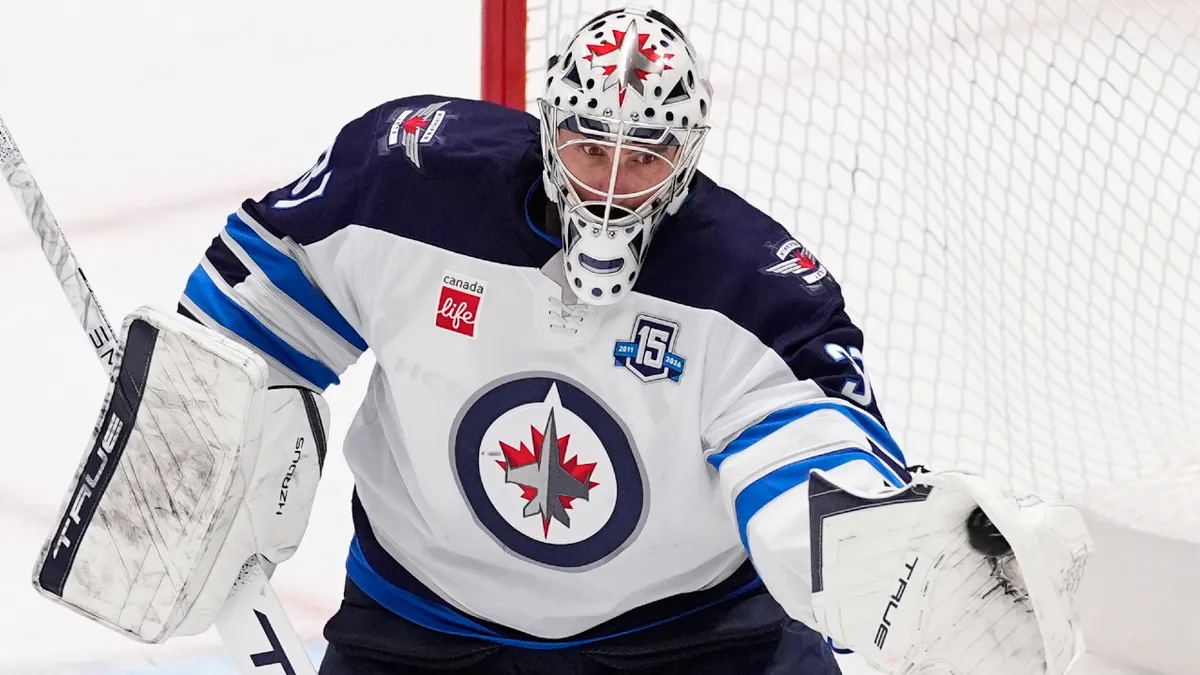
Sources: Connor Hellebuyck suspension ends Friday - Sportsnet.ca
Connor Hellebuyck's suspension will come to an end on Friday. Elliotte Friedman has the story.

0 comments
No comments yet. Be the first to share your thoughts!