Kerr breaks world mile record with 3:42.66 in London - worldathletics.org
This story deserves to be shared
Send it to someone who'd care, or post it on your networks.
This article is an excerpt. To read the full content, visit the original source. worldathletics.org
Related articles
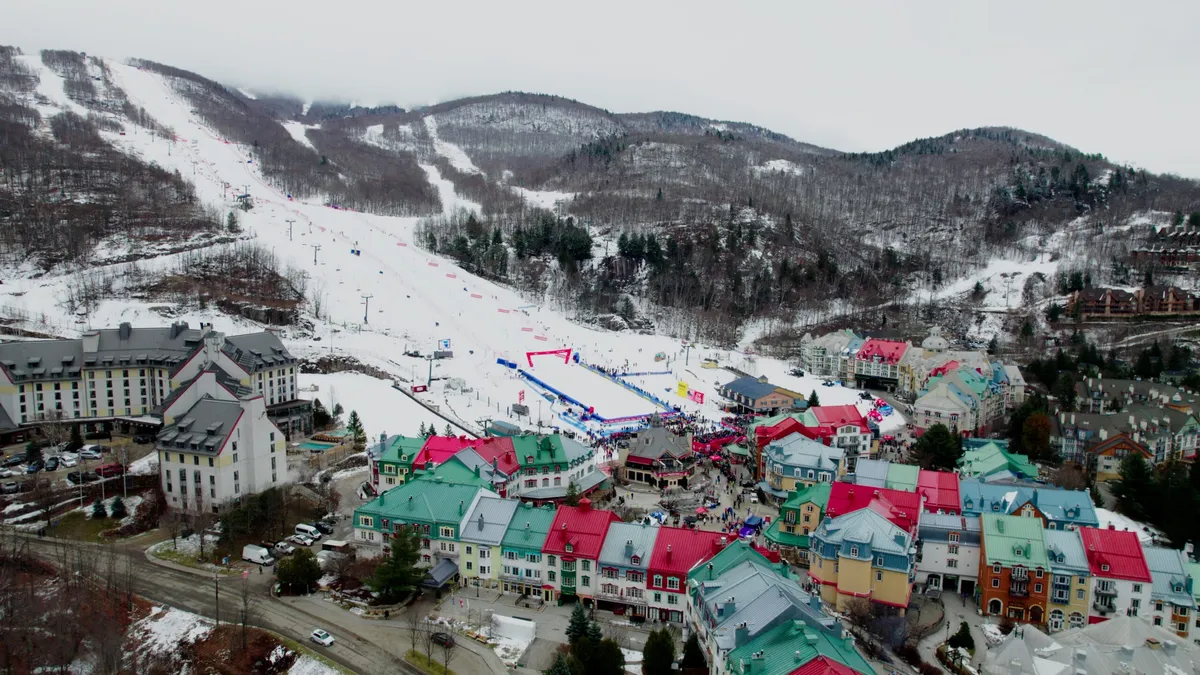
Why the Flying Mile? Inside the PwC Tremblant World Cup Course - Coupe du monde Tremblant PwC
From the steep pitches at the top to the final push toward the finish, the Flying Mile asks athletes to adapt throughout their run. Its combination of technical terrain, speed and a finish surrounded by spectators makes it a natural stage for World Cup giant slalom racing. Let’s Break Down the Flying MileA giant slalom run on the Flying Mile is not the same from top to bottom. The terrain changes along the way, and each section brings its own challenge. For the athletes, the key is knowing when to attack, when to preserve speed and when to give it everything on the way to the finish. The Top: Precision Comes FirstThe race begins on some of the most demanding terrain of the Flying Mile. The upper pitches are steep and technical, with changes in angle that require athletes to be precise with their line and timing through the gates. A small mistake can quickly cost speed, making clean turns and control essential from the very first gates. The challenge is also about setting up the rest of the run. Athletes need to attack the steep section while building enough speed and momentum to carry into the flatter terrain below.
0 comments
No comments yet. Be the first to share your thoughts!