'Just stop burning fossil fuels.' Scientists stress that our smoky skies have only one true fix - CBC
This story deserves to be shared
Send it to someone who'd care, or post it on your networks.
This article is an excerpt. To read the full content, visit the original source. CBC
Related articles
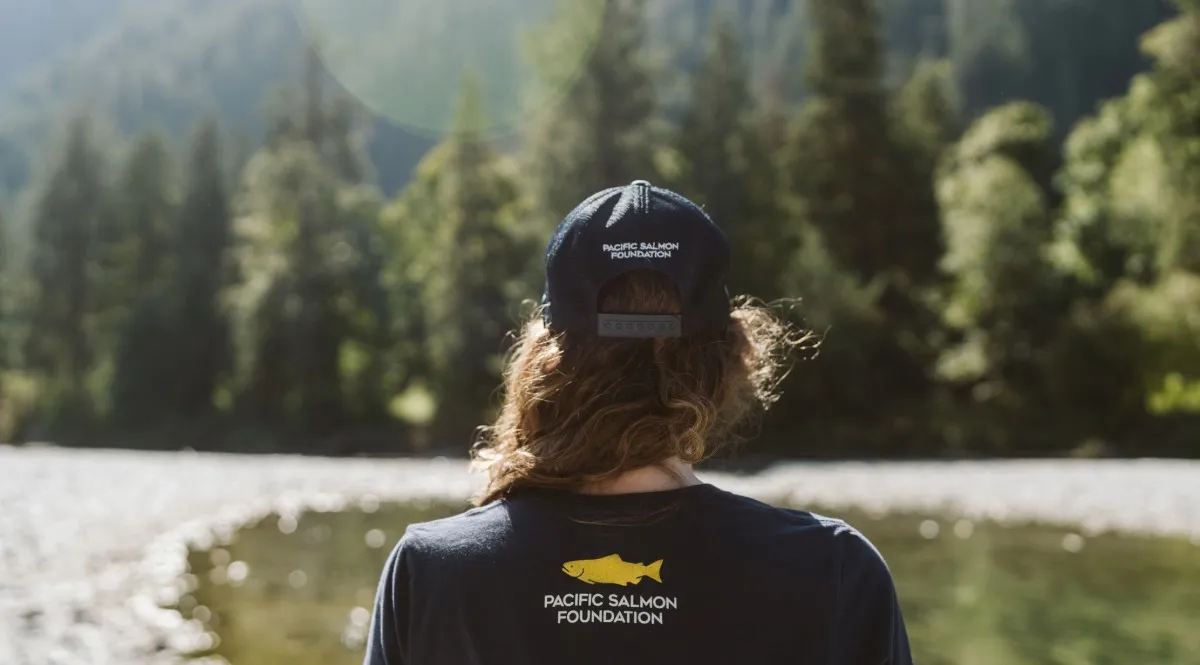
Pacific Salmon Foundation Study Fuels Fresh Alarm With Shaky Science - Sea West News
A new Pacific Salmon Foundation study shows how disputed findings can be turned into alarming headlines, fuelling the “scientific uncertainty” activists need to kill British Columbia’s ocean salmon farming sector. AnalysisBy Fabian DawsonSeaWestNewsThere is a simple way to make almost any industry look dangerous. Start with something that might pose a risk, present it as evidence of a wider threat, emphasize what scientists still don’t know, then argue that because nobody can prove there is zero risk, government must act before it is too late. That approach became deeply embedded in the Trudeau government’s handling of the B. C. salmon farming file because it also worked politically. It allowed the former government to harvest activist votes while using “scientific uncertainty” to support policy decisions that went well beyond what its own federal science reviews supported. The result was the Trudeau-era decision to end conventional ocean salmon farming in B. C. by 2029, despite federal assessments that had concluded ocean salmon farms posed no more than minimal risk to wild stocks.
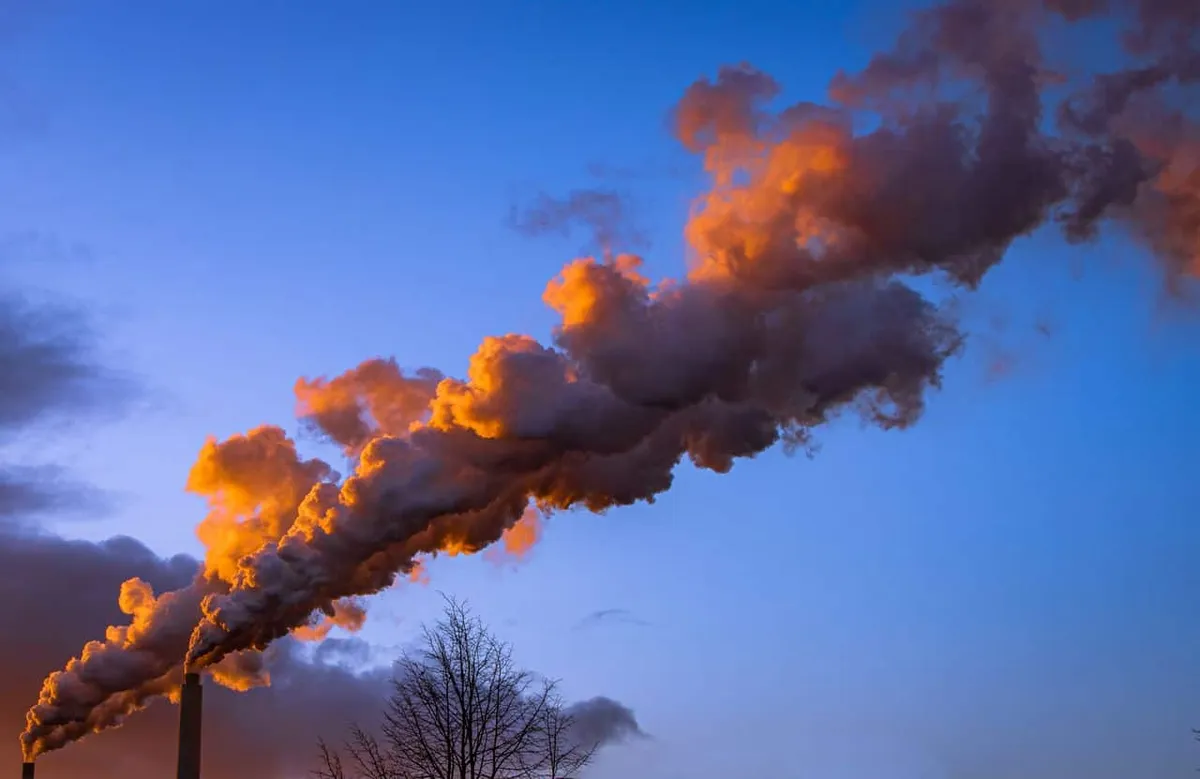
The World’s Biggest Emitters Could Stop Burning Fossil Fuels Tomorrow and Their Warming Would Still Last Until 2500 - ZME Science
The smokestacks can stop. The oil wells can close. But the warming will persist for decades. A new study suggests that carbon dioxide released by the world’s biggest fossil-fuel and cement producers will continue keeping the planet warmer for centuries, even in a future in which humanity sharply cuts emissions. Researchers estimate that historical emissions linked to 178 “Carbon Majors” were responsible for about 0.66° Celsius of warming by 2025. In their lowest-emissions scenario, roughly 0.45° of that warming was still present in the year 2500.
The Santa Barbara Botanic Garden is Burning Plants — For Science - The Santa Barbara Independent

SpaceX Sent 6,300 Pounds to the Space Station. The Strangest Cargo Was Grown in a Lab - Inc.com
The spacecraft delivered materials and equipment for new research studies to the station.

Ancient mud reveals a surprising secret about Greenland’s ice - Earth.com
Mud from a fjord shows an Atlantic air pattern brought wetter, colder spells to southern Greenland, a clue to how its ice may fare. Greenland’s ice is shrinking as the planet warms. But in the island’s southwest, rainfall and snowfall have been influenced by the same North Atlantic air-pressure pattern for at least 5,000 years. When that pattern tipped one way, the region turned wetter and colder. The record comes from mud on the floor of a Greenland fjord, and it suggests snowfall, not only temperature, shaped how the area’s ice grew and shrank. It doesn’t yet show how glaciers there will respond to the warming ahead. Johan Faust, a researcher at MARUM, the Center for Marine Environmental Sciences at the University of Bremen in Germany, led the work with colleagues in Germany, Norway, Denmark and Canada. A seesaw in the airThe pattern is called the North Atlantic Oscillation. It’s the difference in air pressure between a low that sits near Iceland and a high near the Azores, and it’s strongest in winter. When that difference is large, the pattern is in its positive phase. Northwestern Europe and southwestern Greenland both get more rain and snow.
0 comments
No comments yet. Be the first to share your thoughts!