Is It Treason to Ask America to Help Break Up Canada? - The Walrus
This story deserves to be shared
Send it to someone who'd care, or post it on your networks.
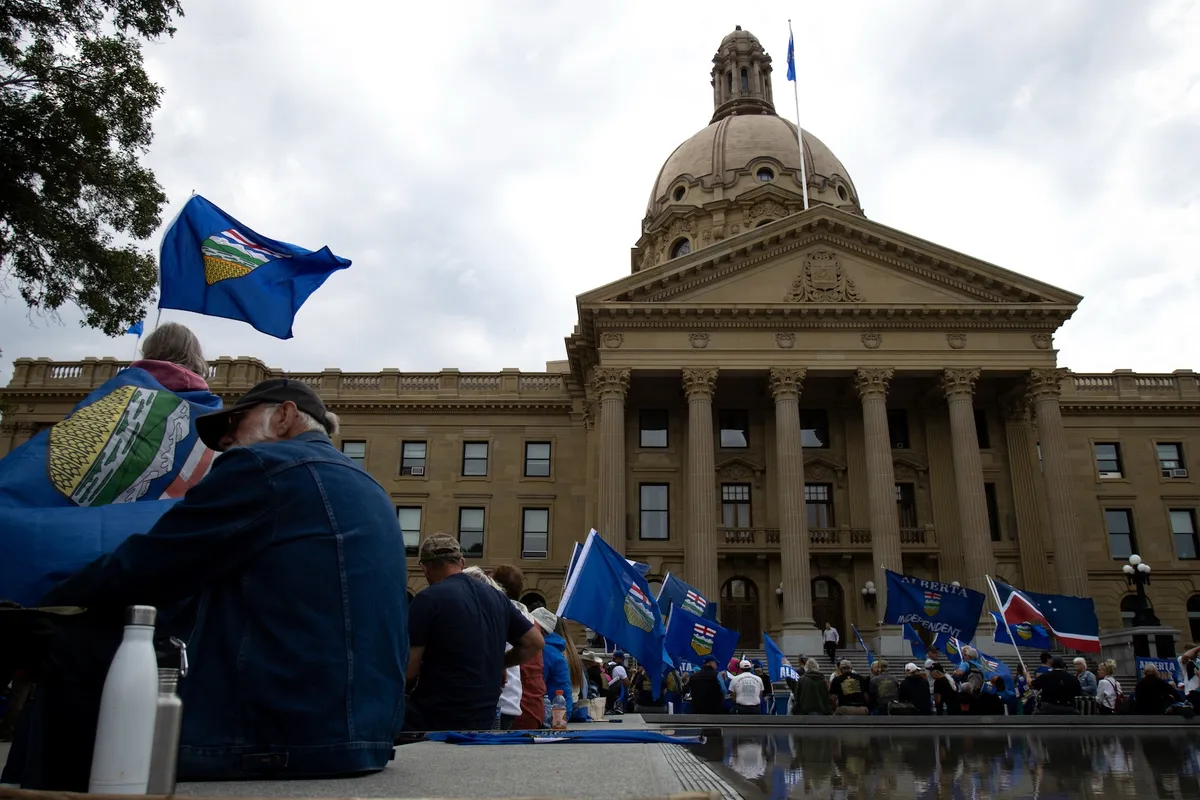
In my view, one of the best things about Canada is how the country found a way to settle fundamental differences—including debates over the future of the country—through democratic means. Even as other major democracies endured decades of violence and repression related to separatist causes, Canada collectively agreed to keep violence out of the question as it worked through the complex question of Quebec sovereignty. When things went too far—whether in the form of the Front de libération du Québec (FLQ) crisis or in the Royal Canadian Mounted Police running amok in the years that followed—Canadians again and again found a way to take a step back, change course, and settle things peacefully, democratically, and within the rule of law, among ourselves.
That last point is crucial. Conversations about the future of Canada must be the purview of Canadians alone. Here, too, history is a useful guide. When Charles de Gaulle made his notorious speech from the steps of Montreal’s City Hall in 1967, declaring “Vive Le Québec libre!” the Canadian government responded immediately.
This article is an excerpt. To read the full content, visit the original source. The Walrus
Related articles
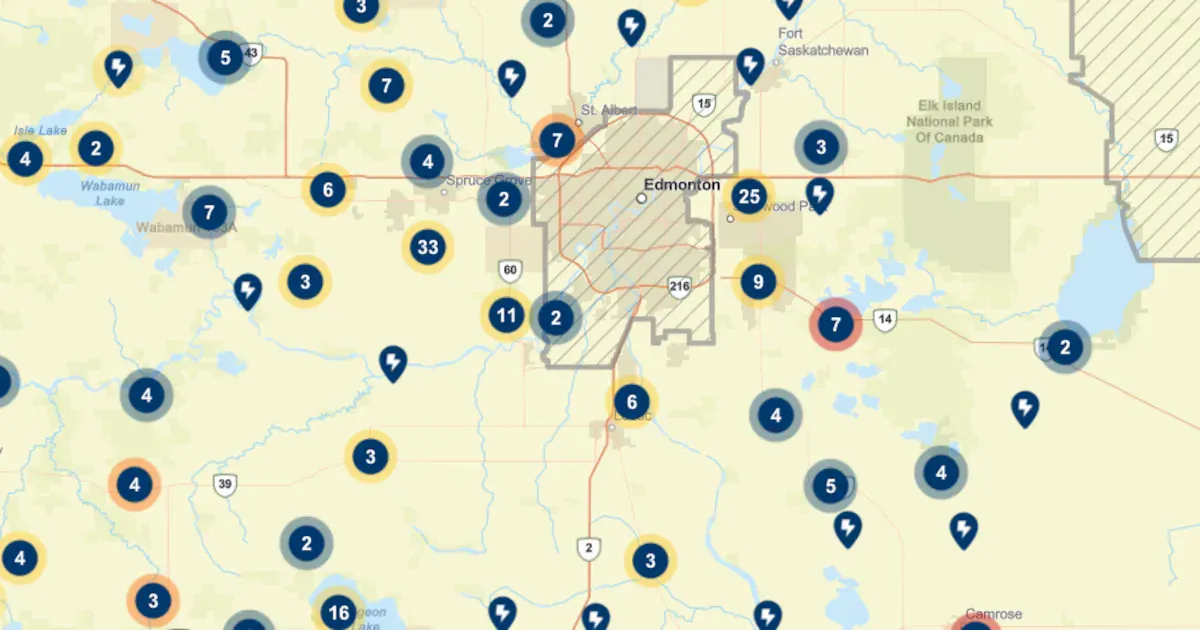
Power outages ramp up as windstorm sweeps through Edmonton and area - CTV News
AtlanticNova ScotiaNew BrunswickPrince Edward Island Newfoundland and LabradorCalgaryLethbridgeKitchenerGuelphNorthern OntarioSudburyNorth BaySault Ste. MarieTimminsOttawaKingstonBrockvillePembrokeReginaYorktonSaskatoonPrince AlbertTorontoWatchWeatherPeelHamiltonDurhamYorkHaltonNiagaraQueen's ParkToronto City HallIn PicturesVancouverVancouver IslandCanadaLocal SpotlightRoyal FamilyPoliticsNanosPower PlayQuestion PeriodFederal Election 2025WorldMideast ConflictRussia-Ukraine WarWatchLatestCaptured on CameraPoliticsLifestyleConsumerHealthExplainedEntertainmentTechnologyDeception DecodedAutosEnvironmentBusinessInflationReal EstateAutos
Electrocution that left Nova Scotia man dead happened during copper wire theft: RCMP - CTV News
AtlanticNova ScotiaNew BrunswickPrince Edward Island Newfoundland and LabradorCalgaryLethbridgeKitchenerGuelphNorthern OntarioSudburyNorth BaySault Ste. MarieTimminsOttawaKingstonBrockvillePembrokeReginaYorktonSaskatoonPrince AlbertTorontoWatchWeatherPeelHamiltonDurhamYorkHaltonNiagaraQueen's ParkToronto City HallIn PicturesVancouverVancouver IslandCanadaLocal SpotlightRoyal FamilyPoliticsNanosPower PlayQuestion PeriodFederal Election 2025WorldMideast ConflictRussia-Ukraine WarWatchLatestCaptured on CameraPoliticsLifestyleConsumerHealthExplainedEntertainmentTechnologyDeception DecodedAutosEnvironmentBusinessInflationReal EstateAutos
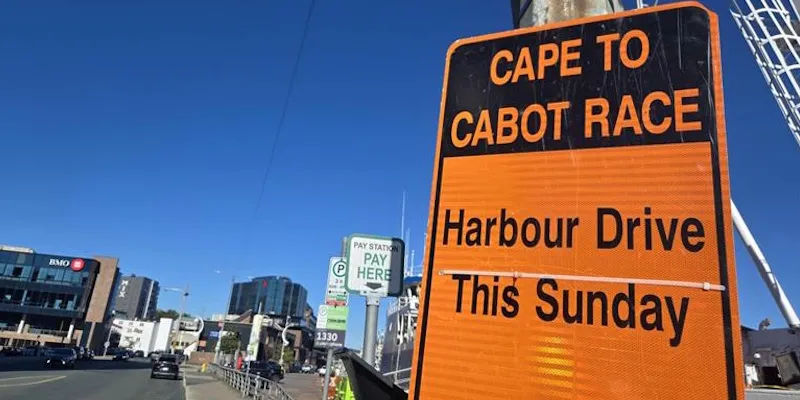
Runners Take on Cape to Cabot Challenge Tomorrow - VOCM
The 20th annual Cape to Cabot road race is taking place tomorrow. The grueling 20 km trek sees participants running from one historic landmark to another: From Cape Spear to Cabot Tower on top of Signal Hill. The race starts at 8 a.m., and because of that there are a few related road closures in St. John’s. Between 7:45 and 11a.m. there will be numerous road closures along the route. A full list can be found online at VOCM dot com. Expect traffic impacts from 7:45 a.m. to 11 a.m. on routes including Blackhead Road, Southside Road, Water Street, Harbour Drive, Duckworth Street, Temperance Street and Signal Hill Road.
Alberta referendum expected to bring finality, but also more questions on separation - Global News
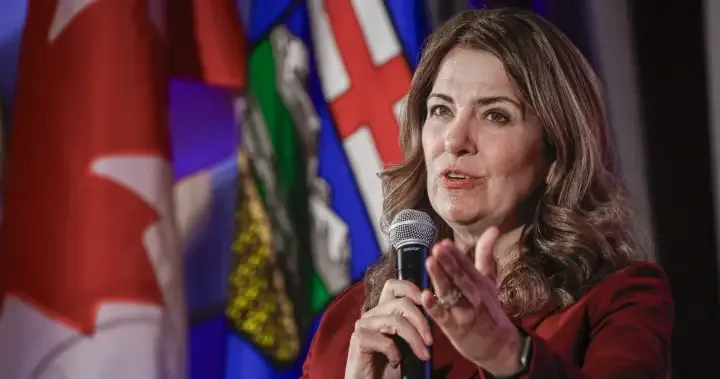
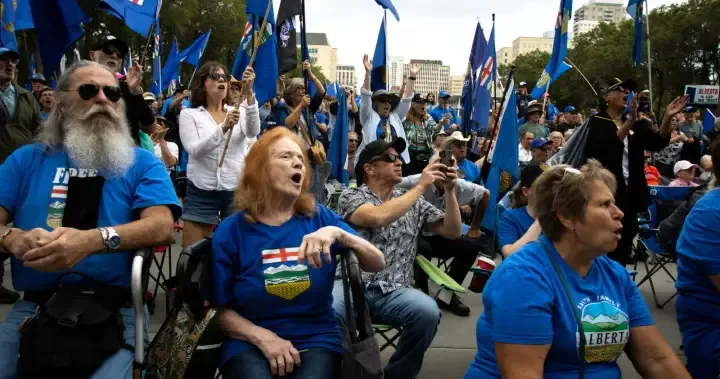
On Monday, Albertans vote on whether to stay in Canada or hold another binding referendum on quitting Canada. If the vote goes as polls suggest, a majority of Albertans will mark an X to stay in Confederation, and Premier Danielle Smith has said if that’s so, she expects everyone to accept it and move on. Leaders of the independence movement contest that. And political watchers are divided about whether separation — previously a fringe sentiment — will now be a prominent, permanent feature of Alberta’s political landscape, as in Quebec. Julian Castro-Rea, a political-science professor at the University of Alberta who studies the separation debates in Quebec and Alberta, believes as long as Alberta feels alienated from the Canadian capital — feeling that Ottawa benefits from Alberta’s resource economy without giving back — the movement will have fuel. “Even if the referendum is lost, the westernization will still be around, because it’s kind of a way which, traditionally, Albertans have related to the rest of Canada,” says Castro-Rea, who believes western alienation may remain indefinitely. Story continues below advertisement
How Canada’s fractured immigration consensus is starting to show up at ballot boxes - Global News
It’s no secret the long-held Canadian consensus on immigration has fractured — pulled apart by a rapid increase in new arrivals post-pandemic and growing affordability challenges. Now, that fracture is starting to show up at the ballot box. The Parti Québécois won a minority mandate in Quebec on a platform that included promises of tighter immigration controls, which the party linked to protecting French culture and easing pressure on public services and housing. And when Albertans head to the polls Monday to vote on whether to hold a future referendum on separation from Canada, they’ll also be answering five separate questions on immigration being pushed by the government of Alberta Premier Danielle Smith. Those questions include:— Should the province should have more say over economic immigration?— Should provincially funded services should be restricted to citizens, permanent residents and those with “Alberta-approved” immigration status? Story continues below advertisement
0 comments
No comments yet. Be the first to share your thoughts!