Information Note Regarding Eritrea-Ethiopia Relations - Eritrea Ministry Of Information
This story deserves to be shared
Send it to someone who'd care, or post it on your networks.

(Document circulated to UNSC Member States on 13 October yesterday in response to “Ethiopia’s Note on Current Developments” of 11 October 2026)
Over the past three years, the Government of Ethiopia has sustained and progressively intensified its unprovoked war agenda against Eritrea under the rubric of acquiring “Sovereign access to the sea, through negotiations if possible and force if necessary”, in violation of the UN Charter and the 2018 Peace and Friendship Agreement between the two countries. Ethiopia’s acts of aggression and destabilization include the pronounced establishment of a Naval Force with jurisdiction over and strategic depth in Eritrea’s southern coastal region.
This article is an excerpt. To read the full content, visit the original source. Eritrea Ministry Of Information
Related articles
Why the world is worried about the looming danger of an all-out Ethiopia-Eritrea war - The Globe and Mail
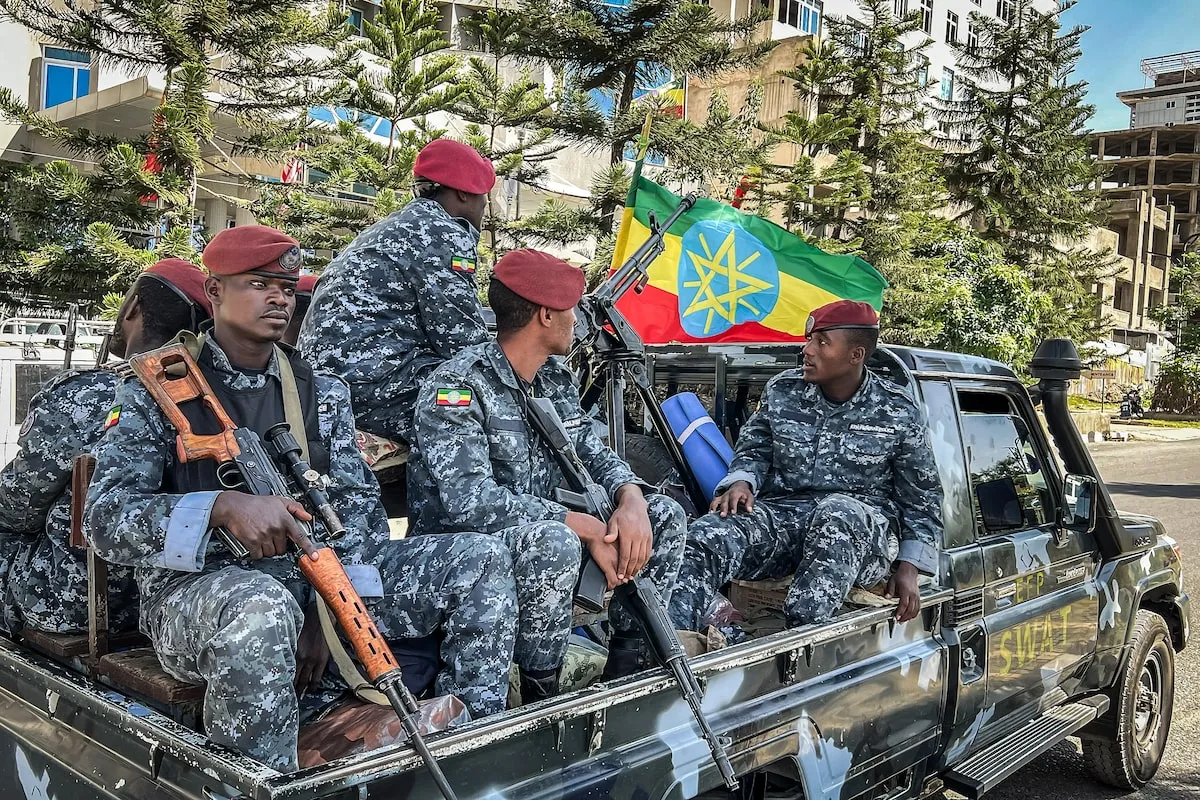
Open this photo in gallery:Members of Ethiopian Federal Police patrol as they resume operations after federal forces pushed back the rebel Tigray People's Liberation Front in Mekelle on Oct. 9. Ethiopia alleges Eritrea is supporting TPLF, which launched a rebellion last month in the northern Ethiopian region of Tigray.-/AFP/Getty ImagesAfter weeks of clashes and military advances by both sides, a full-scale war between Ethiopia and Eritrea is looming as an increasingly dangerous possibility, triggering fears of another crisis in the Horn of Africa. Ethiopian troops, backed by tanks and heavy weapons, have rapidly approached the Eritrean border in recent days, while Eritrea reportedly sent thousands of its own soldiers across the border into northern Ethiopia. Both sides have expelled each other’s diplomats and severed relations, accusing each other of plotting war. U. S. Secretary of State Marco Rubio became the latest diplomat to plead for peace this week. In a phone call with Ethiopian Prime Minister Abiy Ahmed, he cited the “heightened tensions” and urged all countries to “avoid cross-border incursions.” The region cannot tolerate more conflict, he told Mr.
High on wins in Tigray, Ethiopia now has Eritrea in its crosshairs - Responsible Statecraft
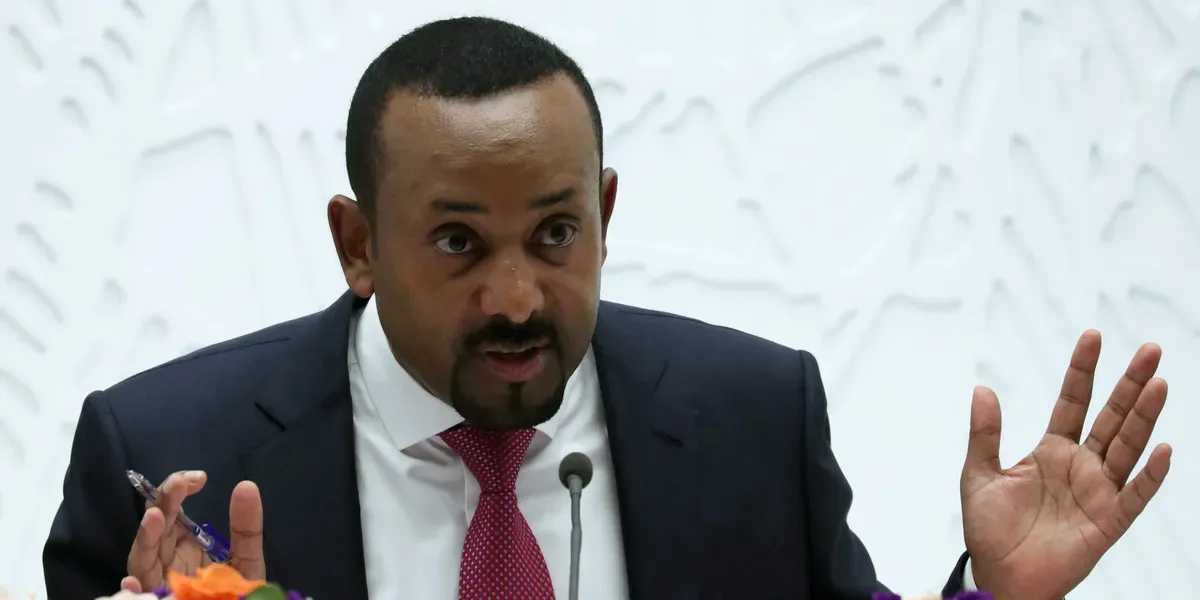
On Friday, Ethiopian Foreign Minister Gedion Timothewos wrote to the U. N. Security Council, citing Article 51 of the U. N. Charter, to say Eritrean troops had advanced up to 38 miles into Ethiopia’s northern Tigray region and that Ethiopia would defend itself against the incursion. On Saturday, Eritrean Foreign Minister Osman Saleh wrote a separate letter to the Security Council, calling Ethiopia’s accusations a “declaration of war.” Saleh cited a statement he attributed to Ethiopia’s deputy chief of staff, Gen. Abebaw Tadesse, who, according to the letter, said on September 27 that the “ultimate objective of the war [in Tigray] was to invade Assab,” a city on Eritrea’s Red Sea coast. Ethiopian forces, meanwhile, reportedly struck Eritrean forces near Adirgat, in Ethiopia's Tigray region, with drones on Wednesday and Thursday. An unnamed security source told AFP that between 5,000 and 8,000 Eritrean troops are deployed in Tigray. To understand why Ethiopian and Eritrean troops are now clashing, one must look back at 2020, when Ethiopia’s federal government under Prime Minister Abiy Ahmed fought the Tigray People’s Liberation Front (TPLF).
Can Ethiopia ever be at peace? Four reasons conflict keeps flaring up - The Conversation
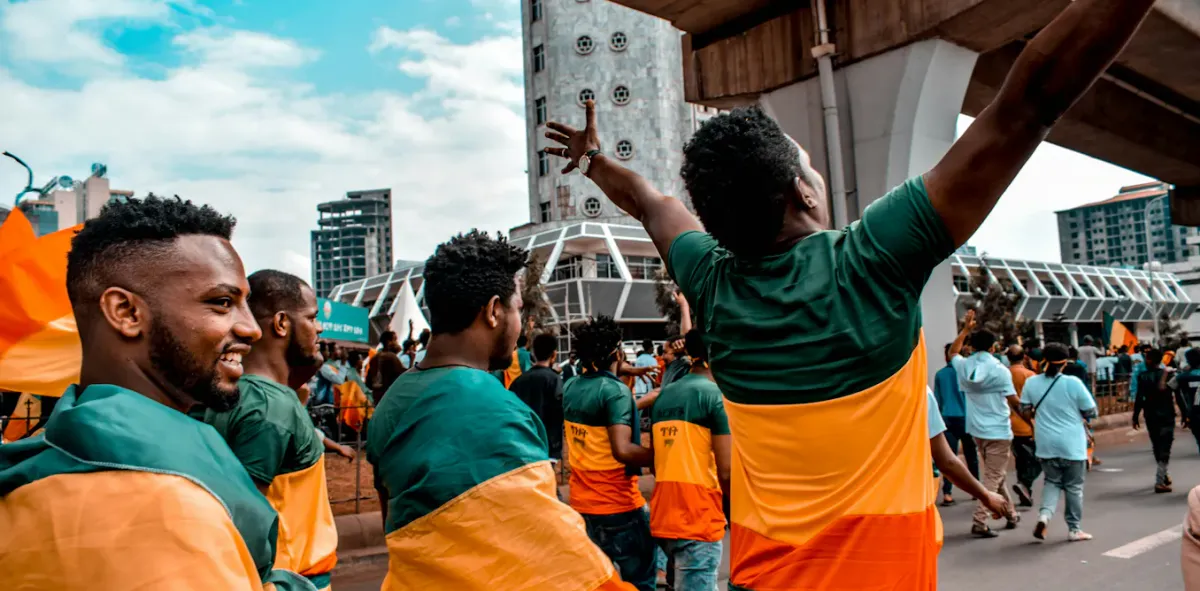
Ethiopia has experienced recurrent conflicts for over five decades. This includes a long-running civil war sparked by the overthrow of Emperor Haile Selassie in 1974, renewed fighting in Tigray, and ongoing conflicts in Amhara and Oromia. The renewed hostilities in Tigray threaten to undo a peace process that had begun with an agreement signed in Pretoria, South Africa, in 2022.
Ethiopia’s Yomif Kejelcha reclaims half-marathon world record - Canadian Running Magazine
Israeli settlers attack European diplomats during West Bank olive harvest - Al Jazeera
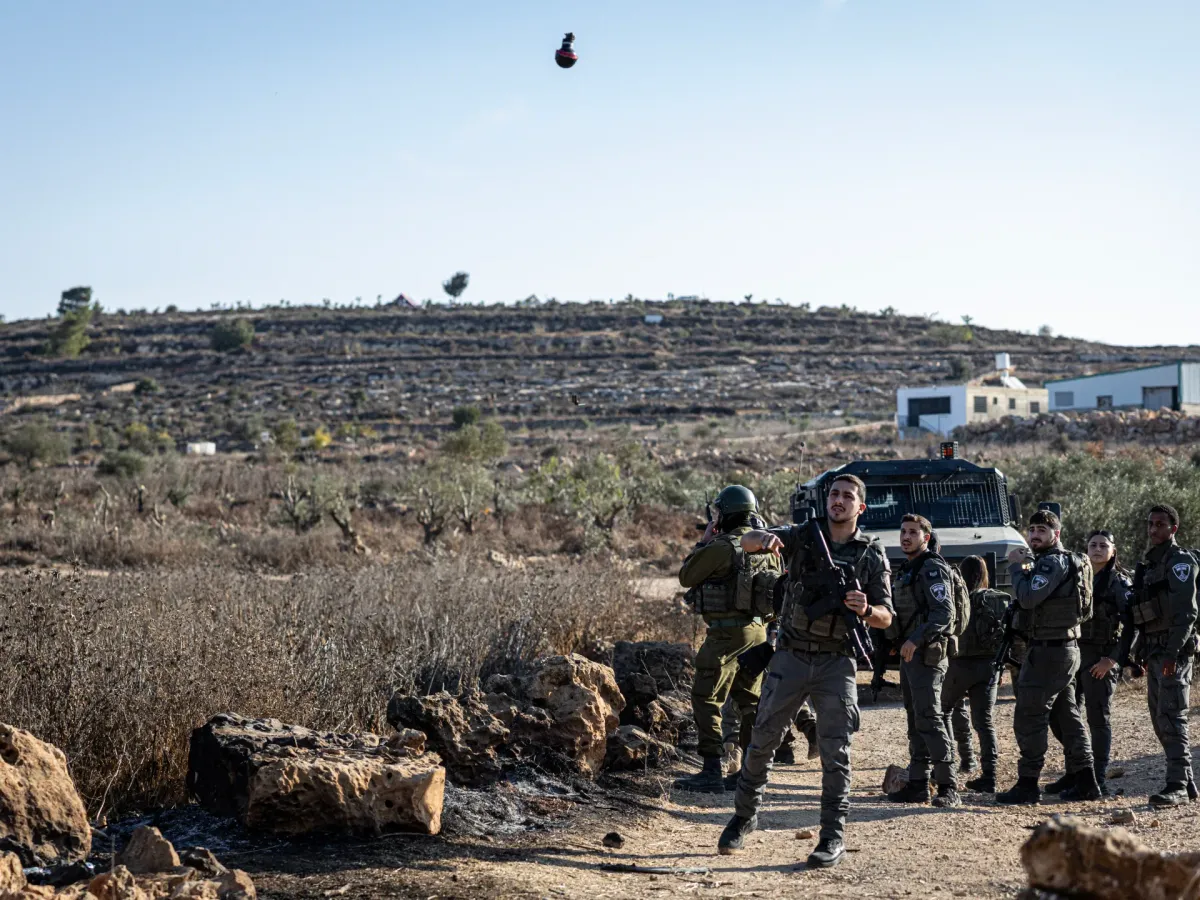
Israeli settlers have attacked European diplomats, including a French mayor, near the Palestinian village of Taybeh in the occupied West Bank. The delegation was visiting Palestinian olive harvesters on Saturday when the Israeli attackers confronted the group. The attack comes a day after settlers assaulted a US journalist north of Ramallah. In Saturday’s incident, the settlers targeted Belgium’s consul general, French and Polish diplomats and Catholic representatives, Belgian Foreign Minister Maxime Prevot said. “A French mayor was assaulted and a Belgian vehicle damaged,” Prevot said, linking the attack to what he called Israel’s “illegal settlement policy” and pledging to push for further European Union sanctions. French mayor Bernard Baudoux, who was assaulted, told the AFP news agency that the violence suggests that “there is a tolerance on the part of the Israeli government” towards settler violence. Al Jazeera’s Nour Odeh, reporting from Ramallah, said the settlers surrounded the diplomats’ vehicles, pelted them with stones and smashed their windows.
0 comments
No comments yet. Be the first to share your thoughts!