inflatable pavilion by pneuhaus mimics dragonfly’s vision through 221 camera obscuras - Designboom
This story deserves to be shared
Send it to someone who'd care, or post it on your networks.
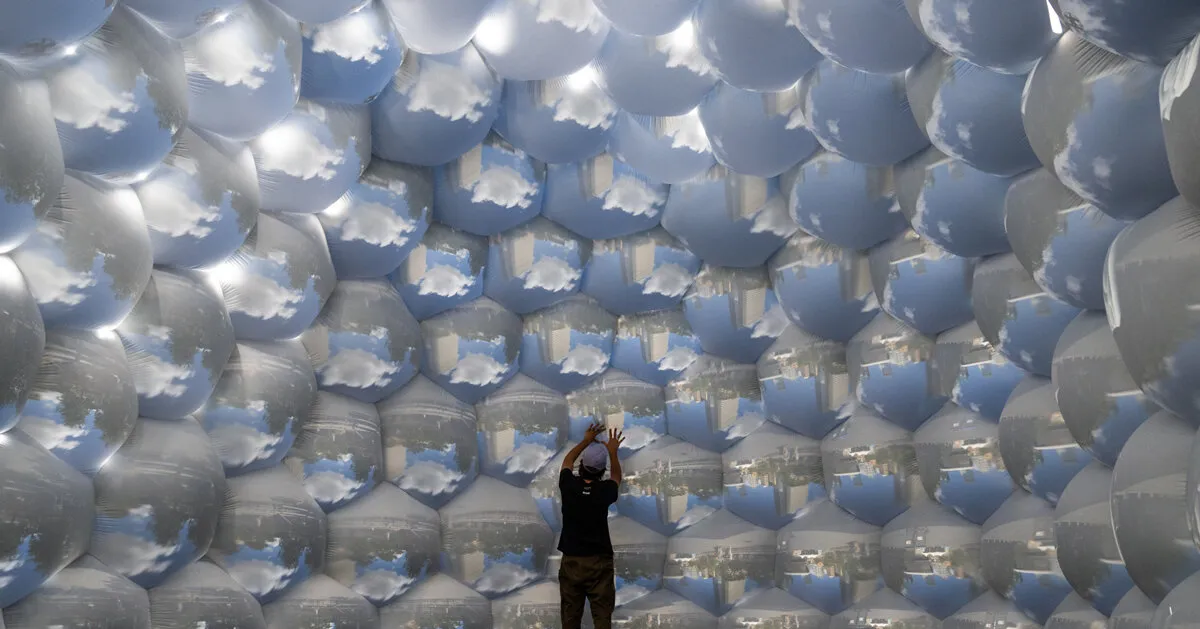
compound camera no. 3 creates a tactile viewing environment where hundreds of live images appear at once across a translucent surface; a construction of glass lenses, urethane-coated nylon, and air that allows visitors to adjust individual projections by hand. Kip Reinsmith edited by christina vergopoulou October 14, 2026 4 min prefer designboom on googleCompound Camera No. 3 inflatable pavilion mimics dragonfly visionPneuhaus creates Compound Camera No. 3, an inflatable pavilion composed of 221 camera obscura cells that project multiple views of the surrounding environment onto its translucent inner surface. Inspired by the compound eyes of dragonflies, the installation explores how different perspectives can coexist within a single structure. Each cell contains a glass double-convex lens, with its proportions and focal length determined by optical calculations. The pavilion combines concave and convex surfaces to direct views outward and inward, referencing the arrangement of a dragonfly’s ommatidia, which are oriented to observe different parts of its surroundings.
This article is an excerpt. To read the full content, visit the original source. Designboom
Related articles
221 Camera Obscuras Fill Pneuhaus’ Immersive, Inflatable, Image-Capturing Installation - Colossal
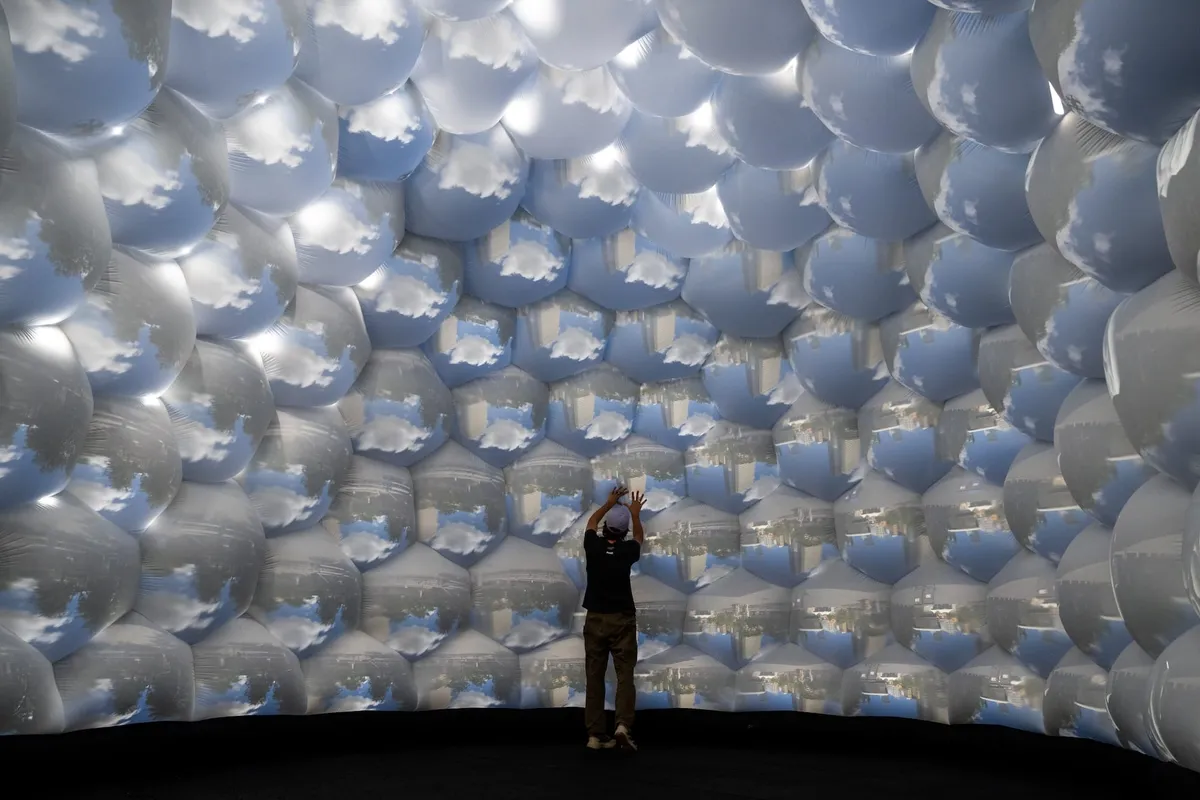
At first glance, the structure resembles a kind of elongated igloo or a giant, white snail. One one hand, it’s an immersive, pop-up room with a futuristic, bubble-like texture. It’s also a giant, walk-in camera (there are 221 lenses to be exact). Premiering late last month at MODE Festival, a celebration of global photography, “Compound Camera No.3” is the latest work by Pneuhaus, the Rhode Island-based studio known for its large-scale, architectural inflatables. Dozens of tiny cameras comprise the installation, which covers more than 700 square feet and invites visitors to walk around inside of a projection powered entirely by the sun. The images visible through the tiny apertures land on bulbous surfaces, and visitors can push on the soft material inside to distort what Pneuhaus describes as a “bug’s-eye view” of the sky and urban surroundings.
Titan’s brutal test: how Dragonfly is being pushed to the absolute limit - Futura, le média qui explore le monde
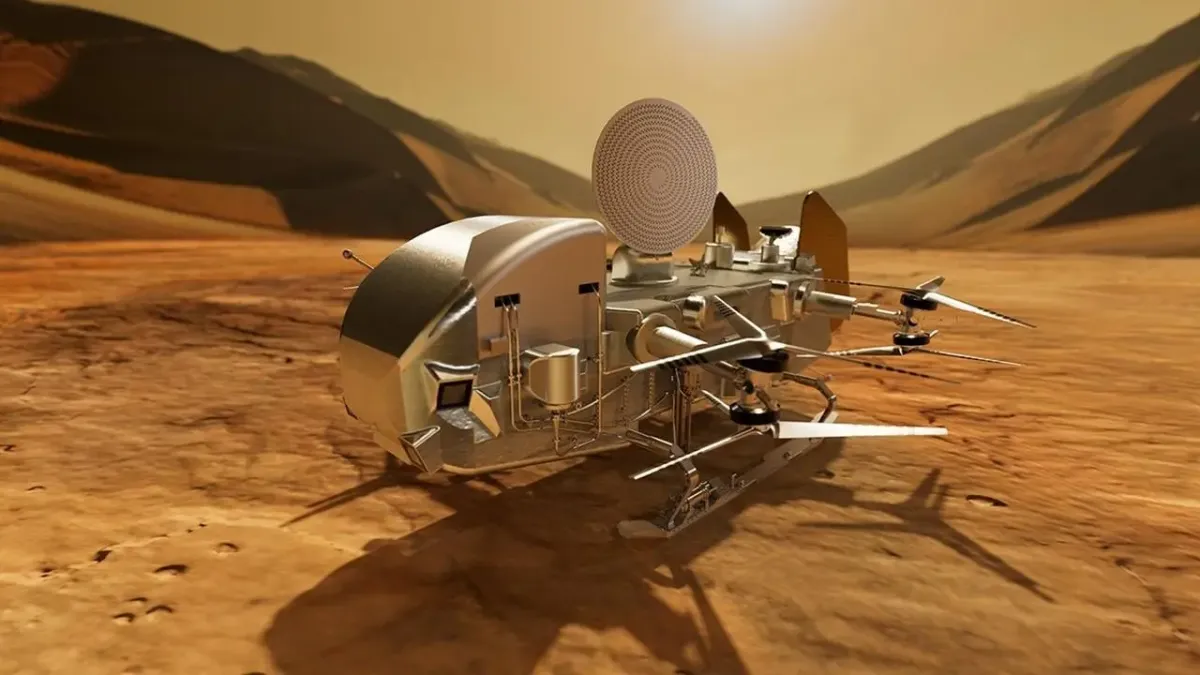
The Dragonfly probe is set to explore Titan by landing on its surface. Arrival is scheduled for 2034. © NASA The Futura Team represents the pulse of Futura’s editorial department, bringing together a collective expertise dedicated to the dissemination of scientific knowledge. Rather than the work of a single author, every article published under this signature is the result of a rigorous collaborative process involving journalists, editors, and fact-checkers. Specializing in news analysis via desk research and international wire services, the team focuses on transforming raw information into accessible, verified content. This curation and synthesis process ensures constant monitoring of technological innovations and major scientific breakthroughs. By cross-referencing sources and conducting multiple rounds of peer review, the Futura Team guarantees scientific accuracy and pedagogical clarity. This collective signature serves as a hallmark of trust, providing reactive, cross-disciplinary information at the forefront of current events
0 comments
No comments yet. Be the first to share your thoughts!