Industry gifts and payments can influence prescribing, Cochrane review finds - The Pharmaceutical Journal
This story deserves to be shared
Send it to someone who'd care, or post it on your networks.

Researchers analysed data from more than 90 studies, which examined pharmaceutical company promotion to prescribersHanna Kuprevich/ Alamy Stock PhotoPromotional interactions between pharmaceutical companies and clinicians, including gifts and payments, are likely “associated with harmful outcomes”, a Cochrane review has suggested. Publishing the findings of the review, entitled ‘Pharmaceutical industry information and promotional strategies aimed at prescribers’ in the Cochrane Database of Systematic Reviews on 9 October 2026, the authors highlighted that such gifts were associated with “inappropriate prescribing”, an increase in the quantity of prescriptions and “probably” an increase in prescription costs. Gifts and payments were considered to include food and drink, consultancy payments, payments to cover travel expenses, and conference and other educational expenses. The authors analysed 93 studies of pharmaceutical company promotion to prescribers. Of these, 82 studies were conducted in the United States, while 11 studies were conducted in the European Union or the UK.
This article is an excerpt. To read the full content, visit the original source. The Pharmaceutical Journal
Related articles
YORK UNIVERSITY Pharmaceutical company marketing negatively influences prescribing - Education News Canada
Doctors' prescribing habits are heavily influenced by payments, gifts, and free meals from pharmaceutical companies, leading to more expensive, less appropriate and more drugs being prescribed, a new Cochrane review finds. This can seriously harm both individual patients and health systems. Pharmaceutical companies use a variety of strategies to market and promote their drugs. This can include one-on-one visits by sales reps to doctors' offices and hospitals, gifts and payments including for example paid meals, travel costs to conferences, entertainment, consulting fees, honoraria for participation in advisory boards, and advertising.
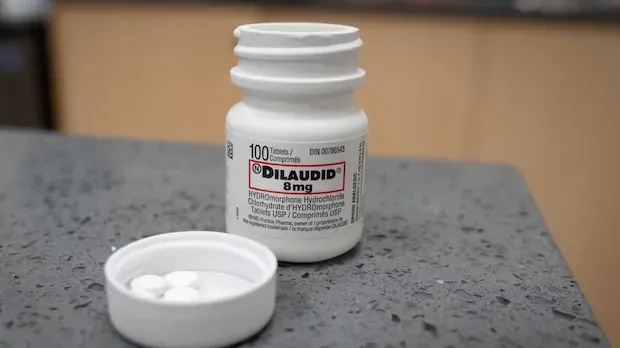
Ontario's medical regulator looking to clamp down on prescribing safer supply drugs - CBC
TorontoOntario's medical regulator is proposing sweeping changes to prescribing safer supply drugs, The Canadian Press has learned. Changes include time limit for prescribing safe supply, mandating consumption in front of healthcare workerLiam Casey · The Canadian Press · Posted: Oct 06, 2026 1:06 PM EDT | Last Updated: October 6Listen to this articleEstimated 5 minutesThe audio version of this article is generated by AI-based technology. Mispronunciations can occur. We are working with our partners to continually review and improve the results. A bottle of 8-milligram hydromorphone tablets, sold under the brand name Dilaudid. The opioid tablets are often used in safer-supply prescribing. The College of Physicians and Surgeons of Ontario is looking to clamp down on the practice of prescribing safer supply. (Maggie MacPherson/CBC)Ontario's medical regulator is proposing sweeping changes to prescribing safer supply drugs, The Canadian Press has learned. The College of Physicians and Surgeons of Ontario is looking to clamp down on the practice and is set to hold a board of directors meeting next week to decide on the proposed changes.
New Health Centre to open at Kelso Cochrane House - Royal Borough of Kensington and Chelsea

Bioengineer.org | Switching HIV drugs or adding zoledronic acid rebuilds bone lost to tenofovir - European AIDS Treatment Group
Bioengineer.org news storyFor millions of people living with HIV, antiretroviral therapy has transformed a once-fatal infection into a manageable chronic condition. Yet the very drugs that suppress the virus can carry quiet costs, and one of the most insidious is bone loss. Tenofovir disoproxil fumarate, or TDF, has been a cornerstone of HIV treatment worldwide for two decades, prized for its potency, durability, and low cost. But a growing body of evidence has linked TDF exposure to measurable reductions in bone mineral density, raising an increasingly urgent clinical question: once bone has been lost on a TDF-based regimen, can it be recovered? A new prospective cohort study, published in BMC Infectious Diseases, offers some of the most detailed longitudinal evidence to date that the answer, for many patients, is yes. The research team enrolled 223 virologically suppressed men living with HIV who had low bone mineral density while taking TDF-based antiretroviral therapy.
0 comments
No comments yet. Be the first to share your thoughts!