How will humans of the future be augmented? Six striking ideas from science fiction - The Conversation
This story deserves to be shared
Send it to someone who'd care, or post it on your networks.

The transformation of the human body has been a recurring concern of science fiction for more than 200 years. It has reflected both our hopes of overcoming physical limitations, and our fears about how technology may change what it means to be human.
Science fiction is an important creative and speculative space in which to explore these possibilities, and the ethics surrounding them. It encourages us to reflect on the values that shape the futures we are building.
This article is an excerpt. To read the full content, visit the original source. The Conversation
Related articles
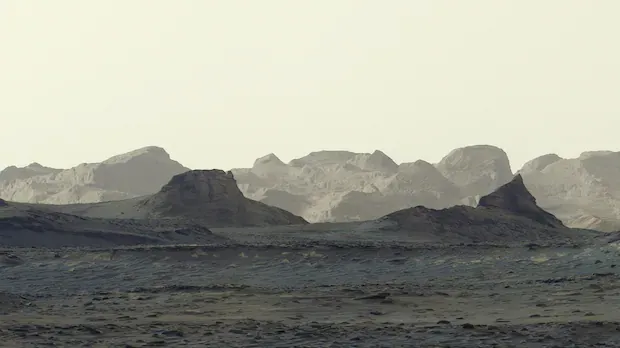
NASA's Curiosity rover takes striking image of dawn on Mars - CBC
ScienceNASA has released a striking image of dawn on the Martian surface taken by its Curiosity rover, showing sunlight bathing jagged crags formed billions of years ago as the car-sized vehicle continues to explore Earth's planetary neighbour. Curiosity landed in 2012 in Gale Crater near the Martian equatorThomson Reuters · Posted: Oct 07, 2026 3:25 PM EDT | Last Updated: October 7Listen to this articleEstimated 3 minutesThe audio version of this article is generated by AI-based technology. Mispronunciations can occur. We are working with our partners to continually review and improve the results. A view of the Martian surface taken by NASA's Curiosity rover on Aug. 11. (NASA/JPL-Caltech/MSSS/Reuters)NASA has released a striking image of dawn on the Martian surface taken by its Curiosity rover, showing sunlight bathing jagged crags formed billions of years ago as the car-sized vehicle continues to explore Earth's planetary neighbour. Curiosity landed in 2012 in Gale Crater near the Martian equator, and since 2014 has been climbing Mount Sharp, a five-kilometre-tall mountain rising from the crater floor.
0 comments
No comments yet. Be the first to share your thoughts!