How "mirror-image" snails could unlock secrets of human asymmetry - Interesting Engineering
This story deserves to be shared
Send it to someone who'd care, or post it on your networks.
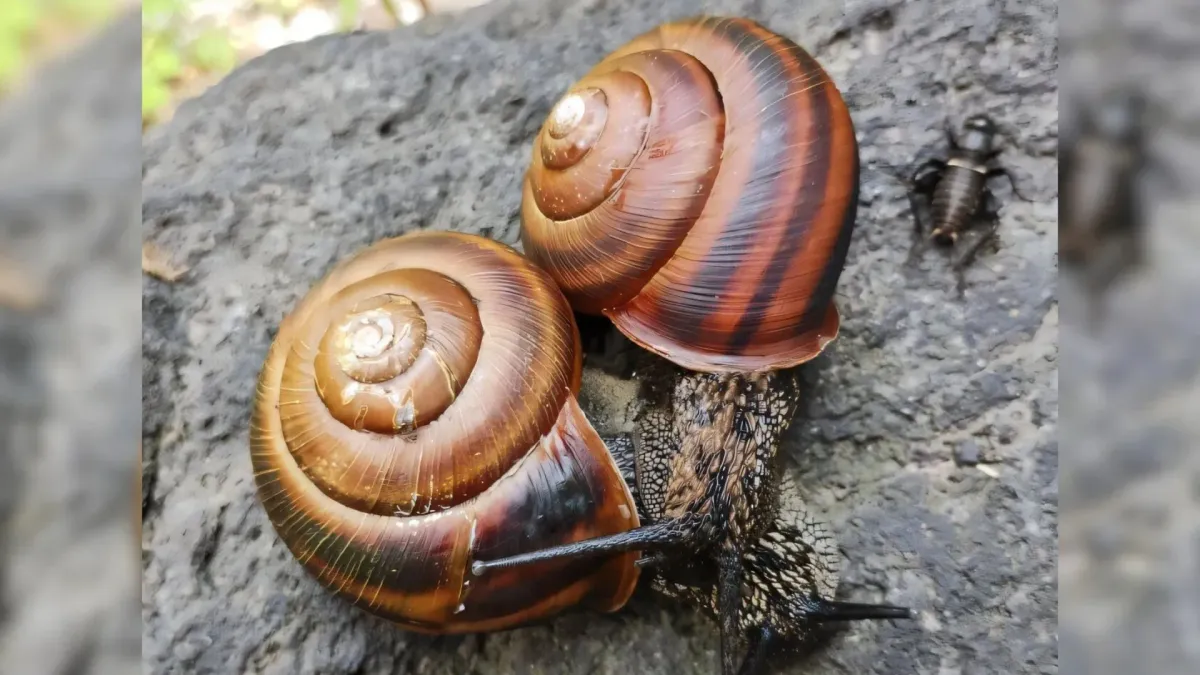
A small genetic difference can turn a snail into the mirror image of another. Now, researchers studying Japanese land snails have identified a gene that helps determine whether their shells coil clockwise or counterclockwise, offering new clues into how animals develop their left and right sides.
The study, led by researchers at the University of Nottingham and Tohoku University in Japan, examined wild Euhadra snails to understand the biological mechanisms behind this phenomenon, known as chirality. Their findings suggest that subtle variations in a gene responsible for producing a protein called myosin can result in healthy snails with opposite body plans.
This article is an excerpt. To read the full content, visit the original source. Interesting Engineering
Related articles
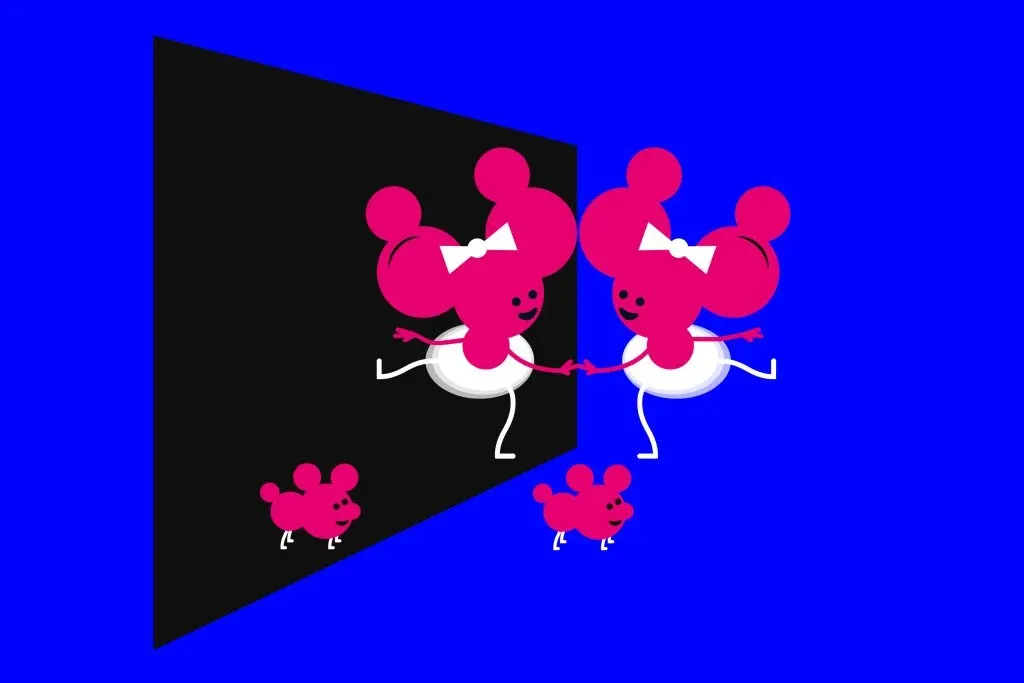
They made chemistry choose a mirror image - NobelPrize.org
EnglishEnglish (pdf)SwedishSwedish (pdf) The Royal Swedish Academy of Sciences has decided to award the Nobel Prize in Chemistry 2026 to

Nobel prize in chemistry awarded for work on mirror-image molecules - The Guardian
The Nobel prize in chemistry 2026 has been awarded to two scientists for discoveries that showed how chemical reactions can produce an overwhelming excess of one of two mirror image forms of a molecule. Henri B Kagan at Paris-Sud University in France and Kensō Soai at Tokyo University of Science in Japan have been awarded the prize “for the discovery of nonlinear effects and autocatalysis in asymmetric organic synthesis”. The Royal Swedish Academy of Sciences announced the winners in Stockholm, Sweden, on Wednesday. They will each receive an equal share of a prize of 12m Swedish kronor (about £900,000). Many molecules, including amino acids that form the building blocks of proteins, can exist in two forms that contain the same atoms, but are mirror images of one another, much like a person’s left and right hands. This property is known as chirality. However, the chemistry underpinning life is surprisingly “homochiral”, or same-handed. Proteins are built almost exclusively from L-amino acids, while the sugars that form the backbone of DNA and RNA have the opposite D- configuration.
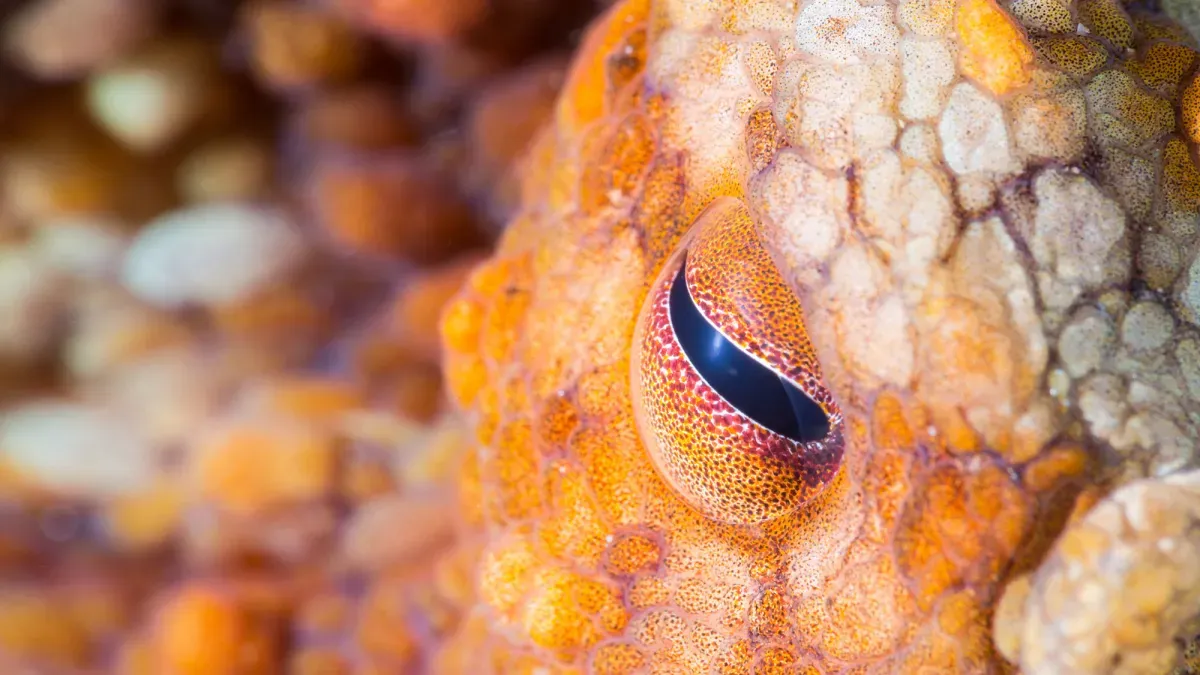
How smart are octopuses? Smart enough to use a mirror. - Popular Science
Part of its brain lives in its arms. It can see with its skin. It has no bones at all, allowing it to fit into any space larger than its beak—oh, and yes, it has a beak. This might sound like some fever dream of a next-level alien. In fact, scientists do liken its strange anatomy to something extraterrestrial. But it’s not an alien at all: It’s an octopus, and it’s very much of this Earth. It just happens to be so different from us, it may as well “phone home” from another planet.
0 comments
No comments yet. Be the first to share your thoughts!