How is Raman Spectroscopy Being Used in Life Science Applications? - Spectroscopy Online
This story deserves to be shared
Send it to someone who'd care, or post it on your networks.
This article is an excerpt. To read the full content, visit the original source. Spectroscopy Online
Related articles
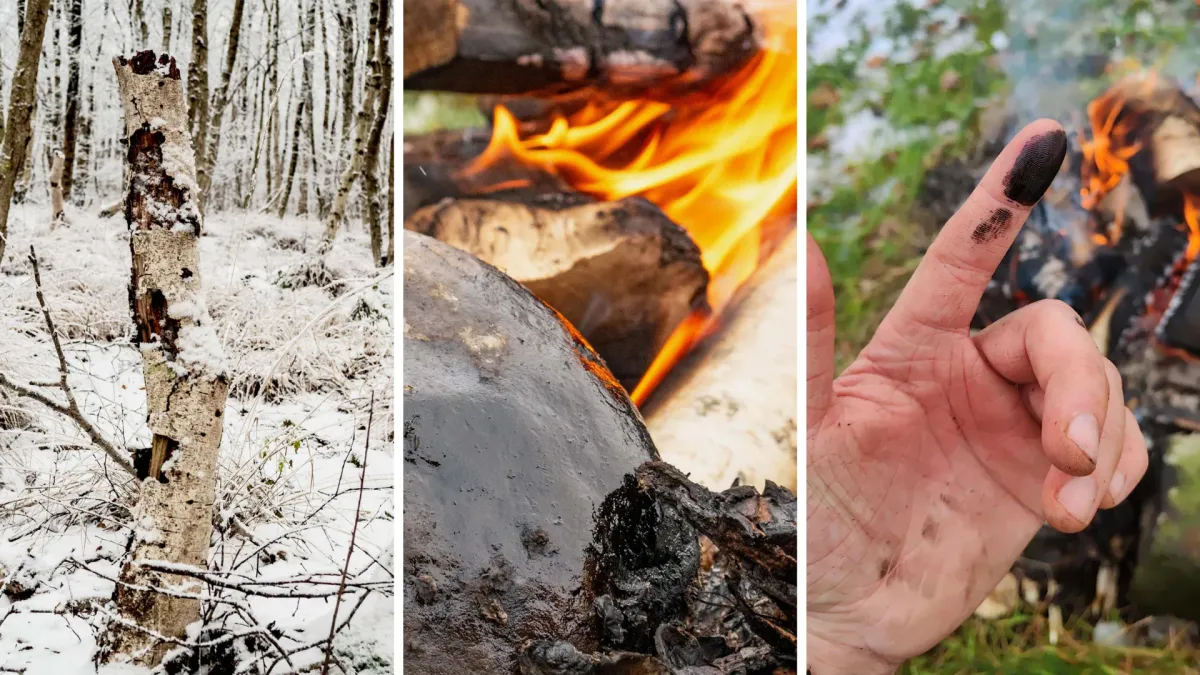
Neanderthals may have used prehistoric glue as an ancient antibiotic - Science Daily
Neanderthals may have used a sticky substance made from tree bark not only to construct tools but also to treat wounds and fight bacterial infections. Scientists have discovered that birch tar, a material commonly associated with prehistoric toolmaking, has antibacterial properties that could have made it useful as an ancient form of medicine. The findings come from a study conducted by researchers at the University of Cologne, the University of Oxford, the University of Liège, and Cape Breton University in Canada. By recreating techniques believed to have been used by Neanderthals, the team produced birch tar and tested its ability to inhibit harmful bacteria.
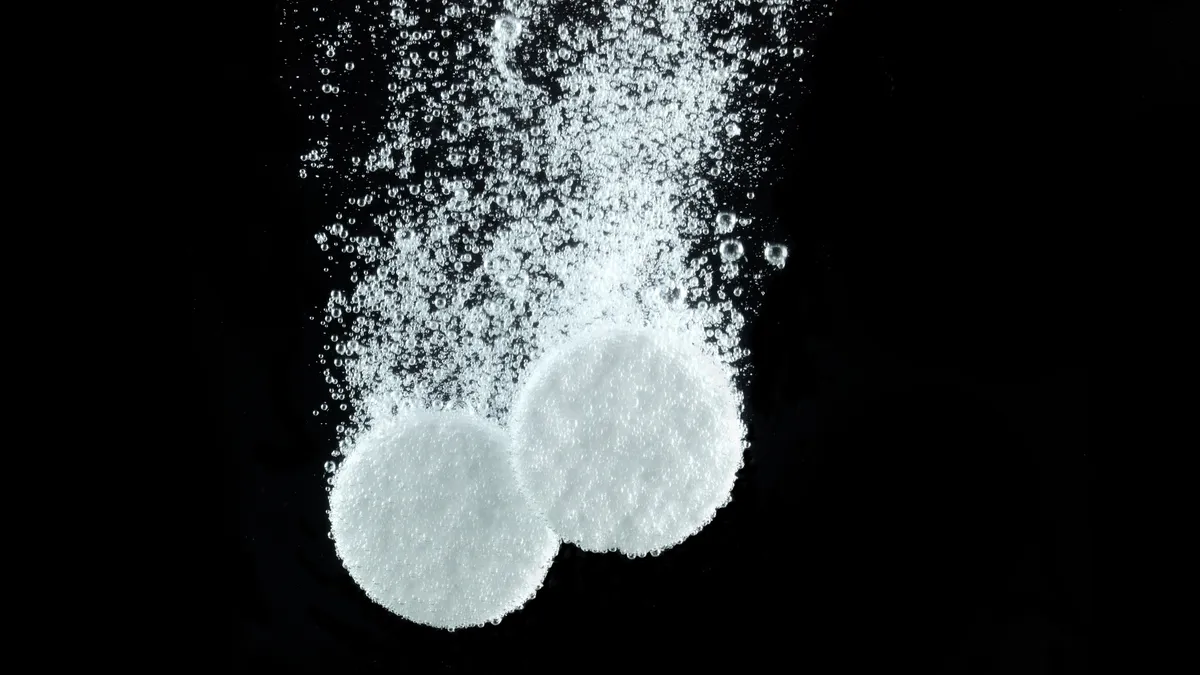
One of The World's Most Used Drugs May Lower Dementia Risk – But There's a Catch - ScienceAlert
One of the most widely used drugs in the world could help reduce dementia risk when taken daily – but only for some. An analysis of a large randomized controlled trial, including more than 13,500 older adults in Australia and the US, has now found that taking daily aspirin is associated with a lower relative risk of dementia among people with certain genes. The study, published in Alzheimer's & Dementia, uses data from one of the largest placebo-controlled trials of aspirin use in healthy older adults. It is the first study to identify a genetic subgroup of individuals who can potentially lower their dementia risk with low doses of aspirin. The participants who seem to benefit the most are those with genetic scores associated with higher platelet counts in the blood. Among this subgroup, those taking aspirin showed a 70 percent lower risk of developing dementia over the course of the trial compared to those taking a placebo, with the difference emerging after roughly 2 to 3 years of follow-up. But there were also risks. Serious bleeds during this time were also roughly twice as common among those taking aspirin.
This Diabetes Drug Used for 60 Years Also Works in the Brain - Futura, le média qui explore le monde
Humans have used fire far longer than anyone realized - Science News Explores
AI Agents in Science: What Are AI Agents, and How Are They Being Used in Scientific Research? - University of Colorado Anschutz
Feasibility of diffuse reflectance spectroscopy for tumor border detection in colorectal cancer surgery - Nature
Joris T. Hepkema1, Isis Boeije2, Arend G. J. Aalbers3, Brechtje A. Grotenhuis3, Marinke Westerterp3, Freija Geldof1, Behdad Dashtbozorg1 & … Theo J. M. Ruers1 We’re sharing this article early to provide faster access to peer-reviewed, accepted research. It is citable and carries a permanent DOI. This version is subject to further edits and will be replaced automatically by the final Version of Record. All legal disclaimers apply.
0 comments
No comments yet. Be the first to share your thoughts!