Health workers tackle taboos over drinking with new AI tool - Welcome to the United Nations
This story deserves to be shared
Send it to someone who'd care, or post it on your networks.

HomeOverview The Sustainable Development GoalsMonitoring and Progress – HLPFFinancing for DevelopmentSustainable Development Goals Report 2026Decade of ActionThe 17 Goals 1-6Goal 1: No PovertyGoal 2: Zero HungerGoal 3: Good Health and Well-beingGoal 4: Quality EducationGoal 5: Gender equalityGoal 6: Clean Water and Sanitation7-12Goal 7: Affordable and Clean EnergyGoal 8: Decent Work and Economic GrowthGoal 9: Industry, Innovation and InfrastructureGoal 10: Reduced InequalitiesGoal 11: Sustainable Cities and CommunitiesGoal 12: Responsible Consumption and Production13-17Goal 13: Climate ActionGoal 14: Life Below WaterGoal 15: Life on LandGoal 16: Peace, Justice and Strong InstitutionsGoal 17: Partnerships for the GoalsGet Involved ActNow for the SDGsClimate Action SuperheroesActNow appThe Lazy Person’s Guide to Saving the WorldThe Lazy Person’s Guide to Saving WaterSDG Book ClubSDG Book Club | ArchiveYouthPartnerships About PartnershipsSDG Media CompactSDG Media ZoneSDG Publishers CompactSDG AdvocatesFootball For The GoalsSDG Circle of SupportersNews and Events Goal of the MonthGoal of the Month | ArchivePress materialsSDG Editorial CalendarNewsFeatured NewsVideosResources
This article is an excerpt. To read the full content, visit the original source. Welcome to the United Nations
Related articles

Health workers tackle taboos over drinking with new AI tool - UN News
HealthA new AI-powered hub for health professionals aims to help identify alcohol-related risks and launch discussions with patients, including the link between drinking and cancer, the World Health Organization (WHO) announced on Wednesday. “Alcohol harm isn’t abstract,” said Dr. Carina Ferreira-Borges, the WHO Europe regional adviser on alcohol. “It can be heart and liver disease. It can be a baby exposed to alcohol before birth. It can be anxiety and depression. It can be a woman who develops breast cancer without ever being told alcohol was a risk.” The launch highlighted the widespread lack of awareness about alcohol-related health risks.‘Not an awkward extra’“We know screening and brief interventions work, but only if health professionals feel able to use them” she continued. “A doctor or nurse with a few minutes between patients can now ask the hub’s AI assistant how to ask about alcohol consumption and get an answer based on WHO evidence.
A New Injection Makes Fat Cells Self-Destruct, And Might Prevent GLP-1 Weight Regain - ScienceAlert
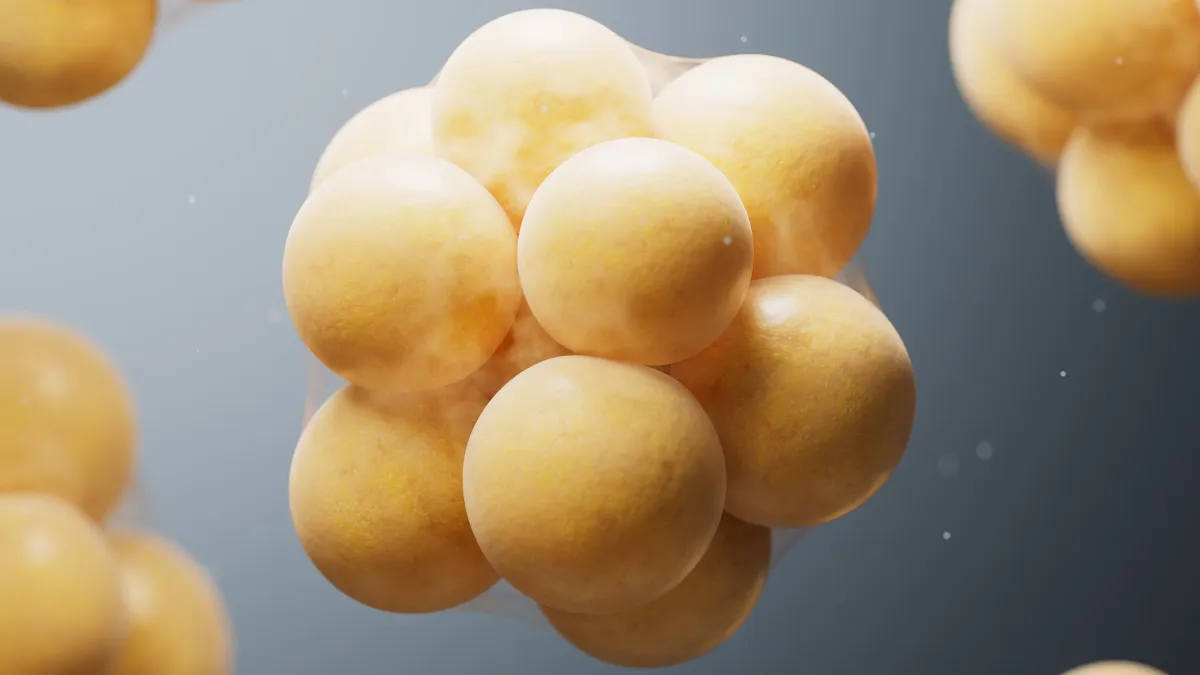
The new treatment kills off a sub-group of fat cells. (Jian Fan/iStockphoto/Getty Images) Early clinical trials into a new fat reduction treatment have reported promising results, and the treatment takes a more unusual approach: Rather than shrinking fat cells, as most weight loss strategies do, it safely and naturally kills them off. The drug here is CBL-514, which is administered via injection. As well as proving effective at reducing subcutaneous fat (just below the skin), there's evidence it can also reduce visceral fat (stored deeper around the organs). According to the team behind the trials, CBL-514 and its unconventional strategy have the potential to reduce fat in key areas of the body – with further benefits that come with weight loss likely to follow. "We expect that patients will be pleased by the cosmetic effects, such as the flatter stomach that can come with subcutaneous fat loss," says endocrinologist Timothy Garvey, from the University of Alabama at Birmingham, who headed up the trial.
0 comments
No comments yet. Be the first to share your thoughts!