GLP-1s and schizophrenia: Drug is linked to lower need for acute care in patients with schizophrenia and type 2 diabetes, study suggests - The BMJ
This story deserves to be shared
Send it to someone who'd care, or post it on your networks.
This article is an excerpt. To read the full content, visit the original source. The BMJ
Related articles
Schizophrenia and type 2 diabetes are linked, but GLP-1s could help manage the risks - Medical Xpress
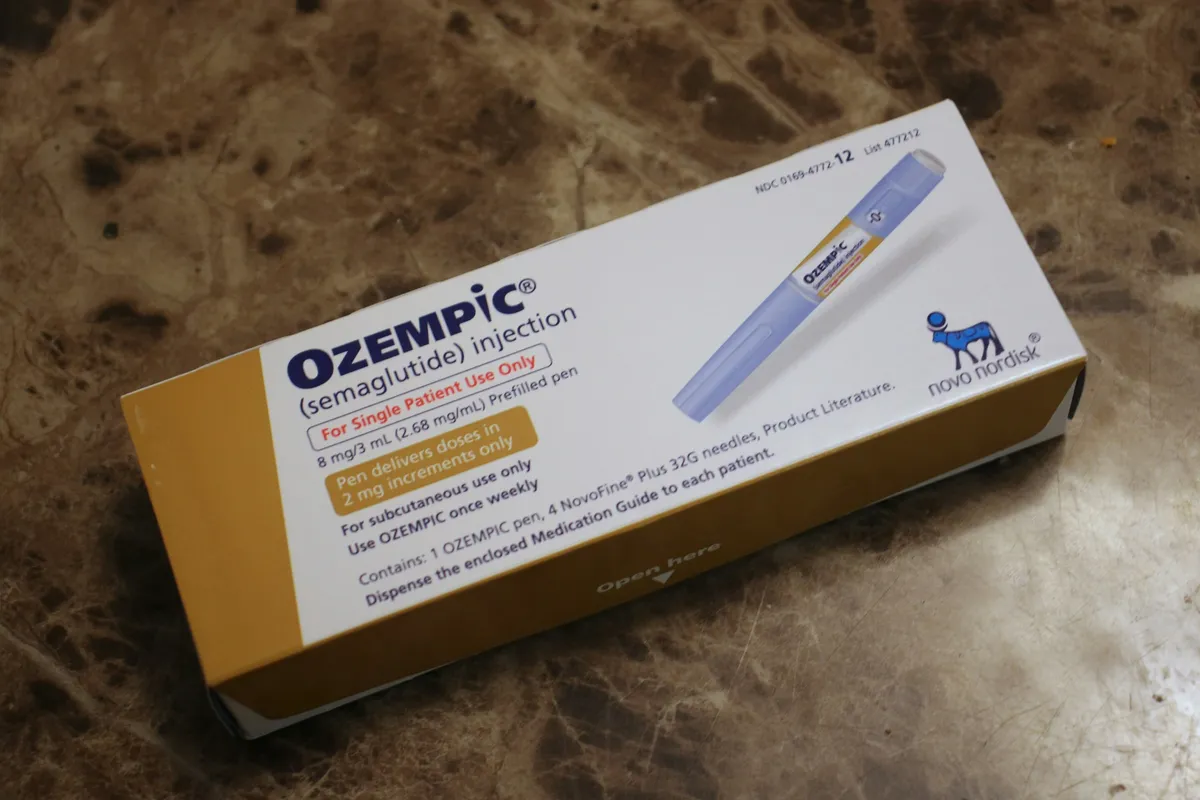
Treatment with glucagon-like peptide-1 receptor agonists (GLP-1s) was associated with lower risks of psychiatric hospitalization and psychiatric emergency department visits in people with both schizophrenia and type 2 diabetes (T2D), compared with no GLP-1 treatment or treatment with newer diabetes medications, according to new research published in The Lancet Psychiatry. Schizophrenia is associated with an increased risk of T2D, and antipsychotic medications prescribed for schizophrenia also increase the risk of T2D.
GLP-1 Drugs Cut Psychiatric Hospital Admissions For Schizophrenia By 24%: Study - KFF Health News
The study, published Wednesday, was the first to link powerful obesity and diabetes medicine with a reduced likelihood of schizophrenia hospitalization, Bloomberg reported. One of the authors of the study hypothesized that better metabolic health might support “psychiatric stability.” People with schizophrenia who were also taking GLP-1 drugs for diabetes had fewer psychiatric relapses in a large study of US health records, indicating another potential benefit from the medicines. The patients on GLP-1s were 24% less likely to be admitted to a psychiatric hospital than people not taking the drugs, researchers said, and 29% less likely to go to the emergency room for a mental health crisis. They were also less likely to be admitted than those who took other types of diabetes medicine, according to the study published Wednesday in the Lancet Psychiatry journal. (Kresge, 10/14)
European Medical Journal | HIV linked to early signs of heart dysfunction - European AIDS Treatment Group
Patient-centered financial navigation assistance helps reduce financial toxicity among cancer patients - Medical Xpress
Among cancer patients, the high financial cost of cancer care is a prevalent problem. This financial burden is also associated with potentially harmful behavioral strategies that patients might use to cope with costs, such as delaying or forgoing treatment and skipping medications. Collectively, researchers refer to this impact as financial toxicity.

Continuous glucose monitors help type 2 diabetes patients spend 5 more hours a day in healthy blood sugar range - Medical Xpress
Continuous glucose monitors (CGMs) could transform diabetes management for millions of Americans with type 2 diabetes who don't take insulin, according to findings published in the New England Journal of Medicine. The clinical trial found that adults using CGMs spent approximately five additional hours each day within their target blood sugar range compared with those receiving routine care. Nearly twice as many CGM users also achieved an A1c level below 7%, a common treatment goal for people with diabetes.
0 comments
No comments yet. Be the first to share your thoughts!