Everything's recording everybody. What now? | The Vergecast|The Verge - finance.biggo.com
This story deserves to be shared
Send it to someone who'd care, or post it on your networks.
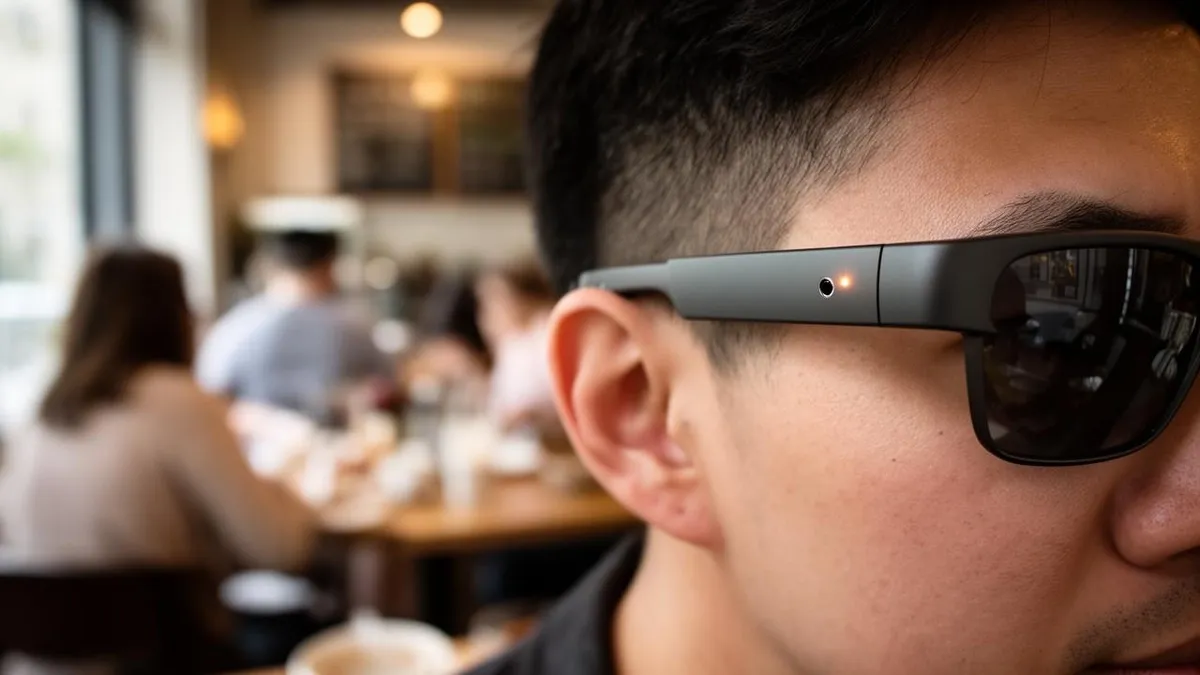
The Vergecast's October 15, 2026 episode is mostly a conversation about the etiquette and psychology of always-recording wearables, not a product review. The title's "everything's recording everybody" framing is fair, but the substance is narrower and more interesting: Verge reporter Victoria Song argues that tech companies are litigating the definition of a recording — claiming that if audio is transcribed and deleted, or if a camera is omitted entirely, nothing has been "recorded" — while the public's discomfort is about being listened to at all, not about what is stored. Song, who covers wearables for The Verge and was wearing four devices during the taping (Ray-Ban Meta Audio glasses, a Dexcom G7 CGM, an Apple Watch Series 12, and a Fitbit Edge, with an Oura Ring on the charger), walks host David Pierce through Meta's new camera-less glasses, Amazon's revived Bee wearable, and the consent problem that arrives when one person's device captures everyone else's data.
The episode's most useful contribution is a framework, not a scoop: the shift from "my data" to "everyone else's data.
This article is an excerpt. To read the full content, visit the original source. finance.biggo.com
Related articles
Victoria Song: Tech Is Litigating the Definition of 'Recording' While Society Pays the Price - BigGo Finance
Tech companies have settled on a convenient dodge for the privacy problem created by always-listening wearables: redefine what counts as a recording. Apple, Amazon, and Meta all argue that if audio is transcribed and the raw file deleted, nothing has been "recorded" at all. Victoria Song, The Verge's wearables reporter, dismantles that logic in a recent Vergecast conversation, arguing that a transcript is impossible without first recording the audio — and that the public's real discomfort is about being listened to, not about what gets stored. The episode's core framework: previous wearables put only your own data at risk, while always-listening devices make every wearer an "unintentional spy" responsible for stewarding everyone else's conversations. Song uses a poisoned M&Ms metaphor to explain why the public cannot distinguish legitimate users from creeps when 10% of smart-glasses wearers could be recording at any moment. The episode also covers Meta's camera-free Ray-Ban Meta Audio glasses, which Song says she didn't miss the camera on at all, and Amazon's $74.99 Bee Frontier wearable, which turns ambient conversation into shopping recommendations.
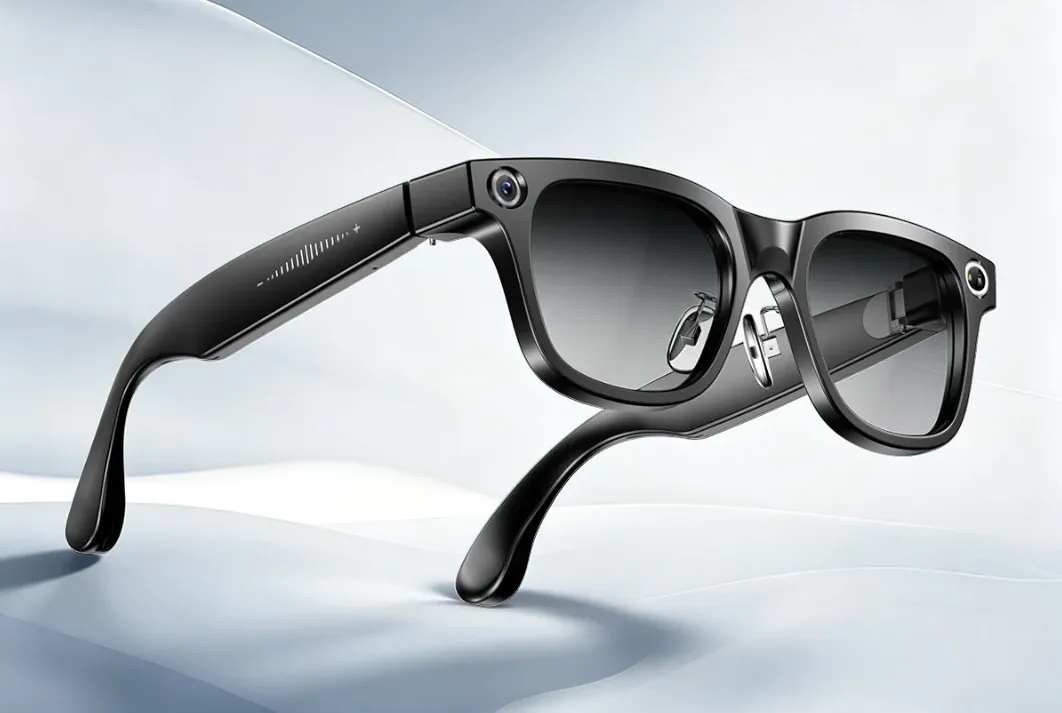
Rogbid launches VisionMax smart glasses with 20MP Sony camera, 4K recording & 9h battery life - Gizmochina
Rogbid has expanded its wearable lineup with the VisionMax, a new pair of smart glasses equipped with a camera, open-ear audio, and built-in AI features. The VisionMax features a 20-megapixel Sony IMX388D camera integrated into its frame, allowing you to record first-person 4K videos at 30fps or 60fps. To reduce shaky footage, the glasses come with a six-axis gyroscope and electronic image stabilization (EIS), helping you capture smoother videos while walking, cycling, or performing other activities.
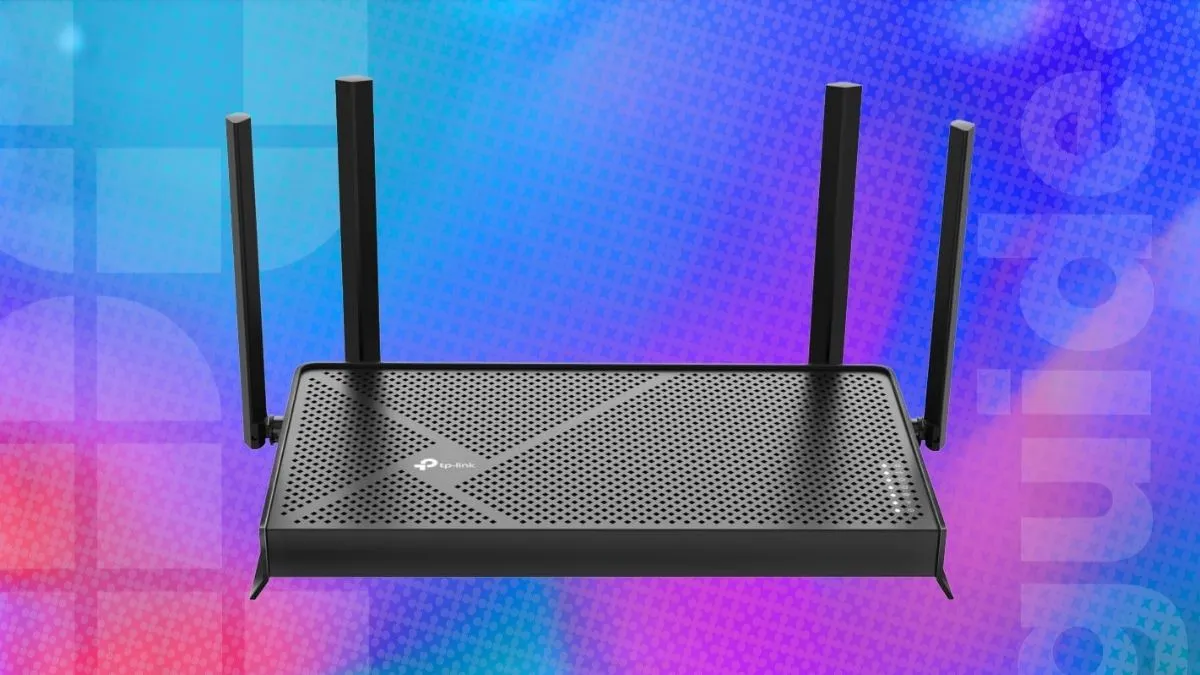
Amazon deal has shaved 33% off this popular TP-Link WiFi 7 router - PC Guide
Upgrading to a WiFi 7 router just got easier PC Guide is reader-supported. When you buy through links on our site, we may earn an affiliate commission. Read More
0 comments
No comments yet. Be the first to share your thoughts!