Endometriosis may increase type 2 diabetes risk - National Institutes of Health (NIH) | (.gov)
This story deserves to be shared
Send it to someone who'd care, or post it on your networks.
This article is an excerpt. To read the full content, visit the original source. National Institutes of Health (NIH) | (.gov)
Related articles
Effect of nursing care program on healthy lifestyle behaviours and quality of life in women with endometriosis: a randomised controlled trial - Nature
We’re sharing this article early to provide faster access to peer-reviewed, accepted research. It is citable and carries a permanent DOI. This version is subject to further edits and will be replaced automatically by the final Version of Record. All legal disclaimers apply. AbstractThis study was conducted to determine the effect of Endometriosis Nursing Care Program (ENCP), developed in line with Health Promotion Model for women with endometriosis, on women's quality of life and healthy lifestyle behaviours. This prospective, single-centre, randomized controlled trial was conducted with 46 women diagnosed with endometriosis who applied to the Endometriosis Outpatient Clinic of a training research hospital. Women with an Endometriosis Health Profile Questionnaire-5 (EHP-5) score ≥ 22 indicating reduced quality of life were included. Participants were randomly assigned to an intervention group (n = 23) receiving Endometriosis Nursing Care Program (ENCP) or a control group (n = 23) receiving routine care. The ENCP consisted of two individual 60-min sessions delivered two weeks apart. The primary outcome was change in quality of life measured by EHP-5.

Montreal initiative targets gaps in women’s health-care, from heart health to endometriosis - CTV News
AtlanticNova ScotiaNew BrunswickPrince Edward Island Newfoundland and LabradorCalgaryLethbridgeKitchenerGuelphNorthern OntarioSudburyNorth BaySault Ste. MarieTimminsOttawaKingstonBrockvillePembrokeReginaYorktonSaskatoonPrince AlbertTorontoWatchWeatherPeelHamiltonDurhamYorkHaltonNiagaraQueen's ParkToronto City HallIn PicturesVancouverVancouver IslandCanadaLocal SpotlightRoyal FamilyPoliticsNanosPower PlayQuestion PeriodFederal Election 2025WorldMideast ConflictRussia-Ukraine WarWatchLatestCaptured on CameraPoliticsLifestyleConsumerHealthExplainedEntertainmentTechnologyDeception DecodedAutosEnvironmentBusinessInflationReal EstateAutos
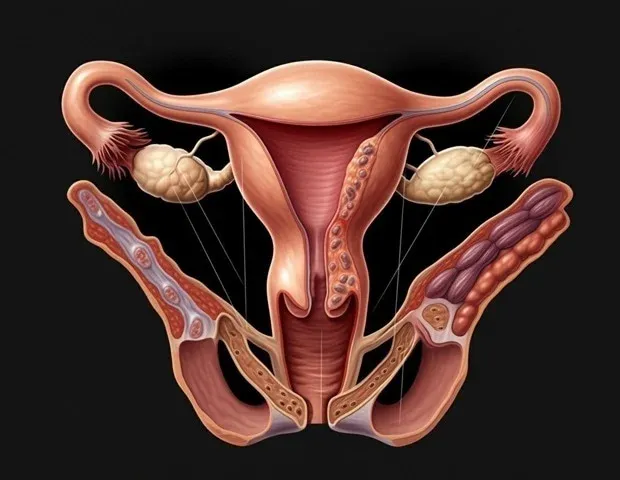
Global study exposes gaps in global endometriosis care guidelines - News-Medical
Adolescents, gender-diverse people and those with lived experience are underrepresented in endometriosis guidelines worldwide, a University of Queensland study has found. The global study, with researchers from the World Health Organization, World Endometriosis Society senior board members, and patient group representatives, analyzed endometriosis guidelines from 47 countries including 19 published in languages other than English.
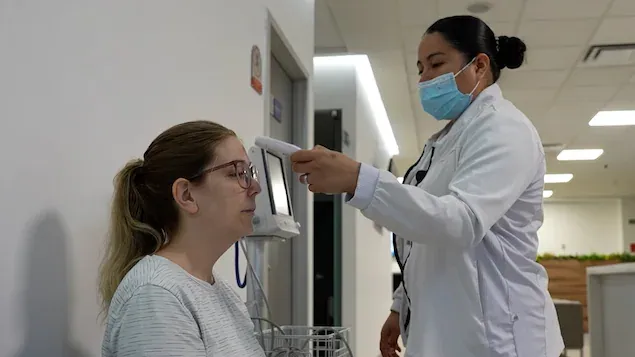
’We can’t deal with it in Canada’: Some women turn to Mexico for endometriosis care - Radio-Canada
RCIPosted: October 12, 2026 9:43 AMJorge Barrera (new window) · CBC News Noelle Menu, 37, says the pain began to darken her reality at a pivotal moment in her life — once she and her husband decided to try for kids, when she was 26. She stopped taking her birth control, which she had been on for a long period, and said she began experiencing pain she'd never had before. The pain came to define and limit her life, she said, and it seemed nothing could relieve it. She suffered through delays in diagnosis, as well as emergency room visits, a hysterectomy and being placed on waitlists stretching years to see specialists and receive treatment.

Bioengineer.org | Viral blips during HIV therapy are common and rarely signal treatment failure, Swedish study finds - European AIDS Treatment Group
Bioengineer.org news storyFor people living with HIV, modern antiretroviral therapy can suppress the virus to levels below what standard laboratory tests can detect. Yet some patients on long-term treatment experience a curious phenomenon: a single test result showing a small, transient amount of virus in the blood, followed by an immediate return to undetectable levels. These events, known as viral blips, have puzzled clinicians and researchers for years, raising questions about whether they represent harmless statistical noise, brief bursts of viral production from hidden reservoirs, or early warnings of impending treatment failure. A new nationwide Swedish study, published in BMC Infectious Diseases, offers one of the most comprehensive answers to date. Drawing on the Swedish national InfCareHIV cohort, researchers analyzed data from 4,210 treatment-naïve adults who began antiretroviral therapy from 1 January 2007 onward, with follow-up data extracted through 30 September 2020. The median observation time was 5.5 years, with some individuals followed for as long as 13.7 years.
0 comments
No comments yet. Be the first to share your thoughts!