Egypt's First Kings May Have Been Buried With Human Sacrifices - ScienceAlert
This story deserves to be shared
Send it to someone who'd care, or post it on your networks.
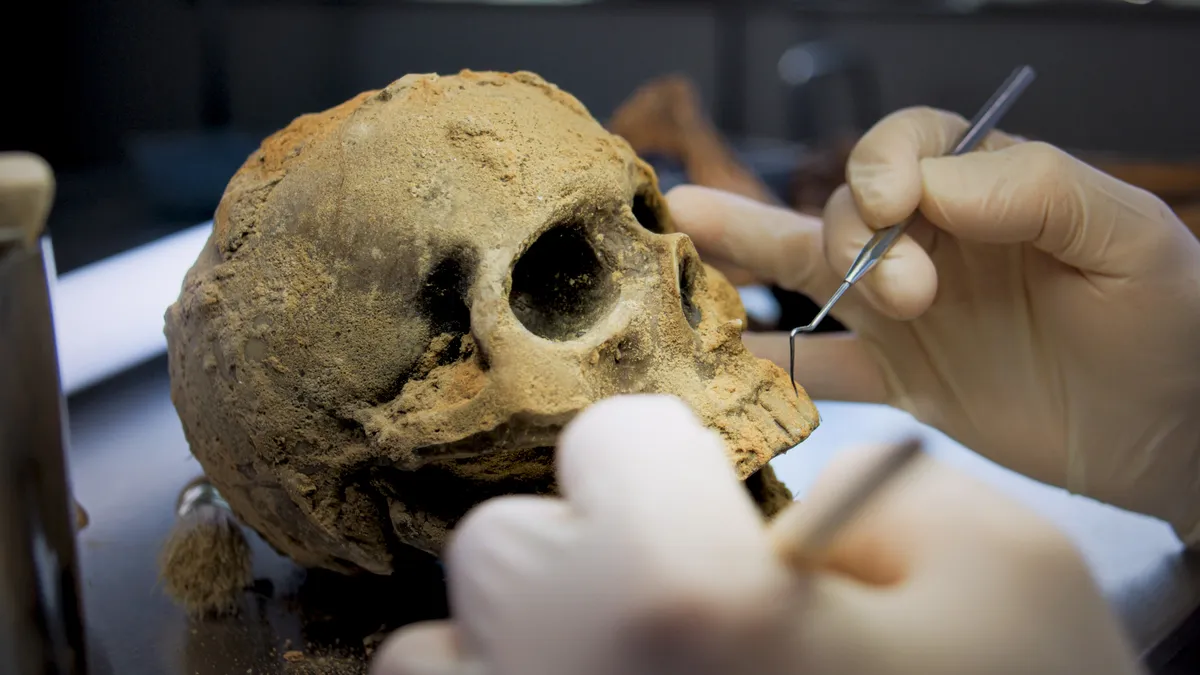
Illustrative generic image of a skull in a laboratory. (EvgeniyShkolenko/iStockphoto/Getty Images)
You might have read somewhere that in ancient Egypt, royalty were often buried with people sacrificed to serve them in the afterlife, but archaeologists aren't actually so sure about that. When British Egyptologist Flinders Petrie excavated graves surrounding the tombs of ancient Egyptian First Dynasty kings in the 1920s, he found the remains of many more people – hundreds, in some cases. At the time, he suspected the people in these satellite graves could have been sacrificed shortly after each king's death, in what is known as a retainer sacrifice. But Petrie was unable to find evidence for how these people died, a gap that has left this theory open to doubt. Archaeologist Roselyn Campbell, of Purdue University in the US, has been revisiting Petrie's work with a modern forensic approach, confirming that 18 of the 46 skulls Petrie preserved and brought back to England show signs of potentially lethal injuries. She presents her findings in a new paper, published today in Frontiers in Environmental Archaeology.
This article is an excerpt. To read the full content, visit the original source. ScienceAlert
Related articles
5,000-year-old skull fractures reveal human sacrifices in Ancient Egypt - Popular Science
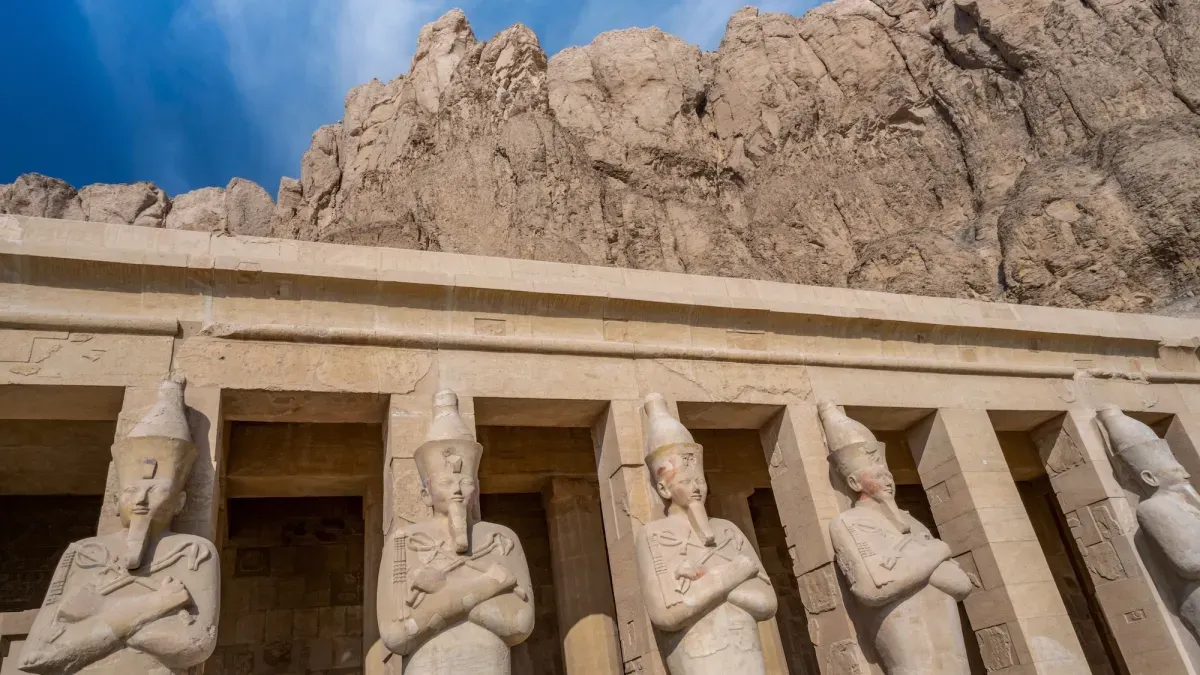
Osiride statues of Hatshepsut, a standing statue of a pharaoh in the form of a mummy set on the upper terrace of the Pharaoh Queen. Forensic reexaminations of 5,000-year-old skulls indicate over a dozen ancient Egyptian royal attendants met gruesome ends to honor their beloved, deceased pharaohs. The recent findings, detailed in a study published today in the journal Frontiers in Environmental Archaeology, finally explain a collection of cold cases that have puzzled researchers for nearly a century.
0 comments
No comments yet. Be the first to share your thoughts!