Democratic Republic of Congo's Ebola outbreak is now the deadliest in its history - CBC
This story deserves to be shared
Send it to someone who'd care, or post it on your networks.
This article is an excerpt. To read the full content, visit the original source. CBC
Related articles
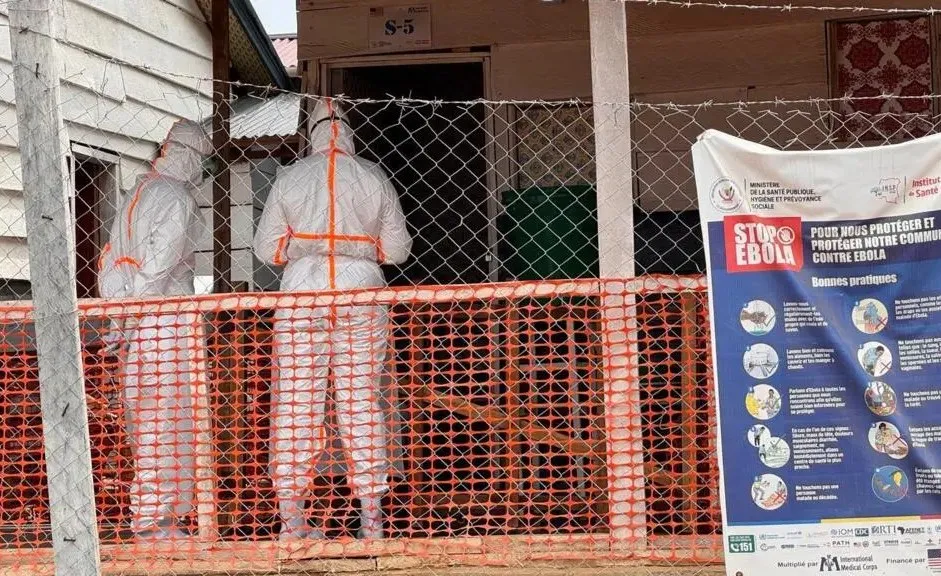
Congo-Kinshasa: Inside Bunia's Fight to Protect Families From DR Congo's Deadliest Ebola Outbreak - allAfrica.com
Efforts to contain Ebola are starting to pay off in Bunia, the capital of the Democratic Republic of Congo's Ituri province and epicentre of the deadliest outbreak of the disease in the country's history. More than 4,000 people have died in five months, but the response is beginning to show results, as teams work to rebuild confidence in health services, protect women and children and support survivors. The outbreak, the 17th in the Democratic Republic of Congo (DRC), has been classified by the World Health Organization as a public health emergency of international concern.
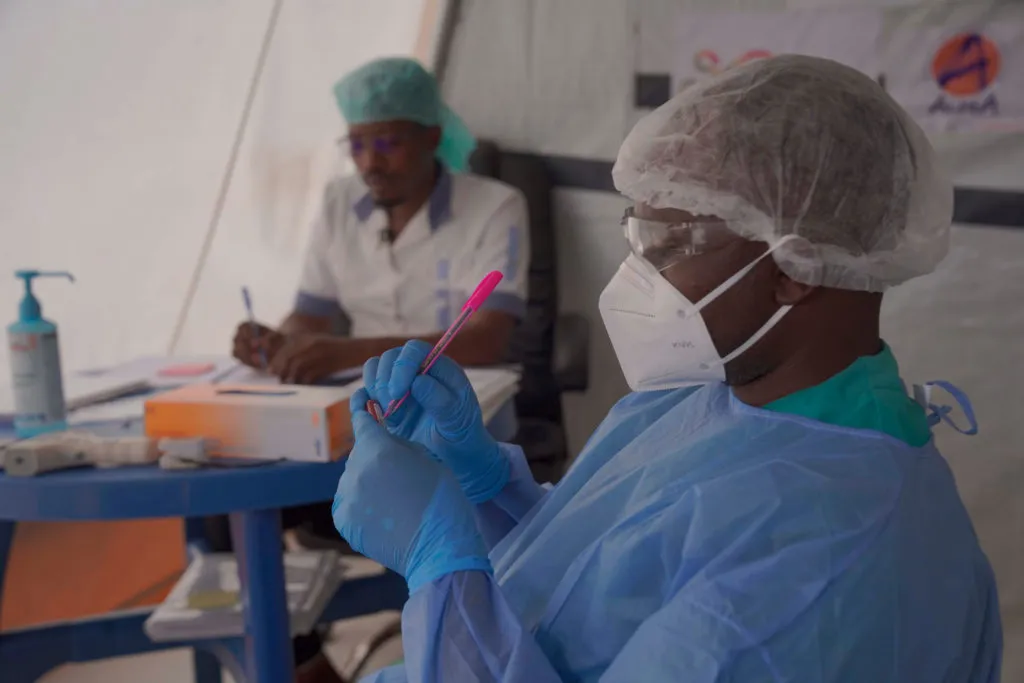
Inside the study for a remedy to fight Congo's deadliest Ebola outbreak - PBS
RWAMPARA, Congo (AP) — More than 250 participants have been enrolled in a trial for a drug that could stop them from contracting Ebola in Congo, in what experts have described as a critical step to try to fight the deadliest outbreak of the disease in the Central African country. The drug is targeted at Bundibugyo virus, which is responsible for the fast-moving outbreak and is without an approved vaccine or treatment. The trial began in July and is one of several studies launched to find some protection and another way of at least slowing the outbreak.

Bioengineer.org | Switching HIV drugs or adding zoledronic acid rebuilds bone lost to tenofovir - European AIDS Treatment Group
Bioengineer.org news storyFor millions of people living with HIV, antiretroviral therapy has transformed a once-fatal infection into a manageable chronic condition. Yet the very drugs that suppress the virus can carry quiet costs, and one of the most insidious is bone loss. Tenofovir disoproxil fumarate, or TDF, has been a cornerstone of HIV treatment worldwide for two decades, prized for its potency, durability, and low cost. But a growing body of evidence has linked TDF exposure to measurable reductions in bone mineral density, raising an increasingly urgent clinical question: once bone has been lost on a TDF-based regimen, can it be recovered? A new prospective cohort study, published in BMC Infectious Diseases, offers some of the most detailed longitudinal evidence to date that the answer, for many patients, is yes. The research team enrolled 223 virologically suppressed men living with HIV who had low bone mineral density while taking TDF-based antiretroviral therapy.
0 comments
No comments yet. Be the first to share your thoughts!