Dalhousie places third in Canada in 2027 Maclean's rankings of mid‑sized universities - Dalhousie University
This story deserves to be shared
Send it to someone who'd care, or post it on your networks.

Dalhousie's strengths propelled it into third spot overall in Canada in the mid-size university category in the 2027 Maclean's University Rankings released this week.
Universities in the category — defined as schools with between 10,000 and 30,000 full-time equivalent students — are ranked on 15 indicators across four key areas with different weights.
This article is an excerpt. To read the full content, visit the original source. Dalhousie University
Related articles
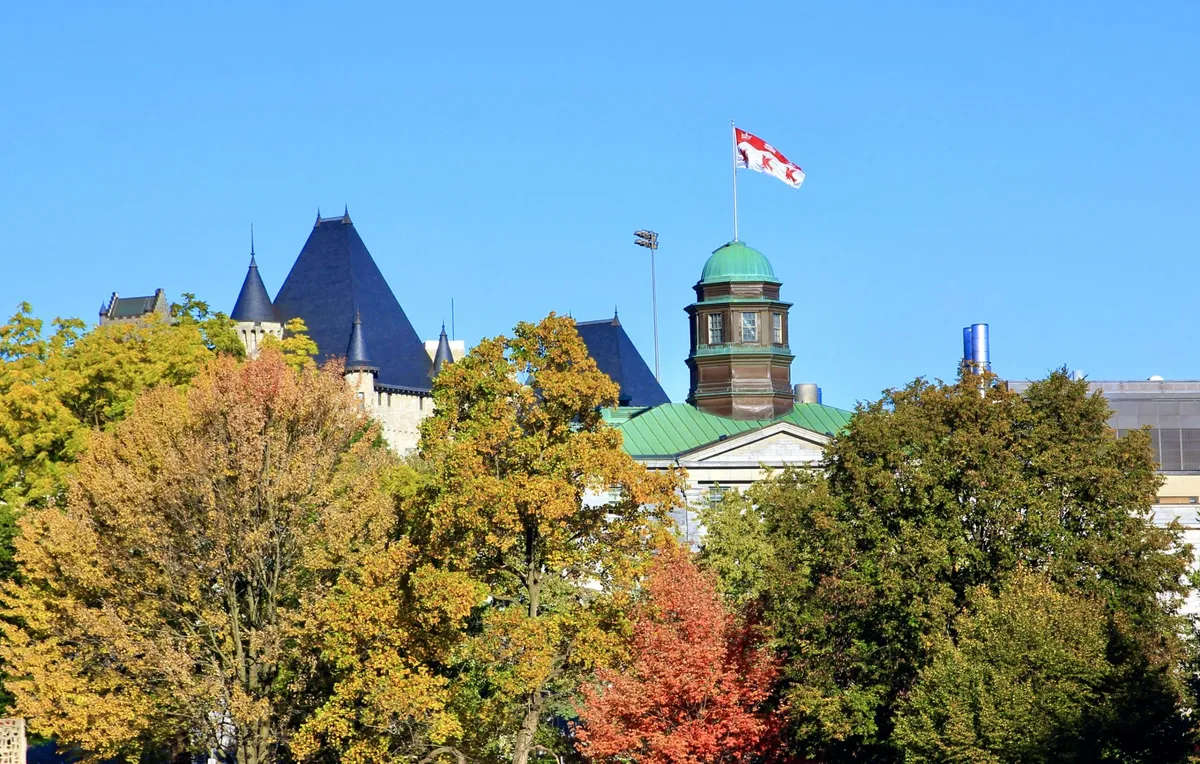
McGill ranked top ‘Large’ university by Maclean’s - McGill Reporter
McGill University has placed first among Canada’s ‘Large’ universities in Maclean’s magazine’s annual rankings, published Oct. 14. Despite a change in methodology and new category types, this marks the 22nd consecutive year the University has ranked first or tied for first. Maclean’s evaluates universities using 15 indicators across four categories: student experience and success, faculty quality, student resources and support, and reputation. Four of those indicators are new this year; retention rate, graduation rate, research volume and research impact. Total research dollars are no longer considered. The rankings now classify universities according to size; Large (more than 30,000 full-time students), Mid-Size (10,000-30,000 full-time students) and Small (less than 10,000 full-time students).

Alberta referendum expected to bring finality, but also more questions on separation - Global News
On Monday, Albertans vote on whether to stay in Canada or hold another binding referendum on quitting Canada. If the vote goes as polls suggest, a majority of Albertans will mark an X to stay in Confederation, and Premier Danielle Smith has said if that’s so, she expects everyone to accept it and move on. Leaders of the independence movement contest that. And political watchers are divided about whether separation — previously a fringe sentiment — will now be a prominent, permanent feature of Alberta’s political landscape, as in Quebec. Julian Castro-Rea, a political-science professor at the University of Alberta who studies the separation debates in Quebec and Alberta, believes as long as Alberta feels alienated from the Canadian capital — feeling that Ottawa benefits from Alberta’s resource economy without giving back — the movement will have fuel. “Even if the referendum is lost, the westernization will still be around, because it’s kind of a way which, traditionally, Albertans have related to the rest of Canada,” says Castro-Rea, who believes western alienation may remain indefinitely. Story continues below advertisement
0 comments
No comments yet. Be the first to share your thoughts!