Could psilocybin treat brain injuries? Neuroscientist explains how psychedelics could fill a gap in head trauma care - Live Science
This story deserves to be shared
Send it to someone who'd care, or post it on your networks.
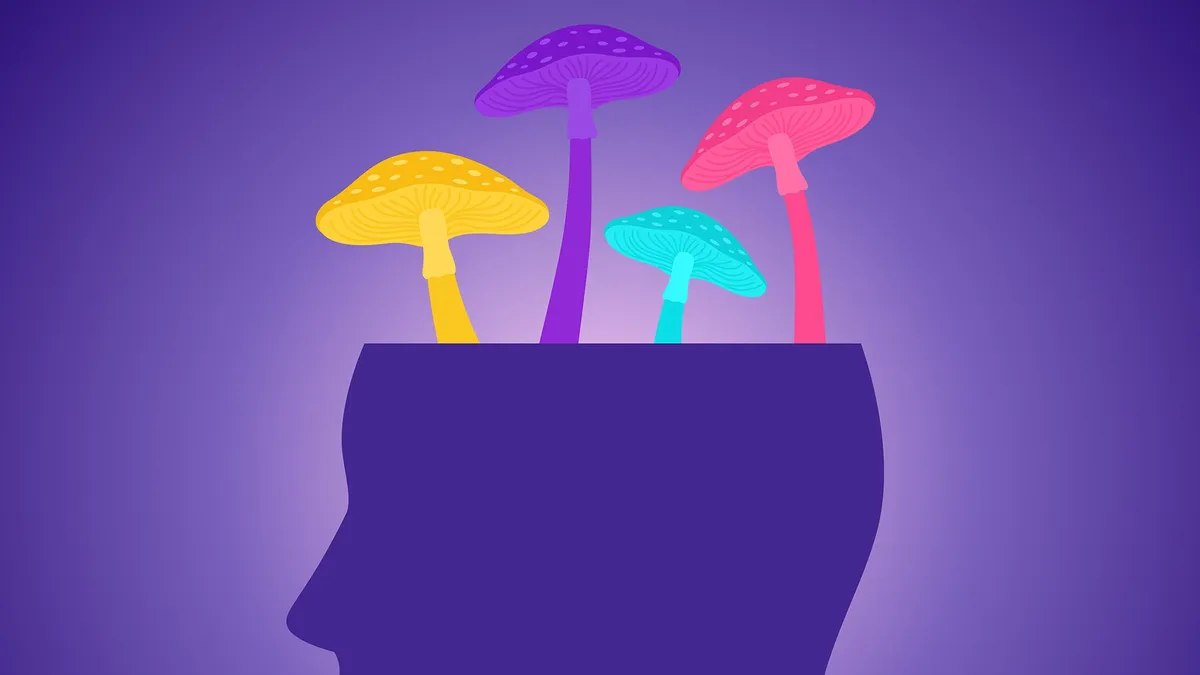
Live Science spoke with neuroscientist Argel Aguilar-Valles about recent research exploring psychedelics as a treatment for mild head trauma.
This article is an excerpt. To read the full content, visit the original source. Live Science
Related articles
From saunas to psychedelics, how a health reporter sorts science from hype - NPR
A reporting trip to a sauna conference in Oslo found NPR's Will Stone in a sauna with his clothes and recording gear. In this reporter's notebook, he explains how he investigates the science behind wellness claims. ELISSA NADWORNY, HOST: NPR's Will Stone reports on that line between proven medical treatments and alternative health practices. WILL STONE, BYLINE: If you're envisioning study subjects smoking weed and sipping free booze, then you have a pretty good picture of this experiment. NADWORNY: Weed versus alcohol, metabolic medicine and, yes, the science of sauna. STONE: It's basically a chance for the sauna world to nerd out. NADWORNY: In September, Will Stone traveled to Oslo, Norway, for the International Sauna Congress. STONE: You have scientists, business operators, advocates. They're all here for a few days to talk about everything from the health benefits to the finer points of sauna culture. NADWORNY: The program included party hopping and heat treatments in, quote, "floating sauna villages. " So for this week's Reporter's Notebook, I wanted to talk to Will about arguably the toughest assignment at NPR. I mean, come on. You got in a sauna in Oslo?
You Have the Power to Become Master of Your Own Reality—and One Neuroscientist Knows How to Unlock It - Popular Mechanics
Here’s what you’ll learn when you read this story:To the late neuroscientist James Doty, “manifestation” may be more than just pseudoscience. Instead of the mysticism commonly associated with the term, Doty theorized that manifestation works by embedding an intention into your subconscious mind, which passively drives you toward accomplishing a goal. This method not only shaped Doty’s life, but perhaps the lives of other figures, too. When Dolly Parton was a poor, young girl growing up in rural Tennessee, she would fashion a fake microphone out of sticks and tin cans and sing to her siblings while dreaming of being on stage at the Grand Ole Opry. “That little microphone just brought me all the way to the top of the world from the top of the Smoky Mountains,” she told People magazine in 2025. Could Parton have manifested these dreams into reality? According to the late James Doty, MD, it’s possible. Doty’s idea of manifestation is not rooted in New Age spiritual practices popular on social media that posit all you need to do is put dreams out into the world and they will come true. Instead, Doty’s method is based in real, practical science.
0 comments
No comments yet. Be the first to share your thoughts!