Could El Niño deliver record warmth to Eastern Canada? - The Weather Network
This story deserves to be shared
Send it to someone who'd care, or post it on your networks.
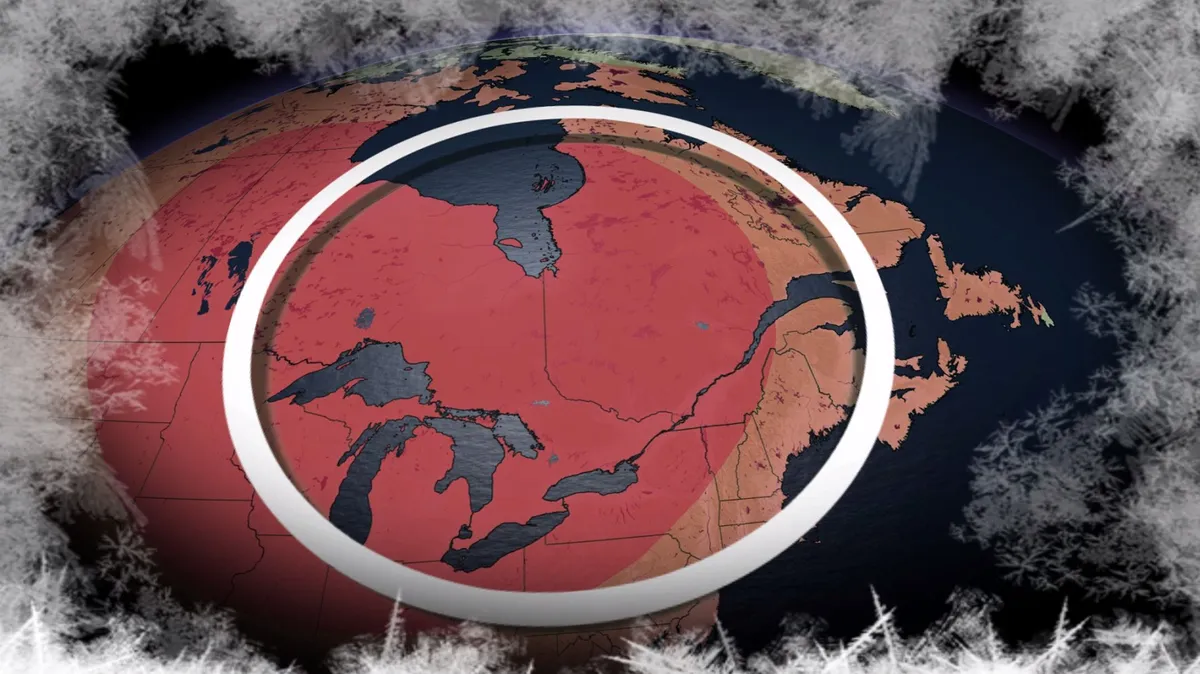
A complex winter season is on the way for folks across the eastern half of Canada as El Niño runs the table through the coming months. But don’t count out the country’s hallmark snow and cold just yet. Even the warmest winter can have quite a few tricks up its sleeve. WINTER SNEAK PEEK: El Niño puts record warmth in playEl Niño rules the roost this winterOne of the most powerful El Niño events on record continues to strengthen as it heads toward a likely peak early this winter. These historically warm Pacific waters have a profound effect on weather patterns from Cambodia to Canada. Past years dominated by strong El Niño events featured very warm winters as a whole. The winter of 2023-2024 holds the record for Canada’s warmest winter ever observed, after all. Above-seasonal temperatures are expected throughout almost all of Eastern Canada through the early winter months. Given current patterns and how previous years have unfolded, there’s high confidence in a very mild and potentially record-breaking December. The greatest opportunity for well-above normal temperatures exists over Ontario and southern Quebec. Content continues belowRELATED: El Niño vs.
This article is an excerpt. To read the full content, visit the original source. The Weather Network
Related articles
Ancient warmth helped flowering plants dominate Earth, study finds - CGTN
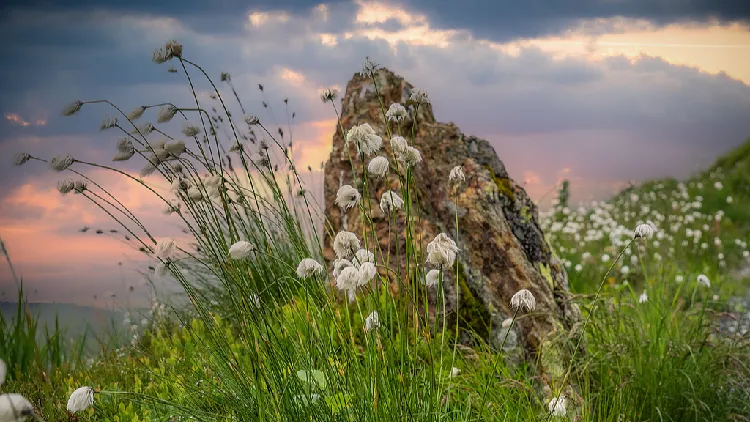
Plants with white, cotton-like tufts grow on a rocky hillside. /VCG Plants with white, cotton-like tufts grow on a rocky hillside. /VCG
Extreme warmth drives plant extinctions, diversity booms: study - Xinhua
MELBOURNE, Oct. 16 (Xinhua) -- Extreme global warmth drove both mass extinctions and explosions in plant diversity during two periods over the past 140 million years, offering new insights into how flowering plants became dominant on Earth, a new study has found. The study examined fossilized pollen and spores to show that the mid-Cretaceous and early Cenozoic periods of extreme global warmth were central to plant evolution, both for flowering plants and the other main types on Earth, according to a statement released Thursday by Australia's University of Tasmania (UTAS). Researchers said that land plants sustain almost all terrestrial animals, fungi and bacteria, while flowering plants are the most productive and diverse group, with about 400,000 species worldwide. The team examined more than 60,000 fossil occurrences and applied methods that overcome the major biases in the fossil record, generating revised estimates of fossil pollen and spore diversity over the past 130 million years, according to the study published in Nature Plants.

Runners Take on Cape to Cabot Challenge Tomorrow - VOCM
The 20th annual Cape to Cabot road race is taking place tomorrow. The grueling 20 km trek sees participants running from one historic landmark to another: From Cape Spear to Cabot Tower on top of Signal Hill. The race starts at 8 a.m., and because of that there are a few related road closures in St. John’s. Between 7:45 and 11a.m. there will be numerous road closures along the route. A full list can be found online at VOCM dot com. Expect traffic impacts from 7:45 a.m. to 11 a.m. on routes including Blackhead Road, Southside Road, Water Street, Harbour Drive, Duckworth Street, Temperance Street and Signal Hill Road.

Alberta referendum expected to bring finality, but also more questions on separation - Global News
On Monday, Albertans vote on whether to stay in Canada or hold another binding referendum on quitting Canada. If the vote goes as polls suggest, a majority of Albertans will mark an X to stay in Confederation, and Premier Danielle Smith has said if that’s so, she expects everyone to accept it and move on. Leaders of the independence movement contest that. And political watchers are divided about whether separation — previously a fringe sentiment — will now be a prominent, permanent feature of Alberta’s political landscape, as in Quebec. Julian Castro-Rea, a political-science professor at the University of Alberta who studies the separation debates in Quebec and Alberta, believes as long as Alberta feels alienated from the Canadian capital — feeling that Ottawa benefits from Alberta’s resource economy without giving back — the movement will have fuel. “Even if the referendum is lost, the westernization will still be around, because it’s kind of a way which, traditionally, Albertans have related to the rest of Canada,” says Castro-Rea, who believes western alienation may remain indefinitely. Story continues below advertisement
0 comments
No comments yet. Be the first to share your thoughts!