Comebacks for wild tigers, tuna and sea turtles prove nature loss can be reversed, scientists say - The Guardian
This story deserves to be shared
Send it to someone who'd care, or post it on your networks.
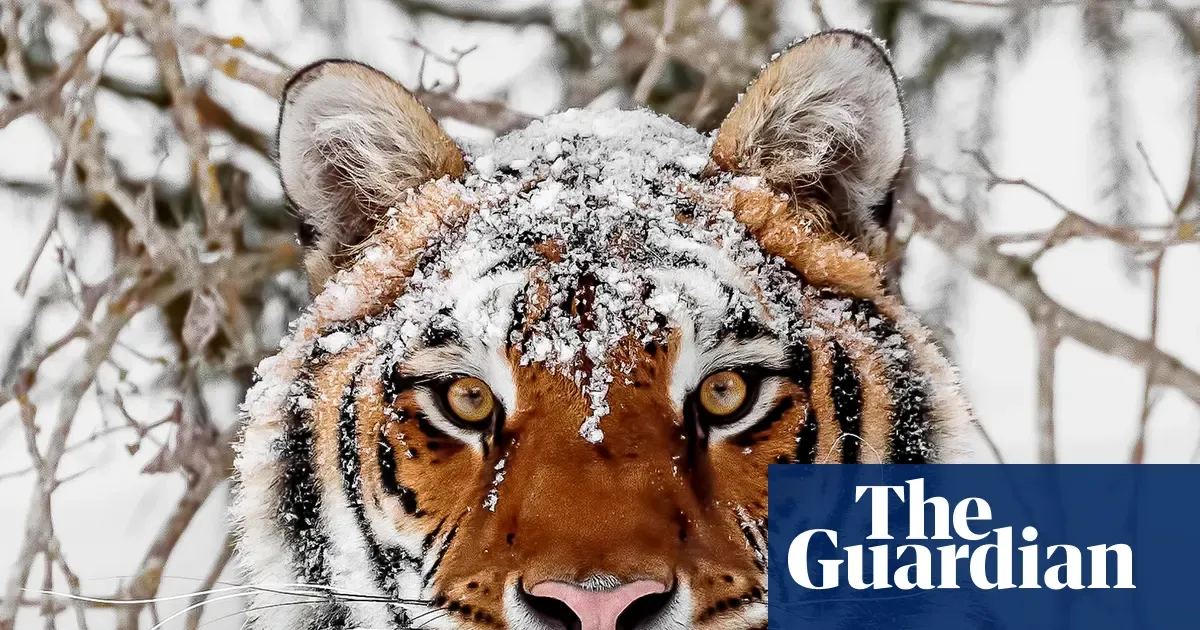
Conservation comebacks for wild tigers, tuna and green sea turtles prove that global nature loss can be reversed, scientists have said. But a report warns food production must be the next “positive tipping point” if the world is to avert biodiversity collapse. The World Wildlife Fund (WWF) analysed nearly 36,000 animal populations and more than 5,000 species, producing the largest ever database of vertebrate wildlife. Scientists found populations had declined by an average of 73% since 1970, showing that “nature continues to be degraded at an alarming scale”, with “no sign of losses slowing”. Nature loss is no longer just an environmental challenge but a direct threat to the global economy, the report says, noting that about half of global GDP – roughly $58tn (£44tn) in 2023 – depends on nature and its ecosystem services. The authors write that species collapse now poses an “existential threat to economic stability, geopolitical security and human wellbeing”. Animal populations were found to be falling most sharply in tropical, biodiversity-rich regions, while trends in northern temperate parts of the world appeared much gentler.
This article is an excerpt. To read the full content, visit the original source. The Guardian
Related articles

Soil Science and Sea Turtles: A UToledo Senior’s Case for Hands-On Learning - UToledo News
Rosalie Cufr has built a University of Toledo experience defined less by the classroom and more by what she’s done outside it in agricultural fields, in a gas chromatography lab and on a research trip to Trinidad that she calls a “cultural awakening.” Cufr started college studying molecular biology before finding that a related discipline was where she belonged.
0 comments
No comments yet. Be the first to share your thoughts!