Citizen science keeps tabs on biodiversity - Cornwall Seaway News
This story deserves to be shared
Send it to someone who'd care, or post it on your networks.
This article is an excerpt. To read the full content, visit the original source. Cornwall Seaway News
Related articles
Ancient Submerged Forests Found to Rival Coral Reefs in Biodiversity Off Mozambique Coast - ATTA® Travel
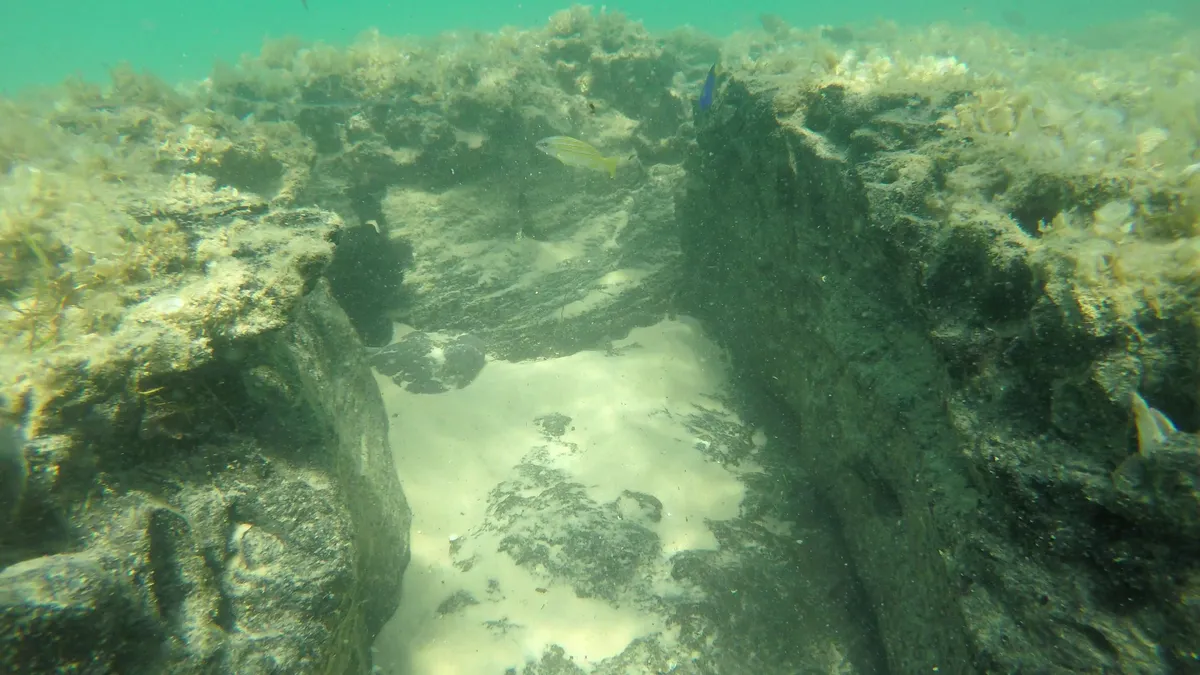
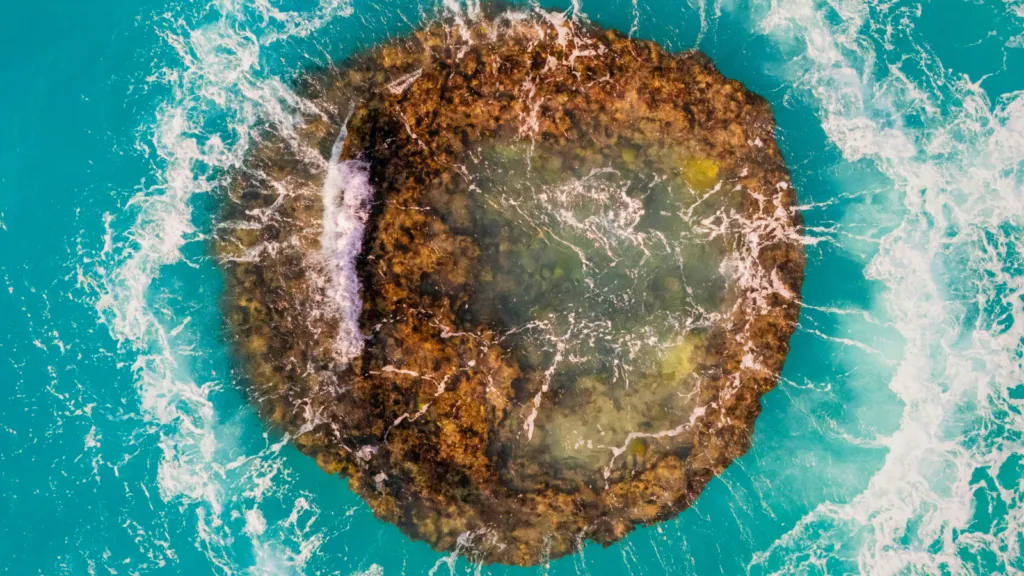
Researchers from the Bazaruto Center for Scientific Studies (BCSS) Ocean Observatory have documented submerged "peat reefs" in the shallow waters of Mozambique's Bazaruto Archipelago, finding that ancient coastal forests - now lying beneath the sea - support marine biodiversity comparable to coral reefs. Published on 12 October in Scientific Reports, the study is believed to be the first ecological research into tropical peat reefs from a biodiversity perspective, with radiocarbon dating placing peat formation between roughly 300 and 5,000 years ago. The reefs, sitting just 2 - 4 metres deep, host no living coral yet shelter dozens of fish species, spiny lobsters, oysters and juvenile reef fish, alongside larger species including sharks, rays and turtles. The findings carry significant implications for coastal conservation and blue economy policy. Some peat samples contain up to 40% organic carbon by dry weight, raising questions about their potential role as legacy carbon stores - though researchers note that the peat reefs' present-day carbon cycling function remains unresolved and requires further dedicated study.
Drowned 5,000-year-old forests reborn as thriving peat reefs and biodiversity hotspots off Mozambique - Phys.org
Peat reef habitat fauna, a bluebanded snapper. Researchers from the Bazaruto Center for Scientific Studies (BCSS) Ocean Observatory have documented ancient forests that grew on the Mozambican coast thousands of years ago and have been found beneath the sea, where they now serve as hotspots teeming with marine life similar in biodiversity to coral reefs. The discovery raises the question of how many more of these hidden peat reefs exist around the world's coastlines and how to evaluate them as a carbon store and develop policies to protect them and their biodiversity. The paper in Scientific Reports published by the BCSS Ocean Observatory, working in collaboration with researchers from U.
Science Based Targets Network Launches Nature 2.0 to Strengthen Corporate Biodiversity Action - ESG News
Expanded corporate guidance: Science-Based Targets for Nature 2.0 introduces more flexible target-setting pathways, stronger freshwater and land methodologies, and practical implementation tools. Growing corporate adoption: More than 300 companies across 40 countries are engaging with SBTN methods, with over 60 validated targets across 18 companies.
Building a science of biodiversity recovery - Nature
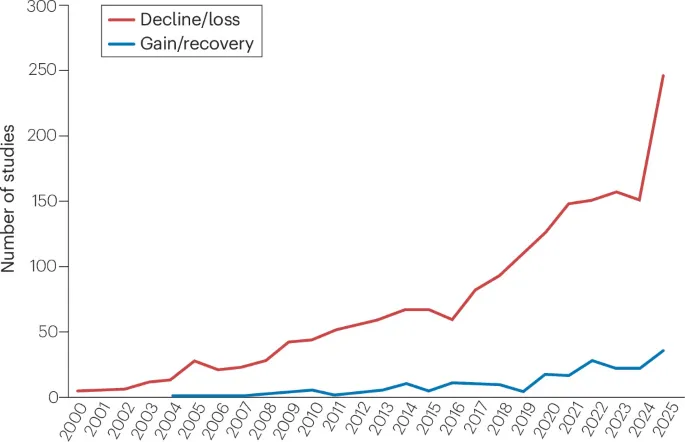
Biodiversity science has built powerful systems for detecting decline, but must now pivot towards defining, explaining and scaling recovery. The 17th Conference of the Parties to the Convention on Biological Diversity should make recovery readiness a priority by calling for outcome-based monitoring, systematic learning from success and failure, and evidence that can guide action when opportunities arise. ReferencesIPBES. Global Assessment Report on Biodiversity and Ecosystem Services https://doi.org/10.5281/zenodo.3831673 (IPBES Secretariat, 2019). Leclère, D. et al. Bending the curve of terrestrial biodiversity needs an integrated strategy. Nature 585, 551–556 https://doi.org/10.1038/s41586-020-2705-y (2020). Article
0 comments
No comments yet. Be the first to share your thoughts!