Canada’s anti-money laundering landscape - Torys LLP
This story deserves to be shared
Send it to someone who'd care, or post it on your networks.

Canada’s anti-money laundering (AML) framework is undergoing a period of rapid transformation, with intensified enforcement by the Financial Transactions and Reports Analysis Centre of Canada (FINTRAC), new legislative proposals, and emerging judicial guidance from the Federal Court. In this article, we synthesize recent developments and their implications for regulated institutions in Canada, with a focus on FINTRAC and its administrative monetary penalties (AMPs). Background
The Financial Action Task Force (FATF) has conducted a mutual evaluation of Canada’s AML and anti-terrorist financing (ATF) regime, with the final report released on September 29. FATF is the standard-setting body for measures to combat money laundering, terrorist financing, and other threats to the integrity of the global financial system; its country assessments carry substantial weight. The assessment found that, since its last mutual evaluation, Canada has taken steps to strengthen its defences against illicit finance, but should improve the effectiveness of risk-based supervision, and prioritize the investigation and prosecution of complex money laundering cases in line with the country’s risk profile.
This article is an excerpt. To read the full content, visit the original source. Torys LLP
Related articles

Bank of America fined $1.2bn for money-laundering failures - The Guardian
Bank of America (BAC. N), has been fined $1.21bn by US regulators for widespread failures to detect potential money laundering and other illicit activity, a penalty the bank said will hurt third-quarter earnings. The US treasury department said the fine, the third-largest in department history, is due to the bank’s failure to report more than $5bn in suspicious activity to the government, including $1bn that posed national security-related and other priority illicit finance risks. “Financial institutions are on the front lines of protecting our economic and national security,” the treasury secretary, Scott Bessent, said in a statement. “When a bank of this size fails to meet its anti-money laundering and sanctions obligations, the consequences extend far beyond its own walls, exposing the entire US financial system to significant illicit finance risks.”The treasury said the bank “prioritized its revenues” in building compliance programs, and overly relied on inquiries from outside parties such as law enforcement and other financial institutions instead of its own internal controls.
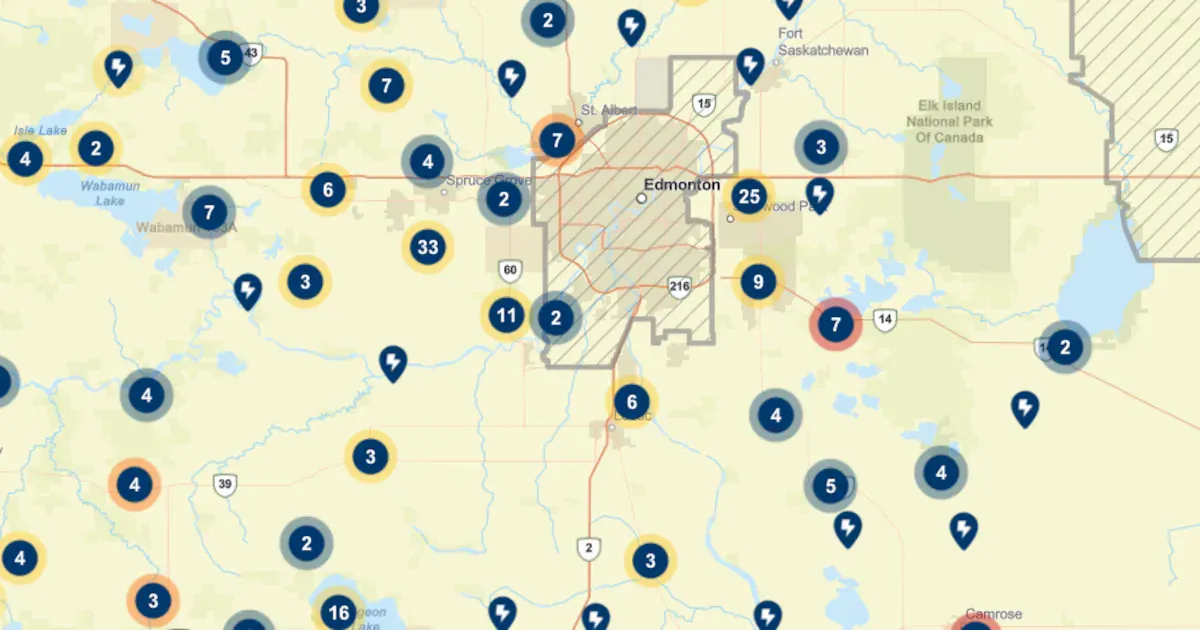
Power outages ramp up as windstorm sweeps through Edmonton and area - CTV News
AtlanticNova ScotiaNew BrunswickPrince Edward Island Newfoundland and LabradorCalgaryLethbridgeKitchenerGuelphNorthern OntarioSudburyNorth BaySault Ste. MarieTimminsOttawaKingstonBrockvillePembrokeReginaYorktonSaskatoonPrince AlbertTorontoWatchWeatherPeelHamiltonDurhamYorkHaltonNiagaraQueen's ParkToronto City HallIn PicturesVancouverVancouver IslandCanadaLocal SpotlightRoyal FamilyPoliticsNanosPower PlayQuestion PeriodFederal Election 2025WorldMideast ConflictRussia-Ukraine WarWatchLatestCaptured on CameraPoliticsLifestyleConsumerHealthExplainedEntertainmentTechnologyDeception DecodedAutosEnvironmentBusinessInflationReal EstateAutos

Electrocution that left Nova Scotia man dead happened during copper wire theft: RCMP - CTV News
AtlanticNova ScotiaNew BrunswickPrince Edward Island Newfoundland and LabradorCalgaryLethbridgeKitchenerGuelphNorthern OntarioSudburyNorth BaySault Ste. MarieTimminsOttawaKingstonBrockvillePembrokeReginaYorktonSaskatoonPrince AlbertTorontoWatchWeatherPeelHamiltonDurhamYorkHaltonNiagaraQueen's ParkToronto City HallIn PicturesVancouverVancouver IslandCanadaLocal SpotlightRoyal FamilyPoliticsNanosPower PlayQuestion PeriodFederal Election 2025WorldMideast ConflictRussia-Ukraine WarWatchLatestCaptured on CameraPoliticsLifestyleConsumerHealthExplainedEntertainmentTechnologyDeception DecodedAutosEnvironmentBusinessInflationReal EstateAutos
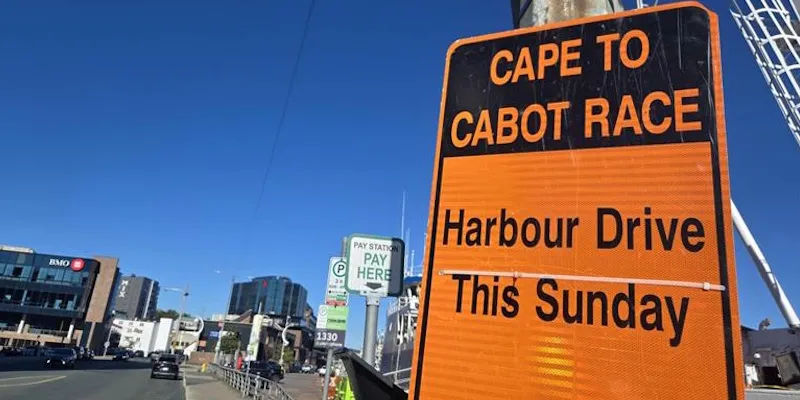
Runners Take on Cape to Cabot Challenge Tomorrow - VOCM
The 20th annual Cape to Cabot road race is taking place tomorrow. The grueling 20 km trek sees participants running from one historic landmark to another: From Cape Spear to Cabot Tower on top of Signal Hill. The race starts at 8 a.m., and because of that there are a few related road closures in St. John’s. Between 7:45 and 11a.m. there will be numerous road closures along the route. A full list can be found online at VOCM dot com. Expect traffic impacts from 7:45 a.m. to 11 a.m. on routes including Blackhead Road, Southside Road, Water Street, Harbour Drive, Duckworth Street, Temperance Street and Signal Hill Road.

Alberta referendum expected to bring finality, but also more questions on separation - Global News
On Monday, Albertans vote on whether to stay in Canada or hold another binding referendum on quitting Canada. If the vote goes as polls suggest, a majority of Albertans will mark an X to stay in Confederation, and Premier Danielle Smith has said if that’s so, she expects everyone to accept it and move on. Leaders of the independence movement contest that. And political watchers are divided about whether separation — previously a fringe sentiment — will now be a prominent, permanent feature of Alberta’s political landscape, as in Quebec. Julian Castro-Rea, a political-science professor at the University of Alberta who studies the separation debates in Quebec and Alberta, believes as long as Alberta feels alienated from the Canadian capital — feeling that Ottawa benefits from Alberta’s resource economy without giving back — the movement will have fuel. “Even if the referendum is lost, the westernization will still be around, because it’s kind of a way which, traditionally, Albertans have related to the rest of Canada,” says Castro-Rea, who believes western alienation may remain indefinitely. Story continues below advertisement
0 comments
No comments yet. Be the first to share your thoughts!