Canada and other G7 nations agree to release 100 million barrels of oil and diesel to curb price spikes - Financial Post
This story deserves to be shared
Send it to someone who'd care, or post it on your networks.
Skip to Content News Archives Economy Defence Energy Oil & Gas Renewables Electric Vehicles Mining Commodities Agriculture Real Estate Mortgages Mortgage Rates Finance Banking Insurance Fintech Cryptocurrency Defence Work Wealth Smart Money Wealth Management Investor Personal Finance Family Finance Retirement Taxes High Net Worth FP Comment Executive Women Puzzmo Newsletters Financial Times Business Essentials More Innovation Information Technology FP500 Podcasts Small Business Lives Told Tails Told Shopping Financial Post Store Obituaries Place a Notice Advertising Advertising With Us Advertising Solutions Postmedia Ad Manager Sponsorship Requests Classifieds Place a Classifieds ad Working Profile Settings My Subscriptions My Offers Newsletters Customer Service FAQ News Economy Energy Mining Real Estate Finance Defence Work Wealth Investor FP Comment Executive Women Puzzmo Newsletters Financial Times Business Essentials HomeEnergyOil & GasCanada and other G7 nations agree to release 100 million barrels of oil and diesel to curb price spikesPledge comes after U. S.
This article is an excerpt. To read the full content, visit the original source. Financial Post
Related articles
IEA says it will release 20 million barrels of diesel ‘as soon as possible’ - Global News
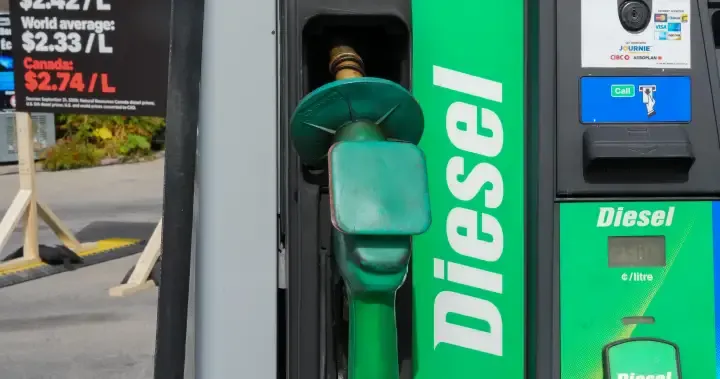
Member states of the International Energy Agency, including Canada, will release 20 million barrels of diesel “as soon as possible” into the global market to ease the pressure on fuel costs, the agency said in a statement. Crude oil exports through the Strait of Hormuz are slowly recovering after more than half a year of conflict between the United States and Iran but oil prices still face volatility, with the rising cost diesel at the centre of the turbulence. In March, IEA members agreed to release more than 400 million barrels of oil from their emergency reserves to calm oil markets. Canada agreed to release a total of 23.6 million barrels – the third highest volume released by an individual member. On Thursday, the IEA confirmed that over 330 million barrels of emergency reserve oil had been released since March, with another 100 million to go. Of the remaining 100 million barrels, 20 million will be released “as soon as possible,” the agency said. Story continues below advertisement

Electrocution that left Nova Scotia man dead happened during copper wire theft: RCMP - CTV News
AtlanticNova ScotiaNew BrunswickPrince Edward Island Newfoundland and LabradorCalgaryLethbridgeKitchenerGuelphNorthern OntarioSudburyNorth BaySault Ste. MarieTimminsOttawaKingstonBrockvillePembrokeReginaYorktonSaskatoonPrince AlbertTorontoWatchWeatherPeelHamiltonDurhamYorkHaltonNiagaraQueen's ParkToronto City HallIn PicturesVancouverVancouver IslandCanadaLocal SpotlightRoyal FamilyPoliticsNanosPower PlayQuestion PeriodFederal Election 2025WorldMideast ConflictRussia-Ukraine WarWatchLatestCaptured on CameraPoliticsLifestyleConsumerHealthExplainedEntertainmentTechnologyDeception DecodedAutosEnvironmentBusinessInflationReal EstateAutos

Runners Take on Cape to Cabot Challenge Tomorrow - VOCM
The 20th annual Cape to Cabot road race is taking place tomorrow. The grueling 20 km trek sees participants running from one historic landmark to another: From Cape Spear to Cabot Tower on top of Signal Hill. The race starts at 8 a.m., and because of that there are a few related road closures in St. John’s. Between 7:45 and 11a.m. there will be numerous road closures along the route. A full list can be found online at VOCM dot com. Expect traffic impacts from 7:45 a.m. to 11 a.m. on routes including Blackhead Road, Southside Road, Water Street, Harbour Drive, Duckworth Street, Temperance Street and Signal Hill Road.

Alberta referendum expected to bring finality, but also more questions on separation - Global News
On Monday, Albertans vote on whether to stay in Canada or hold another binding referendum on quitting Canada. If the vote goes as polls suggest, a majority of Albertans will mark an X to stay in Confederation, and Premier Danielle Smith has said if that’s so, she expects everyone to accept it and move on. Leaders of the independence movement contest that. And political watchers are divided about whether separation — previously a fringe sentiment — will now be a prominent, permanent feature of Alberta’s political landscape, as in Quebec. Julian Castro-Rea, a political-science professor at the University of Alberta who studies the separation debates in Quebec and Alberta, believes as long as Alberta feels alienated from the Canadian capital — feeling that Ottawa benefits from Alberta’s resource economy without giving back — the movement will have fuel. “Even if the referendum is lost, the westernization will still be around, because it’s kind of a way which, traditionally, Albertans have related to the rest of Canada,” says Castro-Rea, who believes western alienation may remain indefinitely. Story continues below advertisement

How Canada’s fractured immigration consensus is starting to show up at ballot boxes - Global News
It’s no secret the long-held Canadian consensus on immigration has fractured — pulled apart by a rapid increase in new arrivals post-pandemic and growing affordability challenges. Now, that fracture is starting to show up at the ballot box. The Parti Québécois won a minority mandate in Quebec on a platform that included promises of tighter immigration controls, which the party linked to protecting French culture and easing pressure on public services and housing. And when Albertans head to the polls Monday to vote on whether to hold a future referendum on separation from Canada, they’ll also be answering five separate questions on immigration being pushed by the government of Alberta Premier Danielle Smith. Those questions include:— Should the province should have more say over economic immigration?— Should provincially funded services should be restricted to citizens, permanent residents and those with “Alberta-approved” immigration status? Story continues below advertisement
0 comments
No comments yet. Be the first to share your thoughts!