Broken Water Systems and Collapsing Health Services in War Zones Help Drug-Resistant Superbugs Thrive, New Publication from UN University and Geneva Water Hub Warns - UNU | United Nations University
This story deserves to be shared
Send it to someone who'd care, or post it on your networks.
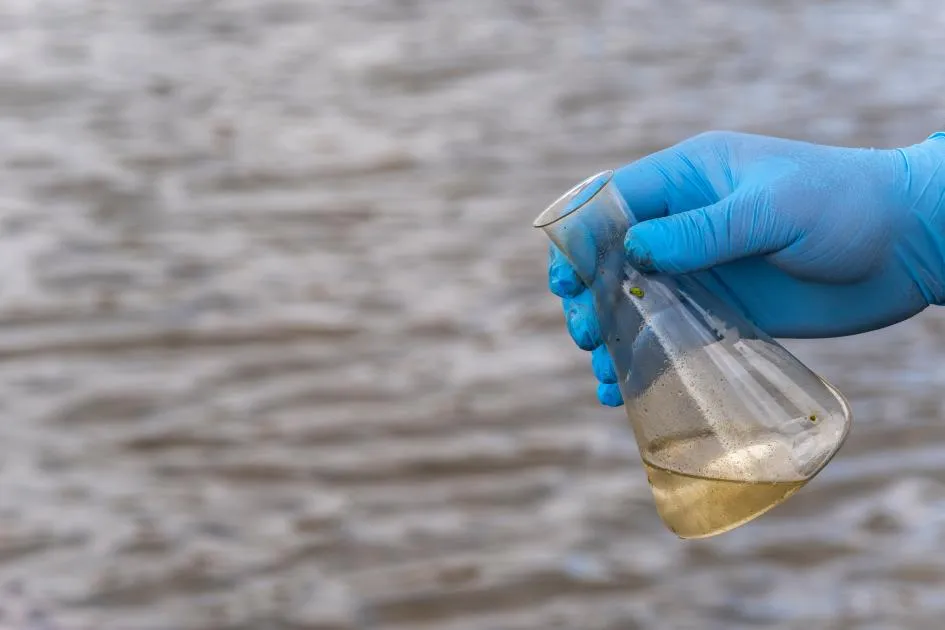
Richmond Hill, Ontario, Canada (9 October 2026) – When governance collapses in war, the basic checks on antibiotic use, water quality and infection control collapse with it. A new publication from the United Nations University Institute for Water, Environment and Health (UNU-INWEH) and the Geneva Water Hub warns that these are the conditions under which antimicrobial resistance (AMR) spreads fastest and furthest, with water carrying resistant bacteria between hospitals, communities and farms, and across national boundaries. The Policy Brief, Antimicrobial Resistance in Water Systems: A One Health Imperative in Fragile and Conflict-Affected Settings, examines how resistant bacteria, resistance genes and antibiotic residues circulate through water across human, animal and environmental interfaces. Written for decision makers in the water, health and humanitarian sectors, the brief sets out practical actions for governments, donors and humanitarian agencies, including in settings where state systems are absent or severely weakened.
This article is an excerpt. To read the full content, visit the original source. UNU | United Nations University
Related articles
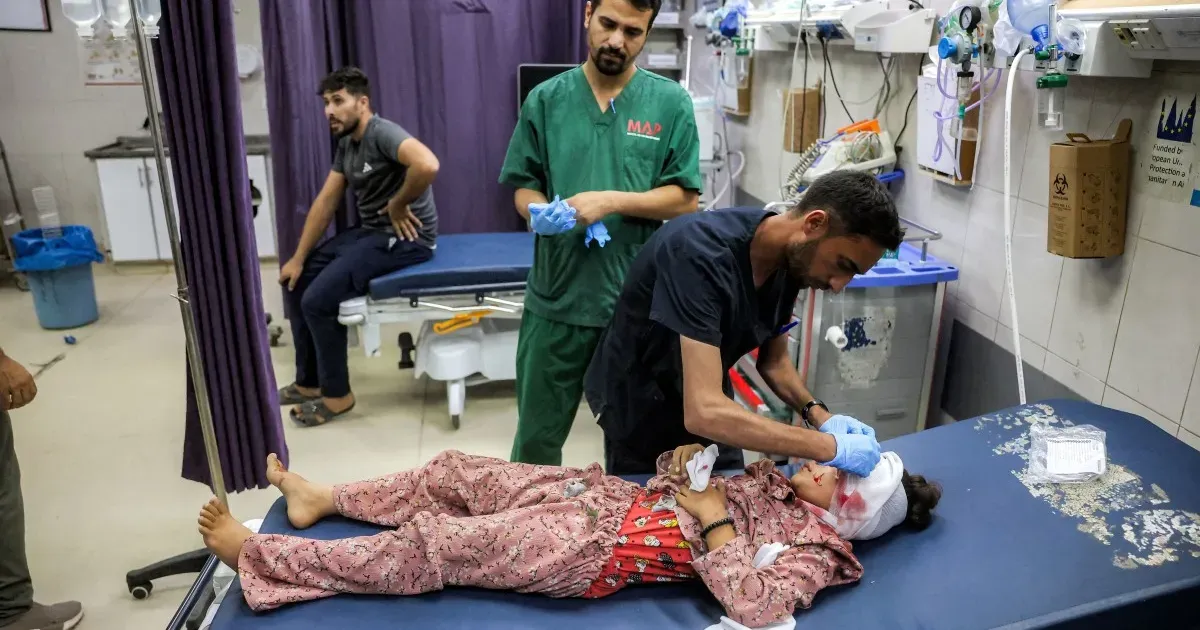
A year after the ‘ceasefire’, Gaza’s healthcare is still collapsing - Al Jazeera
When the “ceasefire” was announced on October 10 last year, we knew how much needed repairing. For the first time in a long while, we thought we might have the breathing space to do it. We thought medicines and equipment could arrive more regularly. Hospitals and clinics could begin to be restored. Patients could leave Gaza for treatment. Emergency medical teams could come from overseas to support Gaza’s exhausted health workers. We could finally look beyond the next crisis and plan how to care for people over the coming months and years. None of that happened. Three years into the genocide, there is barely a moment to catch our breath. We’re being asked to do far more than Gaza’s devastated health system can sustain, while regular deliveries of medical supplies and equipment are still restricted and medical evacuations stalled. People are still arriving at our clinics with traumatic injuries because Israel’s bombardment continues. More than 1,470 people have been killed since the “ceasefire” started. Even reaching a health centre can now put patients at risk.
The Gargantuan Lie That is Collapsing The World’s Climate - Home ❧ Current Affairs

Continuous glucose monitors help type 2 diabetes patients spend 5 more hours a day in healthy blood sugar range - Medical Xpress
Continuous glucose monitors (CGMs) could transform diabetes management for millions of Americans with type 2 diabetes who don't take insulin, according to findings published in the New England Journal of Medicine. The clinical trial found that adults using CGMs spent approximately five additional hours each day within their target blood sugar range compared with those receiving routine care. Nearly twice as many CGM users also achieved an A1c level below 7%, a common treatment goal for people with diabetes.
Wearing headphones during surgery may reduce nausea and vomiting afterward - Medical Xpress
Patients who wore noise-canceling headphones during minimally invasive gynecological surgery were significantly less likely to experience postoperative nausea and vomiting (PONV), suggest findings from a randomized clinical trial presented at the Anesthesiology 2026 annual meeting.

Kefah Mokbel: Can Whole-Genome Sequencing-Based ctDNA Monitoring Help Personalize Adjuvant Treatment? - Oncodaily
“Beyond Detecting Cancer Recurrence: Can Whole-Genome Sequencing-Based ctDNA Monitoring Help Personalize Adjuvant Treatment? An exciting new study published in The Oncologist highlights the clinical potential of Signatera Genome, a whole-genome sequencing (WGS)-based, tumor-informed circulating tumor DNA (ctDNA) assay, not only for detecting molecular residual disease (MRD), but also for potentially informing adjuvant treatment decisions.
0 comments
No comments yet. Be the first to share your thoughts!