As the Lindsay Clancy case highlights postpartum psychosis, a mom stricken by it shares her story of hope - PBS
This story deserves to be shared
Send it to someone who'd care, or post it on your networks.
This article is an excerpt. To read the full content, visit the original source. PBS
Related articles
Should Postpartum Psychosis Be Included in the DSM? - Psychiatric Times
A distinct presentation, a growing evidence base, and specialized clinical expertise support formally recognizing postpartum psychosis in the next DSM update. Mena Mirhom, MD, FAPA, a board-certified psychiatrist and Psychiatric Times section editor, argued that postpartum psychosis should be considered for inclusion in the next iteration or update of the DSM. He said the Lindsay Clancy case and the national conversation around it raise the question for good reason. The DSM-5-TR does not list postpartum psychosis as its own diagnosis. Clinicians instead apply a peripartum-onset specifier to mood disorders, or a postpartum-onset specifier to brief psychotic disorder. Both cover onset during pregnancy or within 4 weeks after delivery.1 Mirhom said the current evidence supports a more specific approach. The Case for InclusionMirhom cited 3 lines of evidence. The first is the nature of the condition itself, which presents in a nuanced and distinct way. The second is the growing research literature on postpartum psychosis.
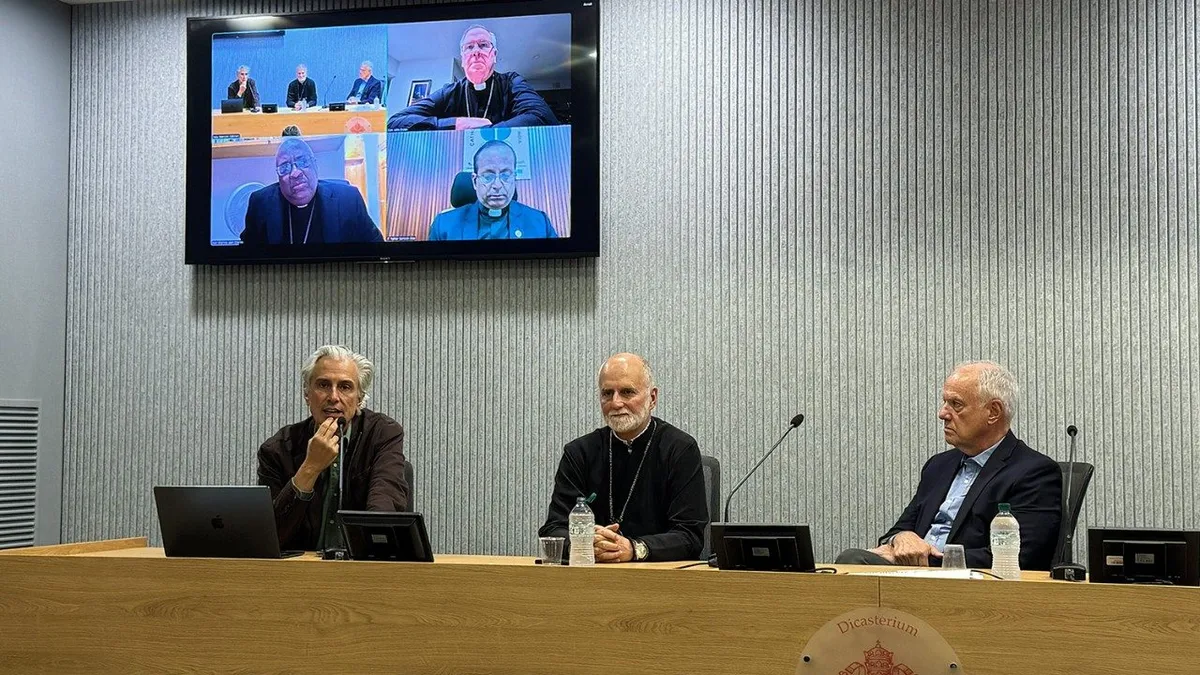
Bishops from violence-stricken countries emphasize importance of mental health - Vatican News
During a press conference at the Vatican at the end of the gathering, “A Healing Presence: The Church’s Call to Mental Health Ministry,” several bishops from countries faced with war, violence and poverty insisted on the importance of ministering to those struggling with mental health, echoing also Pope Leo XIV’s October prayer intention. As Pope Leo XIV encouraged everyone to pray for mental health ministry in the month of October, bishops, pastoral workers, academic experts and more gathered at the Vatican for the conference “A Healing Presence: The Church’s Call to Mental Health Ministry,” to discuss how the Church can support and be close to those struggling with their psychological well-being.
0 comments
No comments yet. Be the first to share your thoughts!