Ancient Hole in Neanderthal Shoulder Blade May Be The Oldest Spear Attack Ever Discovered - ScienceAlert
This story deserves to be shared
Send it to someone who'd care, or post it on your networks.
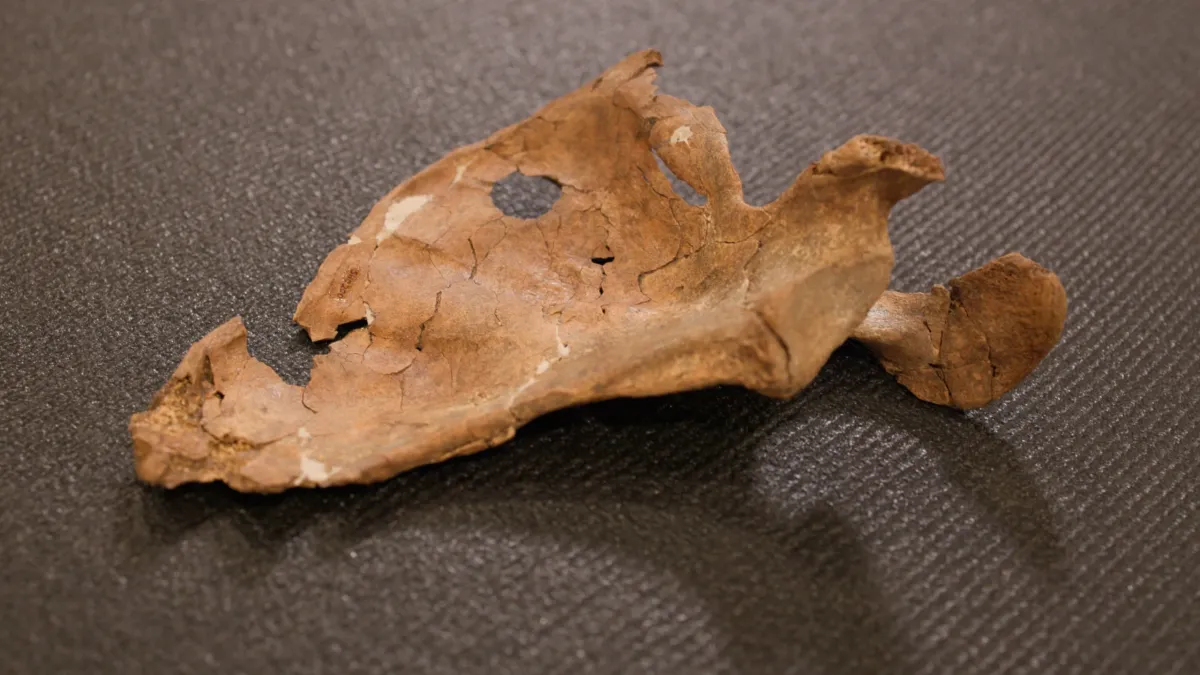
The left scapula of Shanidar A. (University of Cambridge)
When the end came, it must have been very painful. In a moment of violence roughly 75,000 years ago, something sharp pierced the body of the victim, known only as Shanidar A, an adult Neanderthal estimated to be 45 years old. The deadly injury left a gaping 15-millimeter-wide hole in Shanidar A's left shoulder blade. We can't say for sure what made that hole, but in a new study in Scientific Reports, researchers suggest it was probably a spear, meaning this could be the earliest known example of an interpersonal spear attack in the hominin fossil record. "The position of the wound and the force required to push it right through the Neanderthal's body bear the hallmarks of an intended kill shot directed towards the heart," says paleoanthropologist Emma Pomeroy from Cambridge University. In their study, researchers analyzed the remains of Shanidar A, which were excavated in 2019 and 2022 from Shanidar Cave in Iraqi Kurdistan, one of the world's most important archaeological sites for understanding Neanderthal behavior, dating back to fossil discoveries that began in the 1950s.
This article is an excerpt. To read the full content, visit the original source. ScienceAlert
Related articles
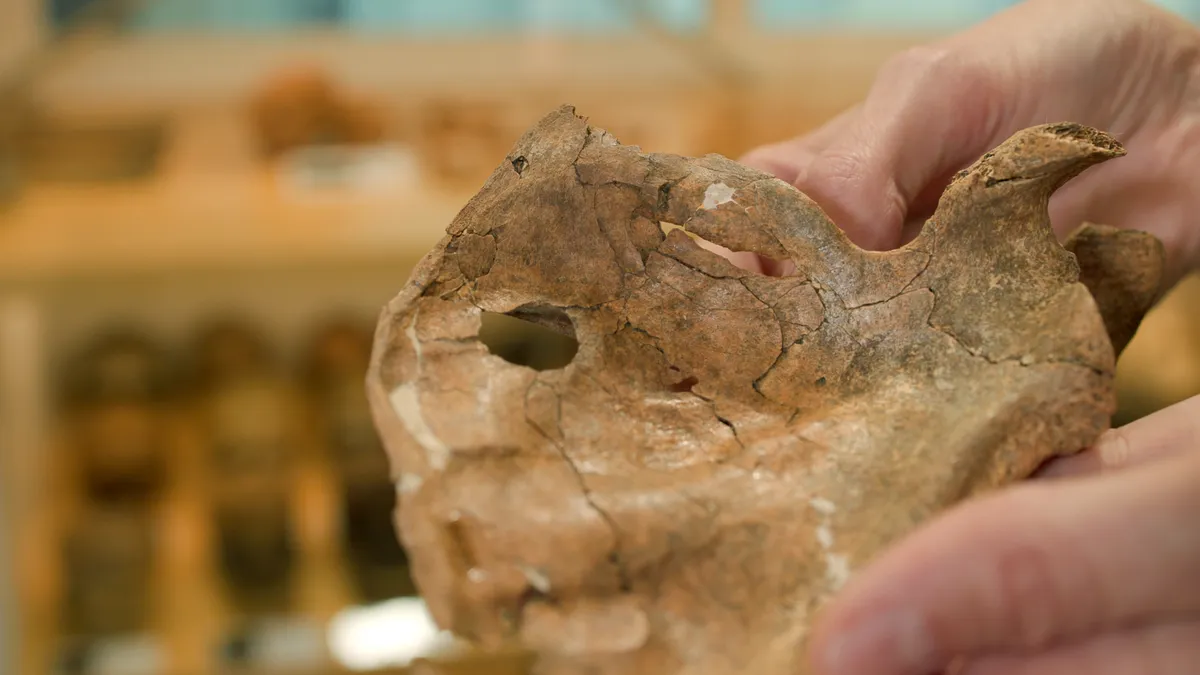
Mysterious hole in Neanderthal shoulder blade may have been a 'kill shot' from a wooden spear, according to archaeologists - Live Science
A rare discovery reveals that 75,000 years ago, a Neanderthal from Shanidar Cave in Iraq died a grisly death, likely from a wooden spear.

Neanderthal murder mystery reveals a tale of violence and compassion - CTV News
AtlanticNova ScotiaNew BrunswickPrince Edward Island Newfoundland and LabradorCalgaryLethbridgeKitchenerGuelphNorthern OntarioSudburyNorth BaySault Ste. MarieTimminsOttawaKingstonBrockvillePembrokeReginaYorktonSaskatoonPrince AlbertTorontoWatchWeatherPeelHamiltonDurhamYorkHaltonNiagaraQueen's ParkToronto City HallIn PicturesVancouverVancouver IslandCanadaLocal SpotlightRoyal FamilyPoliticsNanosPower PlayQuestion PeriodFederal Election 2025WorldMideast ConflictRussia-Ukraine WarWatchLatestCaptured on CameraPoliticsLifestyleConsumerHealthExplainedEntertainmentTechnologyDeception DecodedAutosEnvironmentBusinessInflationReal EstateAutos
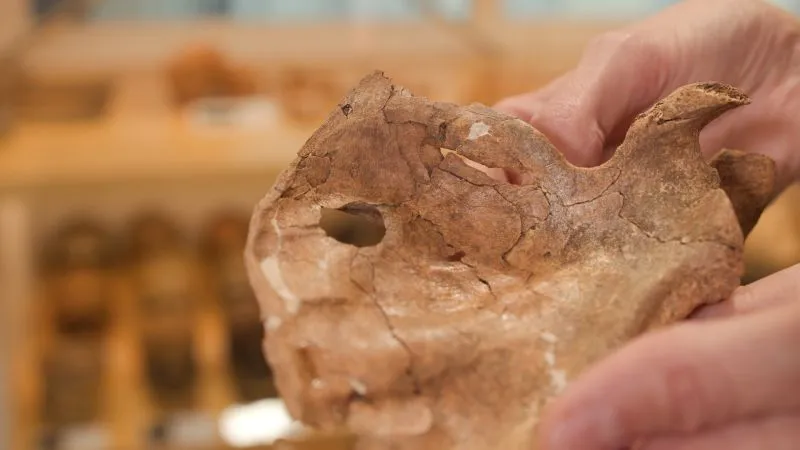
A murder mystery reveals realities of Neanderthal life and death - CNN
New fossil evidence from a Neanderthal burial site could be an early example of homicide among the species — but anthropologists say there’s more to the story.
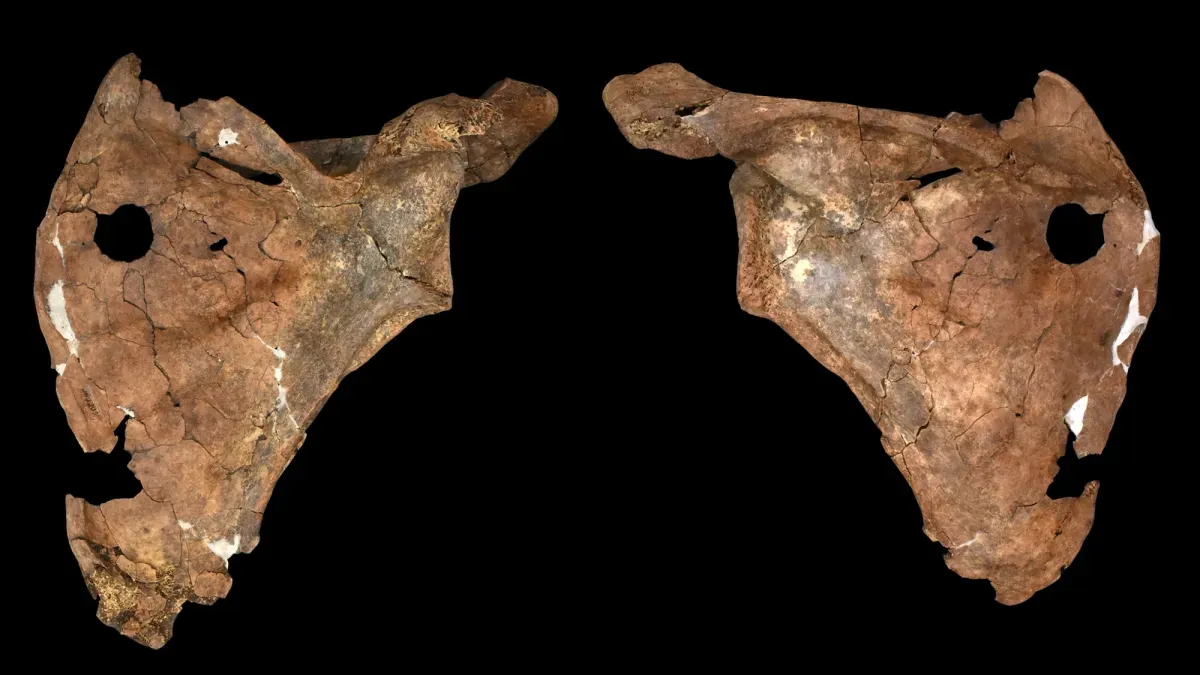
75,000 years ago, this Neanderthal was stabbed with a spear - Popular Science
The angle and force of the blow would have likely severed arteries and pierced a lung. A small puncture wound through a 75,000-year-old Neanderthal shoulder blade may be the earliest evidence of death by spear on humanity’s family tree. Given forensic details such as the entry angle and overall damage, researchers believe the injury was made as an intentionally fatal “heart shot” that killed the ancient hominin within moments. The discovery is detailed in a study published today in the journal Scientific Reports.

'News reports tweaked the science to speak to contemporary anxieties': How Neanderthal extinction is a projection of our own, modern fears - Live Science
In this excerpt from "Neanderthals Among Us," author Peter Sahlins looks at the way Neanderthal extinction theories are often engrained with our own societal fears.

Archaeologists Uncover Unprecedented Evidence of Neanderthal Woodworking Skills - ScienceAlert
We Homo sapiens are pretty damn proud of our tool-making prowess. From smartphones to the humble-yet-mighty wheel, our ability to craft objects to help us attain our goals is something that we've often thought defines us as a species. But tens of thousands of years ago, Homo sapiens were not the only humans with a wide arsenal of tools. In a recent dig at a significant Neanderthal site in Barcelona, Abric Romaní, archaeologists have unearthed a massive cache of wood imprints, several of which appear to be tools. The findings, recently published in Science Advances, suggest our extinct Paleolithic relatives were actually skilled and prolific woodworkers. Of the 597 wood imprints the team discovered, 13 are clearly modified tools and other domestic objects. One of the most exciting objects identified was a wooden club, which seems to have been deliberately shaped for whacking stuff. It's reminiscent of the classic 'caveman' costume prop, but archaeologists have never actually seen anything like it in the prehistoric record. Photograph of the club-shaped impression. (M. D.
0 comments
No comments yet. Be the first to share your thoughts!