Alberta removes habitat protections for endangered greater sage grouse to support industrial development - CBC
This story deserves to be shared
Send it to someone who'd care, or post it on your networks.
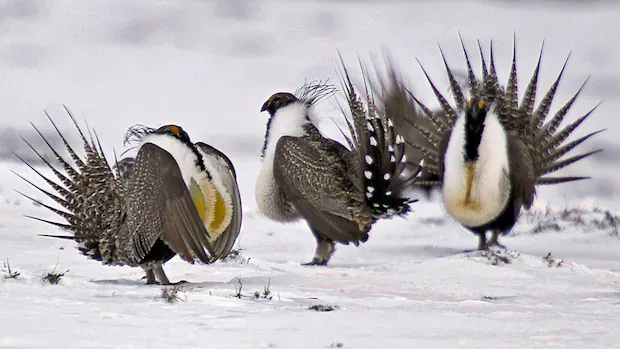
CalgaryHabitat protections for one of Canada's most imperiled animals have been quietly removed by the Alberta government. Through amendments to the Public Lands Act in July, the province eliminated protections for greater sage grouse in designated protection and recovery zones. That same month, helium extraction company Thor Resources had a site approved within the bird's habitat. Fewer than 100 of 'the most endangered vertebrate species in Canada' left in AlbertaAmir Said · CBC News · Posted: Oct 16, 2026 2:00 PM EDT | Last Updated: 7 hours agoListen to this articleEstimated 5 minutesThe audio version of this article is generated by AI-based technology. Mispronunciations can occur. We are working with our partners to continually review and improve the results. Habitat protections for one of Canada's most imperiled animals have been quietly removed by the Alberta government. Through amendments to the Public Lands Act in July, the province eliminated protections for greater sage grouse in designated protection and recovery zones. That same month, helium extraction company Thor Resources had a site approved within the bird's habitat.
This article is an excerpt. To read the full content, visit the original source. CBC
Related articles
Parks Canada bargaining: advancing mental health and first responder protections - Public Service Alliance of Canada
Making scents: could AI help perfumers take pressure off endangered plants? - The Guardian
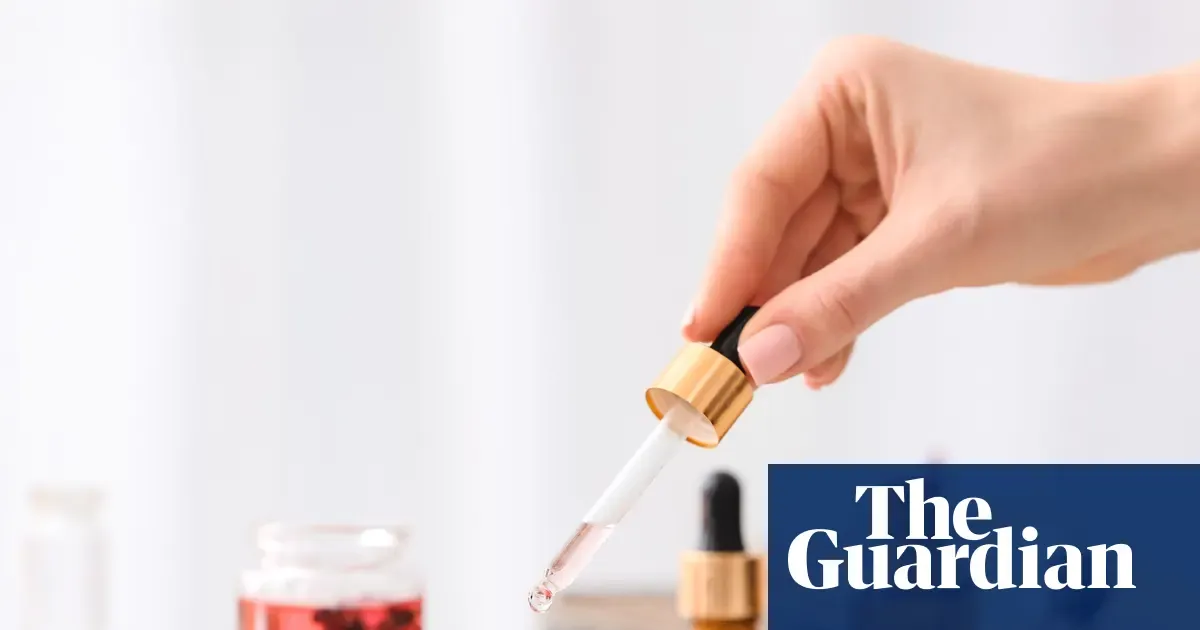
Many of the world’s most expensive perfumes begin with a wounded tree. When some Aquilaria trees are damaged, they produce a dark, fragrant resin that becomes agarwood, or oudh – an ingredient so valuable that wild trees have been illegally felled in its pursuit. The result has devastated wild Aquilaria populations. But what if perfumers could create the smell without cutting down the tree? With the help of AI, scientists are learning to predict how molecules that have never been made will smell, reconstructing scent-producing genes from flowers believed to be extinct. Others have collected microbes from clouds and used them as a starting point for new perfumes. Now scientists and biotechnology companies say advances could soon allow the fragrance industry to reproduce scents and compounds from endangered plants without repeatedly harvesting them. “Being able to recreate the scent of an endangered plant would be a huge win for both the environment but also the brands,” said Alex Wiltschko, the founder of Osmo, a Google Brain spin-off that has raised $130m to develop artificial intelligence capable of predicting and recreating smells.

Electrocution that left Nova Scotia man dead happened during copper wire theft: RCMP - CTV News
AtlanticNova ScotiaNew BrunswickPrince Edward Island Newfoundland and LabradorCalgaryLethbridgeKitchenerGuelphNorthern OntarioSudburyNorth BaySault Ste. MarieTimminsOttawaKingstonBrockvillePembrokeReginaYorktonSaskatoonPrince AlbertTorontoWatchWeatherPeelHamiltonDurhamYorkHaltonNiagaraQueen's ParkToronto City HallIn PicturesVancouverVancouver IslandCanadaLocal SpotlightRoyal FamilyPoliticsNanosPower PlayQuestion PeriodFederal Election 2025WorldMideast ConflictRussia-Ukraine WarWatchLatestCaptured on CameraPoliticsLifestyleConsumerHealthExplainedEntertainmentTechnologyDeception DecodedAutosEnvironmentBusinessInflationReal EstateAutos
0 comments
No comments yet. Be the first to share your thoughts!