Abbott’s Dual Glucose-Ketone Sensing Technology Approved in the U.S. - Breakthrough T1D
This story deserves to be shared
Send it to someone who'd care, or post it on your networks.
This article is an excerpt. To read the full content, visit the original source. Breakthrough T1D
Related articles
Sensing Technologies: Biosensors - Nature
To register and submit an abstract, visit: https://www.sensor-systems.conferences.nature.com/ As advances in biology, engineering, materials science and data analytics converge, biosensors are poised to transform how we detect, monitor and understand the world around us. Fully realising that potential requires a united community excited to turn scientific innovation into solutions that reach the people and sectors that need them most.
Climax Technology Establishes AI Technology Center; New Sensing Platform Targets Q4 2027 Volume Shipments - finance.biggo.com
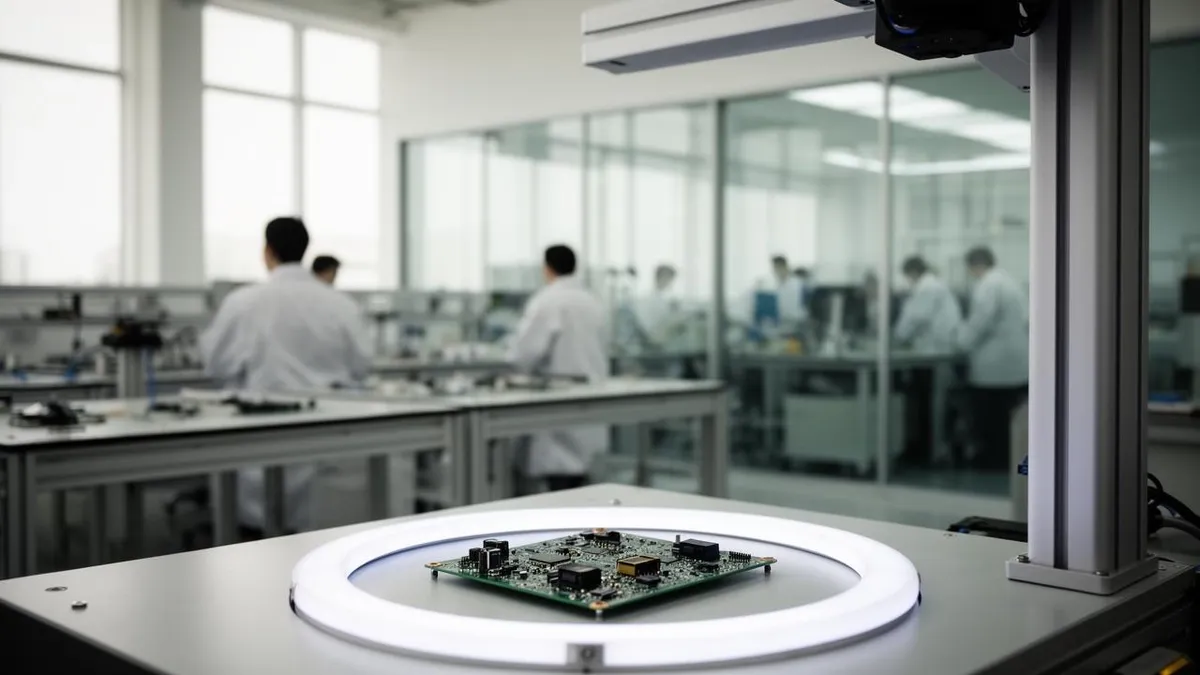
Wireless communications and security equipment maker Climax Technology (7689. TW) held its first institutional investor conference since listing on October 1, announcing that its board of directors has approved the establishment of an "AI and Advanced Technology Center" and has recruited Dr. Chiu Li-cheng, who brings a background in imaging and chip R&D, to serve as Chief Technology Officer. The company also unveiled its first forward-looking initiative: a next-generation AI sensing platform that has already been proposed to existing customers and entered the requirements discussion phase, with sampling targeted for Q3 2027 and small-volume shipments beginning in Q4 2027—formally extending AI capabilities from the imaging domain into non-imaging sensing applications. Chairman and CEO Chang Tsai-fa stated at the earnings call that the company has long been deeply engaged in smart security and remote care, with integrated capabilities spanning sensing, communications, cloud platforms, and end-product development.

Continuous glucose monitors help type 2 diabetes patients spend 5 more hours a day in healthy blood sugar range - Medical Xpress
Continuous glucose monitors (CGMs) could transform diabetes management for millions of Americans with type 2 diabetes who don't take insulin, according to findings published in the New England Journal of Medicine. The clinical trial found that adults using CGMs spent approximately five additional hours each day within their target blood sugar range compared with those receiving routine care. Nearly twice as many CGM users also achieved an A1c level below 7%, a common treatment goal for people with diabetes.

Eating Alone Can Literally Change How Your Body Metabolizes Glucose - ScienceAlert
Dinner by yourself can be a lonely affair. The lack of social connection could change the way that your body processes your meal. A new study published in Science Advances has now found evidence that eating with others could help your body balance your blood sugar levels. In experiments, 108 participants consumed just over 100 grams of white-wheat bread. For the following two hours, researchers tracked their glycemic response. In one scenario, participants ate the bread on their own. In another scenario, they were accompanied by a close companion. In the social scenario, blood sugar levels spiked less and returned to baseline faster than in the alone scenario. The authors argue that this aligns with a "robust phenomenon" in humans. "Blood sugar regulation is not just about what we eat, but who we eat with," explains Shir Atzil from the Hebrew University of Jerusalem in Israel. "Our relationships have an active biological role in our physical well-being. "After the same carbohydrate meal, participants' blood sugar rose less when they ate with a close companion (blue) than when they ate alone (red).
Amazon deal has shaved 33% off this popular TP-Link WiFi 7 router - PC Guide
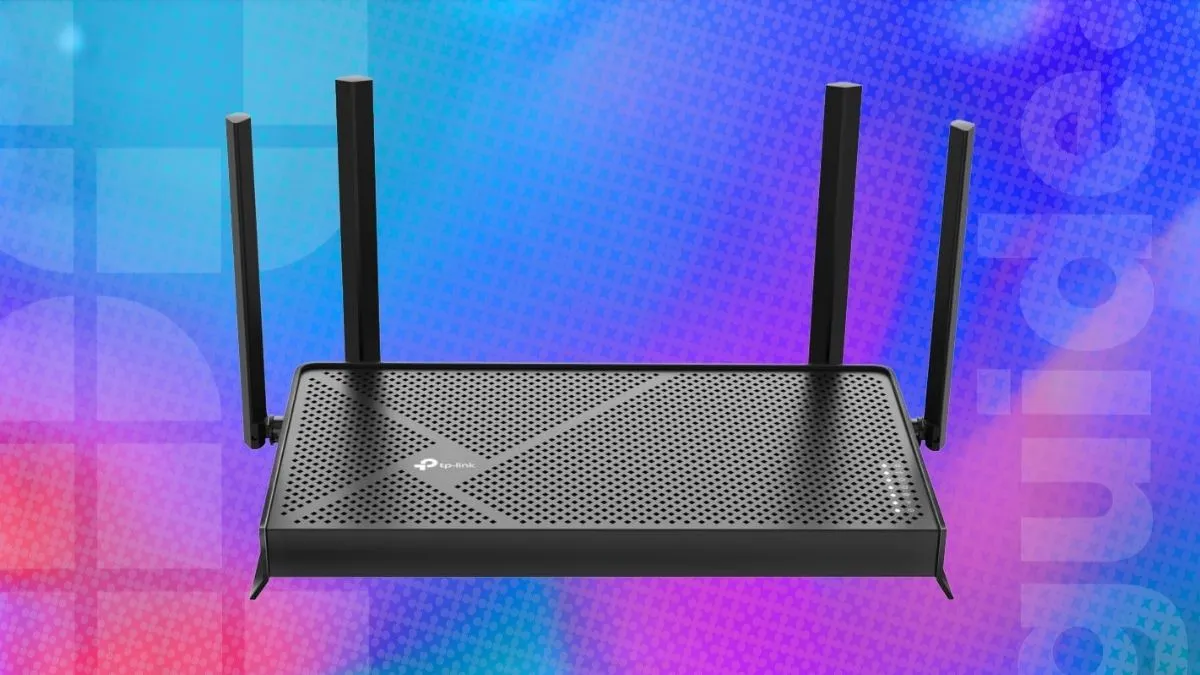
Upgrading to a WiFi 7 router just got easier PC Guide is reader-supported. When you buy through links on our site, we may earn an affiliate commission. Read More
0 comments
No comments yet. Be the first to share your thoughts!