A teen tried to navigate Canadian mountains with Claude. His trek ended in an emergency rescue - The Guardian
This story deserves to be shared
Send it to someone who'd care, or post it on your networks.
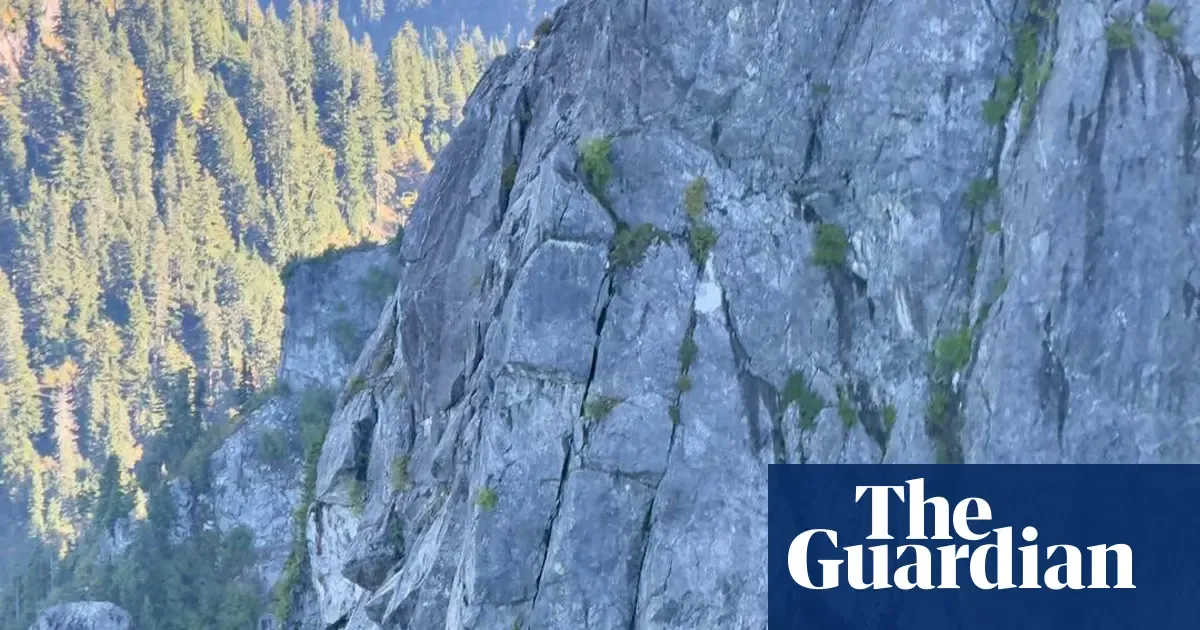
The route up the Widowmaker Arete, a 1,700ft wall in British Columbia, is deceptively described as “mostly easy slab climbing”, interspersed with “short steep sections that can include finger cracks” and “blocky face climbing”. It requires careful planning, and the right equipment. When 16-year-old Bryce Vincent Gowryluk found himself facing its sheer headwall last week, he had neither. He did, however, ask the AI chatbot Claude for directions. Last week, Gowryluk had to be rescued after those directions proved wildly incorrect, in the latest incident to raise questions about the growing reliance on digital maps for wilderness navigation. On Saturday morning, Gowryluk took a gondola up to the top of Grouse Mountain and, while ascending, asked Claude to plan a route to nearby Crown Mountain and back. After navigating scree and more than 2,000ft of elevation gain, the summit promises 360-degree panoramic views of Greater Vancouver, the Fraser valley and the Capilano watershed. Typically, the trek takes eight hours and hiking guides warn it is not for beginners.
This article is an excerpt. To read the full content, visit the original source. The Guardian
Related articles

Torngat Mountains National Park - Parks Canada
Parks Canada asks any potential Researchers to have their Research Permit Applications submitted before March 1st, 2026, for the 2026 summer field season. Applications received after this date may not be considered until the 2027 season.
Electrocution that left Nova Scotia man dead happened during copper wire theft: RCMP - CTV News
AtlanticNova ScotiaNew BrunswickPrince Edward Island Newfoundland and LabradorCalgaryLethbridgeKitchenerGuelphNorthern OntarioSudburyNorth BaySault Ste. MarieTimminsOttawaKingstonBrockvillePembrokeReginaYorktonSaskatoonPrince AlbertTorontoWatchWeatherPeelHamiltonDurhamYorkHaltonNiagaraQueen's ParkToronto City HallIn PicturesVancouverVancouver IslandCanadaLocal SpotlightRoyal FamilyPoliticsNanosPower PlayQuestion PeriodFederal Election 2025WorldMideast ConflictRussia-Ukraine WarWatchLatestCaptured on CameraPoliticsLifestyleConsumerHealthExplainedEntertainmentTechnologyDeception DecodedAutosEnvironmentBusinessInflationReal EstateAutos
Runners Take on Cape to Cabot Challenge Tomorrow - VOCM
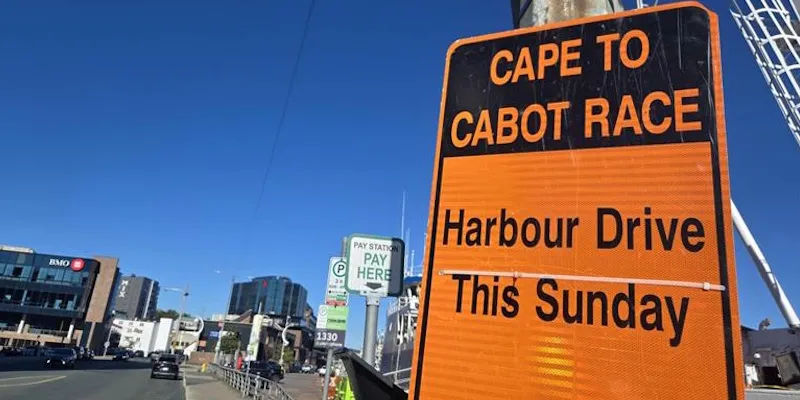
The 20th annual Cape to Cabot road race is taking place tomorrow. The grueling 20 km trek sees participants running from one historic landmark to another: From Cape Spear to Cabot Tower on top of Signal Hill. The race starts at 8 a.m., and because of that there are a few related road closures in St. John’s. Between 7:45 and 11a.m. there will be numerous road closures along the route. A full list can be found online at VOCM dot com. Expect traffic impacts from 7:45 a.m. to 11 a.m. on routes including Blackhead Road, Southside Road, Water Street, Harbour Drive, Duckworth Street, Temperance Street and Signal Hill Road.

Alberta referendum expected to bring finality, but also more questions on separation - Global News
On Monday, Albertans vote on whether to stay in Canada or hold another binding referendum on quitting Canada. If the vote goes as polls suggest, a majority of Albertans will mark an X to stay in Confederation, and Premier Danielle Smith has said if that’s so, she expects everyone to accept it and move on. Leaders of the independence movement contest that. And political watchers are divided about whether separation — previously a fringe sentiment — will now be a prominent, permanent feature of Alberta’s political landscape, as in Quebec. Julian Castro-Rea, a political-science professor at the University of Alberta who studies the separation debates in Quebec and Alberta, believes as long as Alberta feels alienated from the Canadian capital — feeling that Ottawa benefits from Alberta’s resource economy without giving back — the movement will have fuel. “Even if the referendum is lost, the westernization will still be around, because it’s kind of a way which, traditionally, Albertans have related to the rest of Canada,” says Castro-Rea, who believes western alienation may remain indefinitely. Story continues below advertisement
0 comments
No comments yet. Be the first to share your thoughts!