A Molecule Found in Citrus Fruits Could Be a Secret Weapon to Rejuvenate The Liver - ScienceAlert
This story deserves to be shared
Send it to someone who'd care, or post it on your networks.
This article is an excerpt. To read the full content, visit the original source. ScienceAlert
Related articles
Türkiye Protects its Citrus Harvests with Nuclear Science - International Atomic Energy Agency
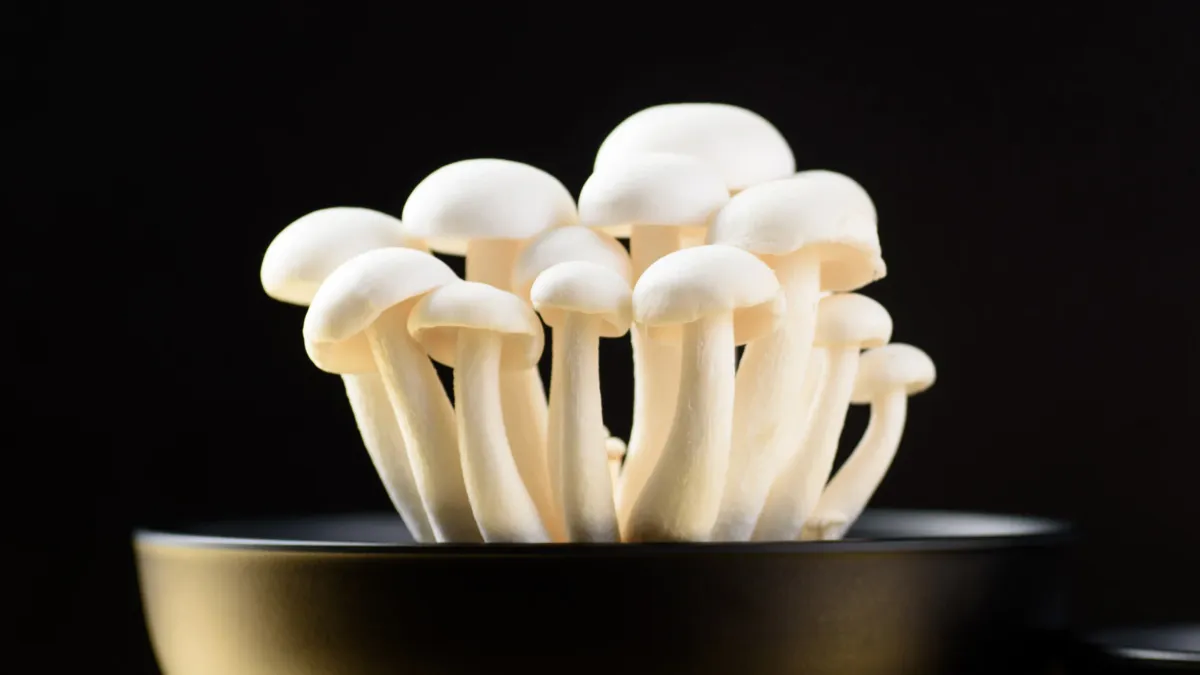
Adding 1 Mushroom-Derived Molecule to Salt Can Make It Taste 71% Saltier - ScienceAlert
You taste a bowl of soup and reach for the salt. A little more might bring the flavor together. But what if the same amount of salt could deliver a stronger salty taste? Scientists in China have found three tiny fragments of mushroom proteins that did just that in laboratory tests. Added to salt solutions, the molecules made them taste saltier, with the strongest increasing perceived saltiness by about 71 percent. The discovery could help researchers develop seasonings that preserve salty flavor while allowing less sodium. The study in npj Science of Food, led by researchers at Gannan Medical University and Shanxi Medical University, tested peptides from the edible beech mushroom (Hypsizygus marmoreus). Peptides are short chains of amino acids, the building blocks of proteins. Some have tastes of their own, including umami, the savory quality associated with mushrooms and other foods. Certain umami peptides can also strengthen the perception of saltiness. That makes them interesting candidates for a familiar problem: reducing salt can change the taste of food, making a healthier formulation harder to enjoy.
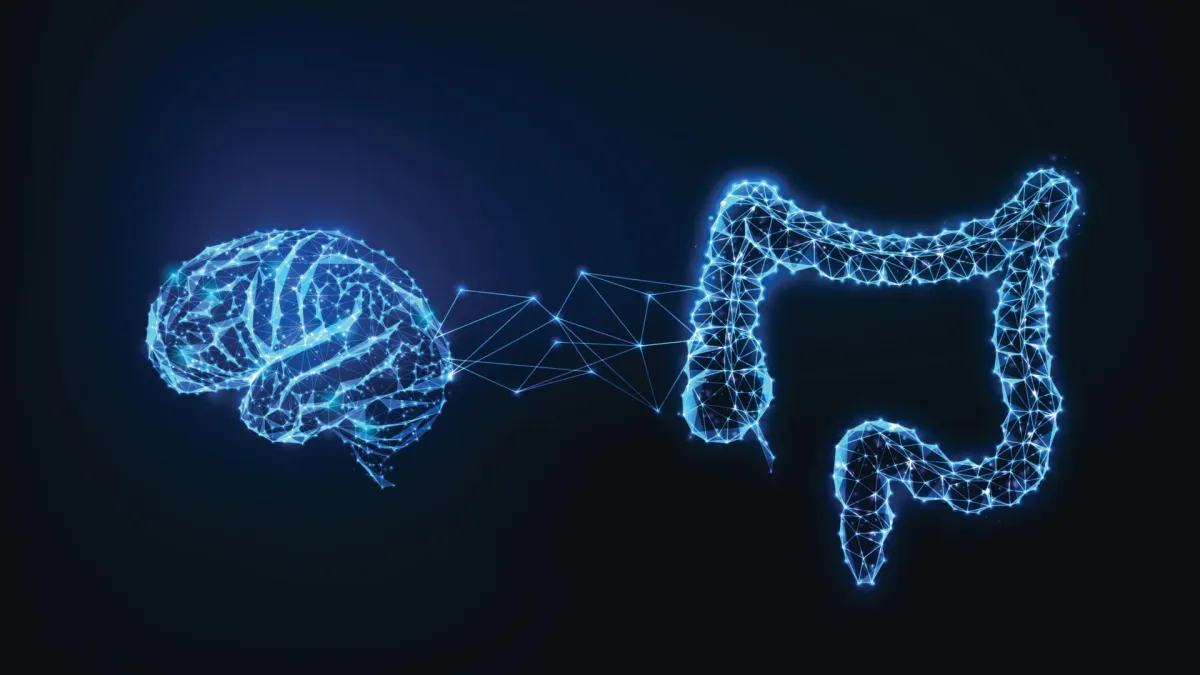
Your gut may be making a molecule that raises Alzheimer’s risk - Science Daily
A molecule made by bacteria in the digestive system may increase the risk of Alzheimer's disease and accelerate cognitive decline in people with dementia, according to new research. The finding could point scientists toward a potential treatment strategy aimed at lowering Alzheimer's risk. Nearly a decade ago, a research team led by University of Wisconsin-Madison professors Barbara Bendlin and Federico Rey found that the mix of microorganisms living in the intestines differs between people with Alzheimer's disease and healthy individuals.
0 comments
No comments yet. Be the first to share your thoughts!