A meteor hit Oklahoma 100 million years later than scientists thought - Science Daily
This story deserves to be shared
Send it to someone who'd care, or post it on your networks.

Researchers at The University of Texas at Austin have revised a key piece of Oklahoma's geologic history, with possible implications for how scientists interpret major events in the history of life on Earth.
Beneath the town of Ames, Oklahoma, lies a meteor impact structure that stretches for miles underground. Layers of sediment now cover the crater, but it remains significant both scientifically and economically. The Ames impact structure is also a major producer of oil and gas.
This article is an excerpt. To read the full content, visit the original source. Science Daily
Related articles
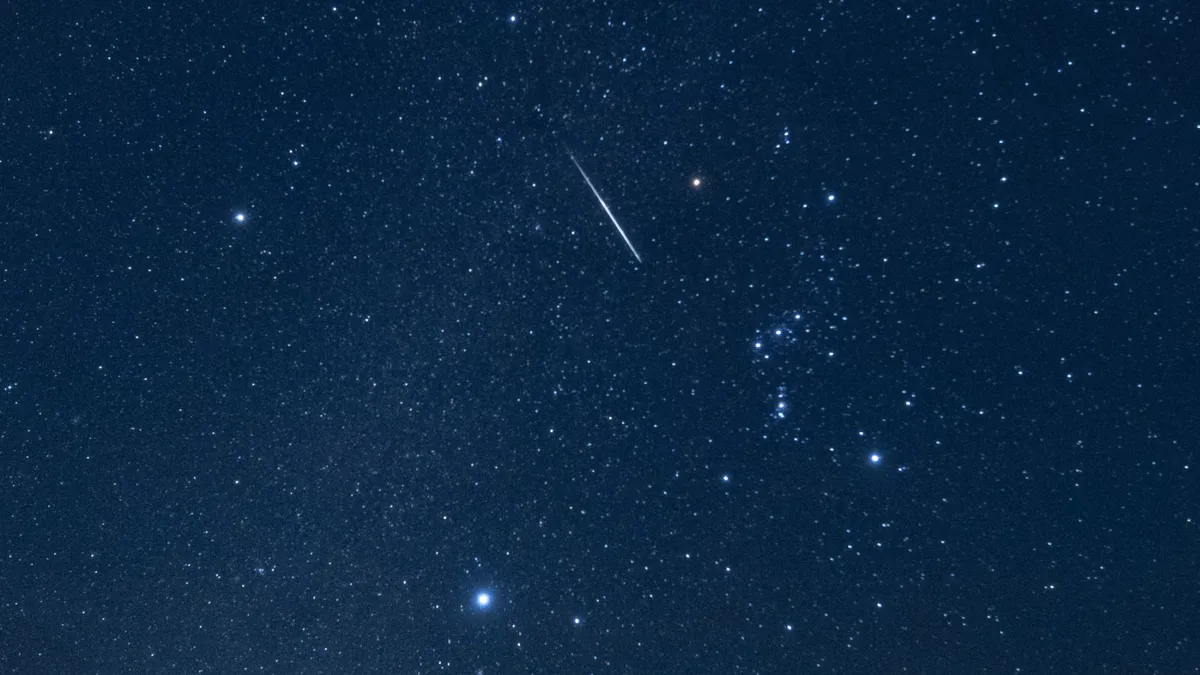
The Orionid meteor shower peaks next week! Here's what to expect - Space
The Orionid meteor shower peaks overnight on Oct. 21-22, bringing a spectacular display of shooting stars to the autumn sky.
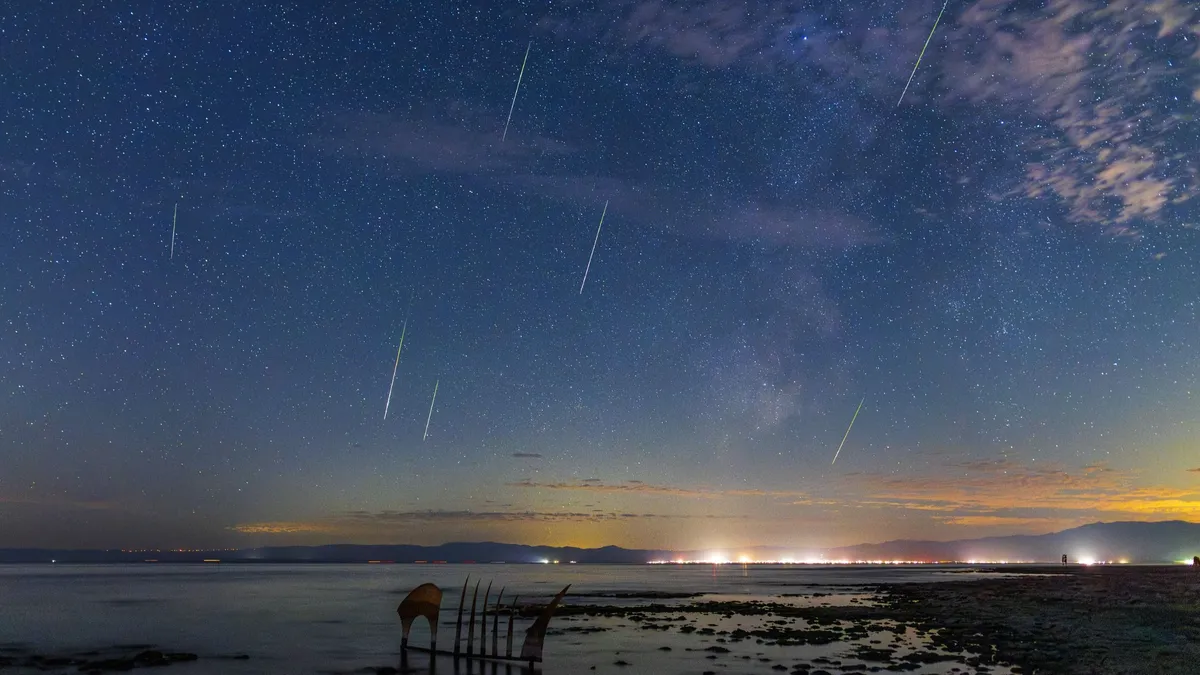
How to see the Orionid meteor shower 2026 peak this week — and when to look - Space
The Orionids peak around Oct. 21. Here's when and where to look for the best chance of spotting meteors.
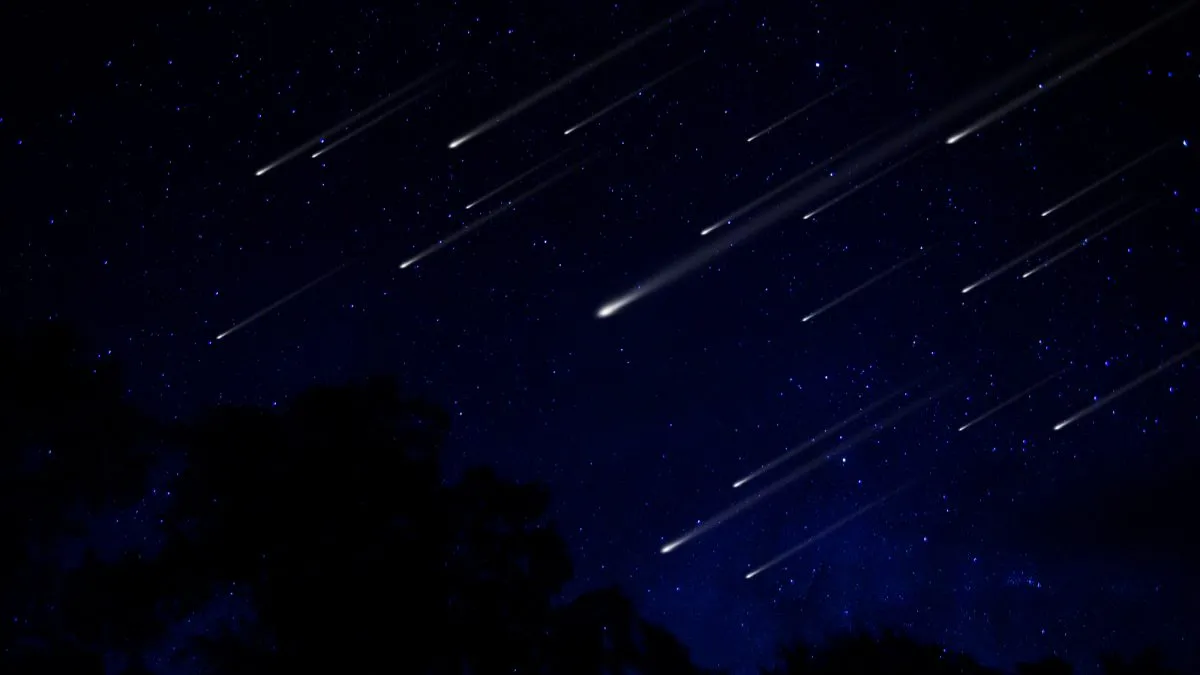
Orionid meteor shower peaks next week over Wood Buffalo - play 103.7
FORT MCMURRAY — There is just one week to go until the peak of the Orionid meteor shower. Wood Buffalo skywatchers could see some of the fastest meteors of the year streaking across the predawn sky. The Orionids peak overnight Oct. 21 and 22 and can produce up to 20 meteors per hour under dark, favourable conditions. The shower is active from Oct. 2 through Nov. 7. The meteors are comprised of debris left behind by Halley’s Comet, which last passed by in 1986. As Earth passes through the comet’s debris stream each October, the particles strike the atmosphere at about 68 kilometres per second. Richard Covey, a an amateur astronomer, published astrophotographer and member of the Royal Astronomical Society of Canada, says the Orionids are especially appealing because of their speed and their connection to one of astronomy’s best-known comets. “You’re literally watching tiny pieces of Halley’s Comet burn up in the atmosphere. They’re moving incredibly fast, so the Orionids can produce some very sharp, impressive streaks across the sky.”Moonlight will make this year’s peak more challenging. The Moon will be bright around Oct.

Ancient mud reveals a surprising secret about Greenland’s ice - Earth.com
Mud from a fjord shows an Atlantic air pattern brought wetter, colder spells to southern Greenland, a clue to how its ice may fare. Greenland’s ice is shrinking as the planet warms. But in the island’s southwest, rainfall and snowfall have been influenced by the same North Atlantic air-pressure pattern for at least 5,000 years. When that pattern tipped one way, the region turned wetter and colder. The record comes from mud on the floor of a Greenland fjord, and it suggests snowfall, not only temperature, shaped how the area’s ice grew and shrank. It doesn’t yet show how glaciers there will respond to the warming ahead. Johan Faust, a researcher at MARUM, the Center for Marine Environmental Sciences at the University of Bremen in Germany, led the work with colleagues in Germany, Norway, Denmark and Canada. A seesaw in the airThe pattern is called the North Atlantic Oscillation. It’s the difference in air pressure between a low that sits near Iceland and a high near the Azores, and it’s strongest in winter. When that difference is large, the pattern is in its positive phase. Northwestern Europe and southwestern Greenland both get more rain and snow.
0 comments
No comments yet. Be the first to share your thoughts!