A Hidden Pattern in Your Saliva Can Predict Risk of Colorectal Cancer, Study Finds - ScienceAlert
This story deserves to be shared
Send it to someone who'd care, or post it on your networks.
This article is an excerpt. To read the full content, visit the original source. ScienceAlert
Related articles

Colorectal cancer is rising in young people and often found too late - Science Daily
New research suggests that advanced colorectal cancer is becoming more common in young patients, raising concerns that warning signs may be missed or recognized too late. The findings were presented at the American Academy of Pediatrics 2026 National Conference & Exhibition Oct. 2-6, 2026, at the San Diego Convention Center. The study, "Clinical Presentation and Epidemiology of Pediatric and Adolescent Colorectal Carcinoma: A Pediatric Surgical Oncology Research Collaborative Study," reviewed the medical records of 84 patients age 21 or younger who were diagnosed with colorectal cancer between 2012 and 2023.
Mysterious 'space waves' could help scientists predict dangerous solar storm impacts on Earth - Yahoo News Canada
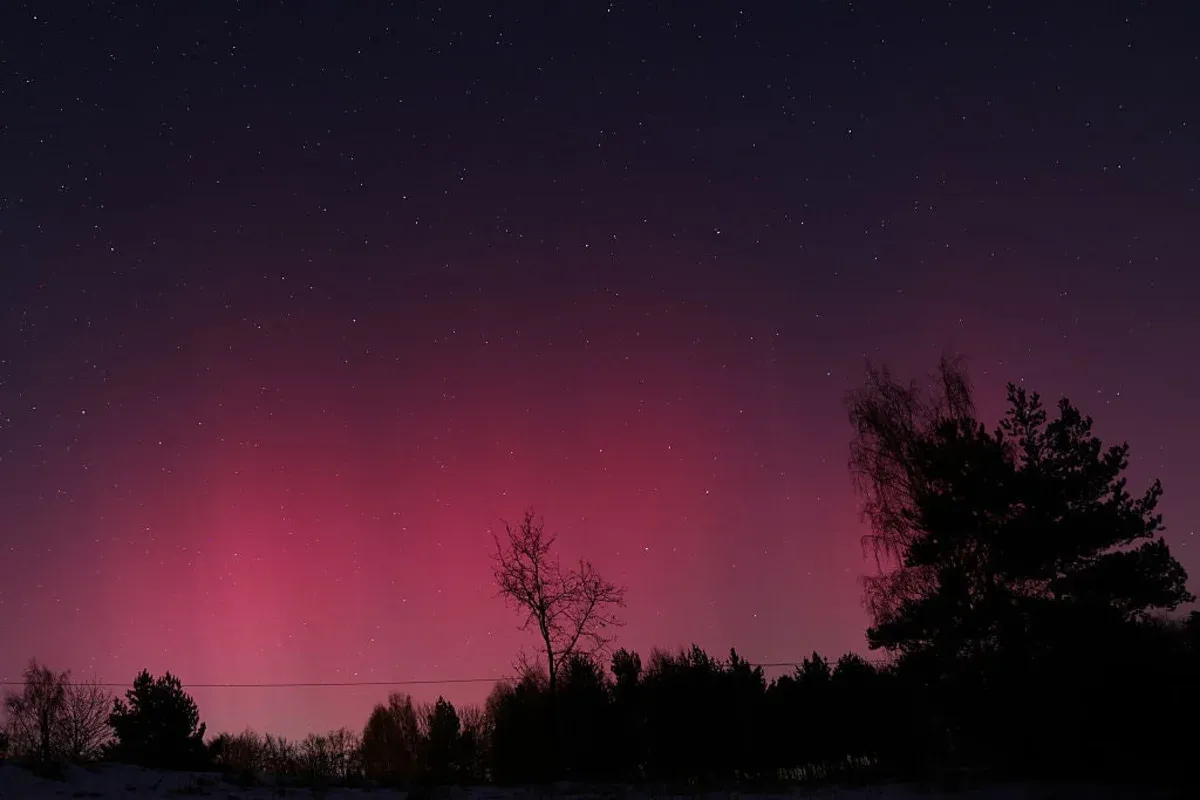
THE TAKEAWAYScientists found "space tsunamis" forming along the edge of Earth's magnetic shield. The waves shift location depending on the direction of the solar wind. The discovery could help scientists better understand and predict space weather threats to satellites, communications and power grids. Scientists say "space waves" rolling along the edge of Earth's magnetic shield could help researchers better understand where solar storms transfer energy into near-Earth space. The waves, known as Kelvin–Helmholtz waves, form where the fast-moving solar wind brushes past the outer boundary of Earth's magnetosphere. Northern lights are seen in Rudno, Poland on January 20, 2026. A new study led by researchers at the University of Oulu in Finland found that the waves do not form evenly around Earth. Instead, their strength and location depend on how the solar wind's magnetic field drapes around Earth's own magnetic field. Archaeologists In Turkey May Have Found The World's Oldest ShipwreckSimilar wave patterns can be seen in clouds and other cosmic environments, including the Sun's atmosphere and around other planets.
0 comments
No comments yet. Be the first to share your thoughts!