5 simple, science-backed activities that boost happiness - ASU News
This story deserves to be shared
Send it to someone who'd care, or post it on your networks.

Want to feel happier? That “treat yourself” self-care strategy may not help as much as you think. Happiness may be more about connecting with other people. “What a lot of research is now showing is that when we orient ourselves outwards to other people, that leads to greater increases in happiness,” says Katherine Nelson-Coffey, an associate professor of psychology in the School of Social and Behavioral Sciences, part of the New College of Interdisciplinary Arts and Sciences at Arizona State University. She says social connection is one of the strongest predictors of happiness and well-being — in the moment and over time. Activities that bring people together strengthen relationships and decrease loneliness, which boosts well-being. Students: Add some happiness to your class scheduleLooking to thrive while meeting your General Studies Gold requirements in spring 2027? Sign up for PSY 213: ABCs of Happiness. Psychology students can also take PSY 335: Positive Psychology and PSY 336: Flourishing Across Contexts. ASU also offers bachelor’s and master’s degrees in positive psychology — including online delivery options — as well as a graduate certificate.
This article is an excerpt. To read the full content, visit the original source. ASU News
Related articles
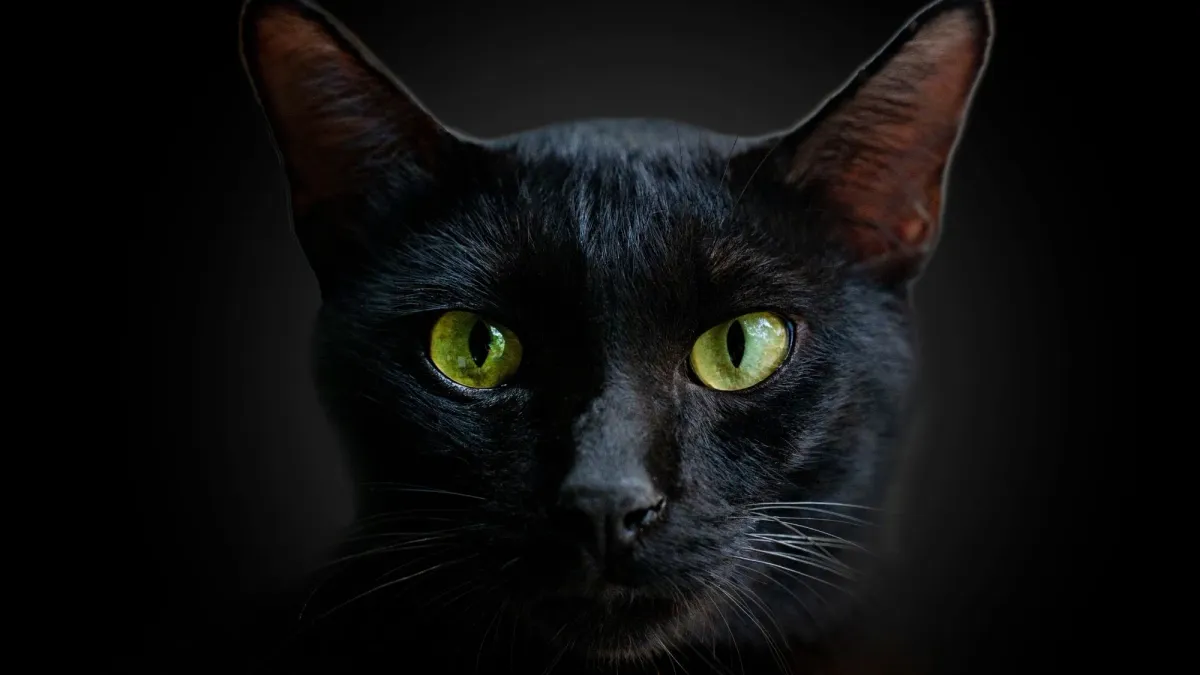
Scientists Just Found a Strange Link Between Cats and Happiness - VICE
Cat people have long been cast as lonely weirdos, devoted to an animal that would probably eat their face if they died on the kitchen floor. Now there’s research suggesting countries with more cats are also happier, so who’s the lonely weirdo now? A new study in PLOS One compared happiness scores across 93 countries with the number of cats living in each one. Countries with more cats generally reported higher happiness.
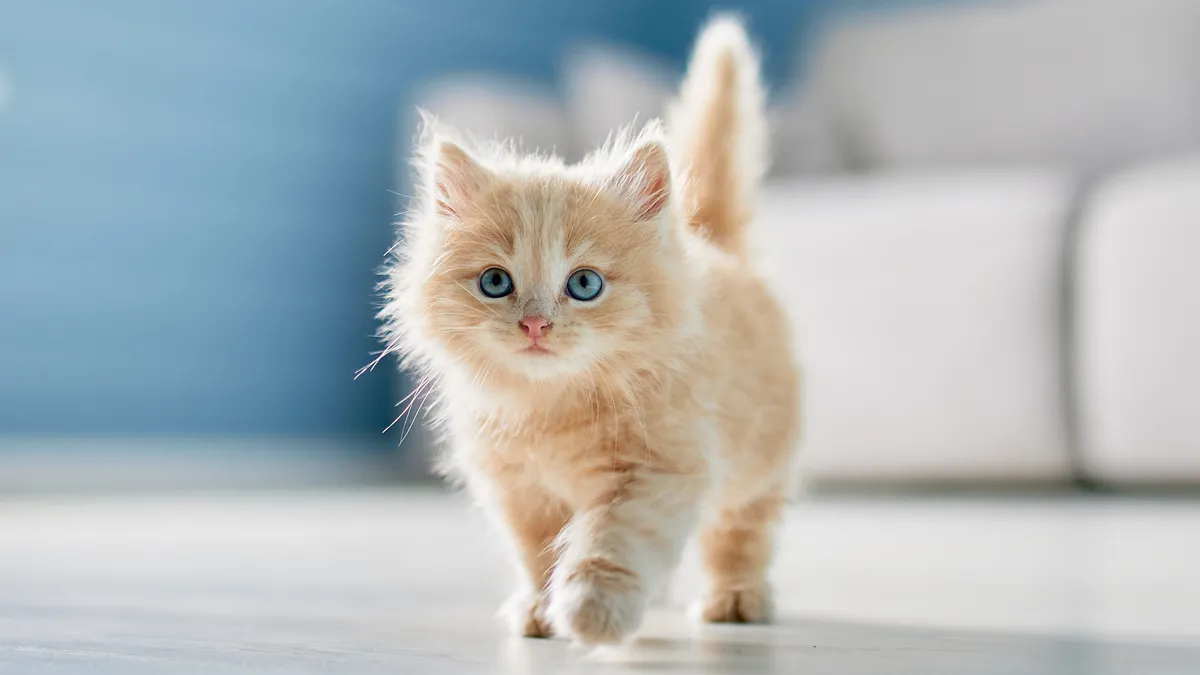
Scientists Find a Surprising Link Between Cats And Happiness Across 93 Countries - ScienceAlert
If you're looking for a boost of household happiness, then you might want to consider getting yourself a cat. In a new study published in PLOS One, an international team of researchers analyzed publicly available data across 93 countries to examine the relationship between happiness scores, domestic cat density, and infection rates of Toxoplasma gondii – the parasite that affects as many as 1 in 3 people and which felines are the primary host of. The researchers wanted to see if having a cat made a difference to happiness, and whether the risk of parasite infection affected that in any way. While T. gondii is usually harmless and symptomless for most people, it can cause problems in more vulnerable groups, and has been linked to anxiety, depression, and schizophrenia. Data from the shaded countries were used in the study. (Borráz-León et al., PLOS One, 2026)Wealth was also included as it's often one of the first factors people consider when it comes to leading a happy and comfortable life.

Ancient mud reveals a surprising secret about Greenland’s ice - Earth.com
Mud from a fjord shows an Atlantic air pattern brought wetter, colder spells to southern Greenland, a clue to how its ice may fare. Greenland’s ice is shrinking as the planet warms. But in the island’s southwest, rainfall and snowfall have been influenced by the same North Atlantic air-pressure pattern for at least 5,000 years. When that pattern tipped one way, the region turned wetter and colder. The record comes from mud on the floor of a Greenland fjord, and it suggests snowfall, not only temperature, shaped how the area’s ice grew and shrank. It doesn’t yet show how glaciers there will respond to the warming ahead. Johan Faust, a researcher at MARUM, the Center for Marine Environmental Sciences at the University of Bremen in Germany, led the work with colleagues in Germany, Norway, Denmark and Canada. A seesaw in the airThe pattern is called the North Atlantic Oscillation. It’s the difference in air pressure between a low that sits near Iceland and a high near the Azores, and it’s strongest in winter. When that difference is large, the pattern is in its positive phase. Northwestern Europe and southwestern Greenland both get more rain and snow.

Simulations explore nuclear mitigation of asteroid threats - Phys.org
Lawrence Livermore National Laboratory researcher Isaiah Santistevan led the development of three-dimensional simulations exploring how a nuclear device could deflect or disrupt an asteroid threatening Earth. Credit: Blaise Douros/LLNL Lawrence Livermore National Laboratory (LLNL) researchers are developing three-dimensional simulations to examine how a nuclear device could be used to deflect or potentially disrupt an asteroid threatening Earth.
0 comments
No comments yet. Be the first to share your thoughts!