17 therapist-approved tips for dealing with seasonal depression - Richmond News
This story deserves to be shared
Send it to someone who'd care, or post it on your networks.
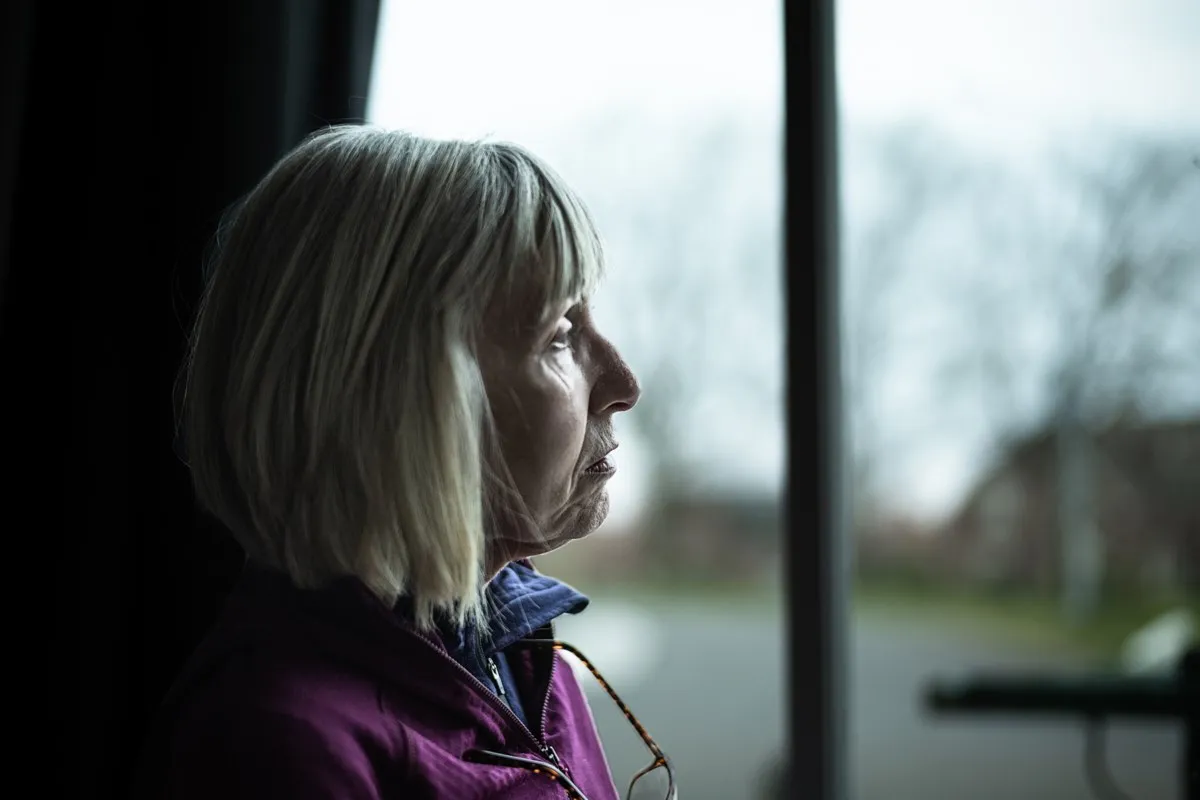
Seasonal depression often surfaces in the fall and winter, but therapists say proactive measures can significantly reduce the severity of symptoms.
Seasonal affective disorder (SAD) is brought on by the changing seasons. It can be an overwhelming, jarring type of depression. Most people, when first dealing with it, aren’t sure how to cope with seasonal depression. They begin feeling sapped of energy and interest during the fall, and their condition continues to worsen as winter progresses. The depressive symptoms typically self-resolve during the springtime and remain minimal throughout the summer months. It is also important to remember that winter depression or winter blues is a lesser form of SAD.
This article is an excerpt. To read the full content, visit the original source. Richmond News
Related articles

14 Ways to Ease Seasonal Depression - Everyday Health
1. Talk With Your Doctor or Healthcare ProviderBecause SAD is a form of depression, it needs to be addressed by a mental health professional. “There are a number of screening questions that can help determine if someone is depressed,” says Deborah Pierce, MD, a family medicine physician at University of Rochester Medicine in New York. “Your doctor will be able to sort out whether you have SAD as opposed to some other form of depression.” If you have SAD, a professional can help you identify the condition and work through it. Psychotherapy (aka talk therapy), including cognitive behavioral therapy (CBT), can effectively treat SAD. Therapy can help you learn new ways to cope and change thinking and behavioral patterns that exacerbate depression symptoms.2. Ready Yourself in the FallPreparation for the summer-to-fall transition isn’t limited to wardrobe updates or getting your home ready for the new season — consider preparing your mind, too. Regularly allotting time for mood-boosting activities can help people feel physically and psychologically healthier, says Kim Burgess, PhD, a clinical psychologist at Naval Health Clinic Quantico in Virginia.

Continuous glucose monitors help type 2 diabetes patients spend 5 more hours a day in healthy blood sugar range - Medical Xpress
Continuous glucose monitors (CGMs) could transform diabetes management for millions of Americans with type 2 diabetes who don't take insulin, according to findings published in the New England Journal of Medicine. The clinical trial found that adults using CGMs spent approximately five additional hours each day within their target blood sugar range compared with those receiving routine care. Nearly twice as many CGM users also achieved an A1c level below 7%, a common treatment goal for people with diabetes.
0 comments
No comments yet. Be the first to share your thoughts!